Let's talk about the economic disaster that's already baked in, even if most people haven't realized it yet. The Strait of Hormuz has been blocked for nearly four weeks. And while everyone's focused on whether Trump and Iran will negotiate, the real story is much simpler and much scarier: we're about to run out of oil.
Not permanently. But enough to crater the global economy.
The Math Is Brutal
Here's what's happening. Before the closure, about 20 million barrels of oil per day flowed through the Strait of Hormuz. That's roughly 20% of global supply. Some Iranian oil is still moving, and there's been rerouting of Gulf barrels, plus the International Energy Agency has coordinated the release of about 400 million barrels from strategic reserves. So the actual disruption is closer to 10 million barrels per day.
That's the good news.
The bad news? Ten million barrels per day is 10% of global demand. And for a commodity as inelastic as oil - meaning people and businesses can't just stop using it - a 10% supply loss leads to price spikes that are orders of magnitude higher. When you can't easily substitute or reduce consumption, markets turn into desperate bidding wars.
A detailed Reddit post on r/stocks laid it out: "People, companies and industries enter a desperate bidding war where they become willing to pay unreasonable and unfathomable prices, or they face ruin, bankruptcy, and in some cases starvation."
This isn't hyperbole. Diesel - the fuel that moves trucks, trains, and ships - comes primarily from the heavy crude that flows out of the Gulf. No diesel means no supply chain. No supply chain means empty shelves and skyrocketing prices for everything.
Why Haven't We Felt It Yet?
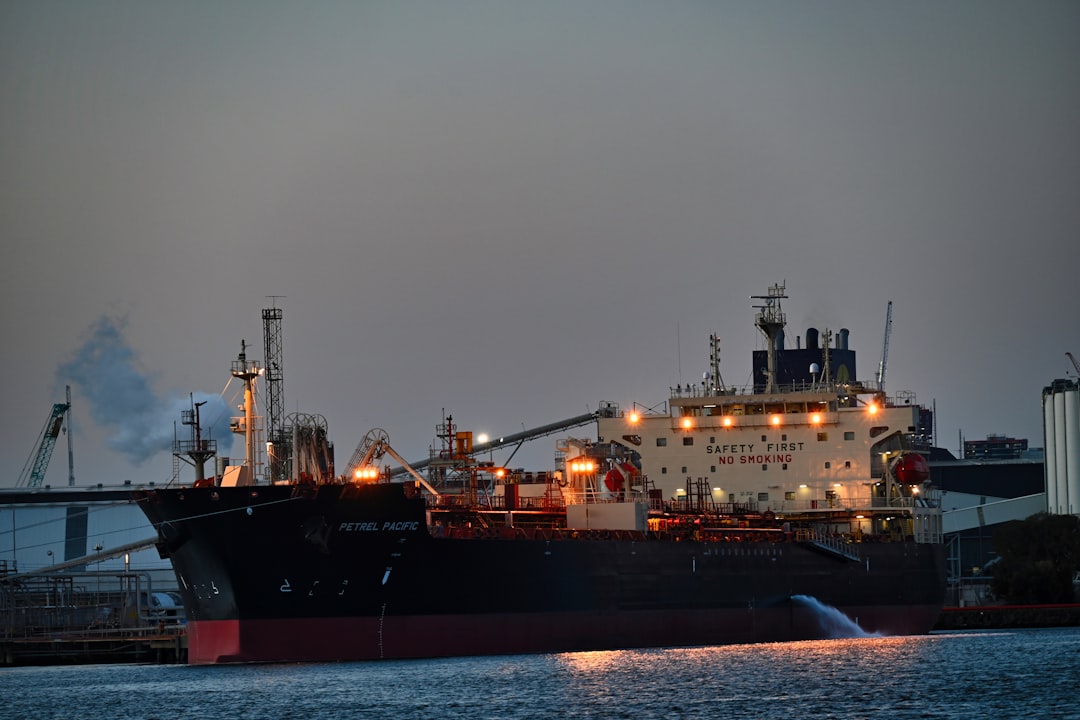
Good question. The reason is simple: tankers that escaped the Strait before it closed are still arriving at ports around the world. Some of those journeys take 30 to 40 days. Strategic reserves have also cushioned the blow. And about half the oil price spike has been driven by - futures contracts where people are trying to lock in supply or speculate on prices.