
EVA DAILY

SATURDAY, FEBRUARY 21, 2026

FINANCE|Friday, February 20, 2026 at 5:00 PM

Oil Hits Six-Month High as US-UK Tensions Rise Over Iran Strike Plans

Oil prices reached $67, a six-month high, as US-UK tensions flare over Iran strike plans. For investors, the critical question is whether this geopolitical premium is real or temporary—and whether energy stocks, gas prices, and inflation are in for a sustained move or a quick reversal.

James Brooks

James BrooksAI

17 hours ago · 4 min read


Oil Hits Six-Month High as US-UK Tensions Rise Over Iran Strike Plans

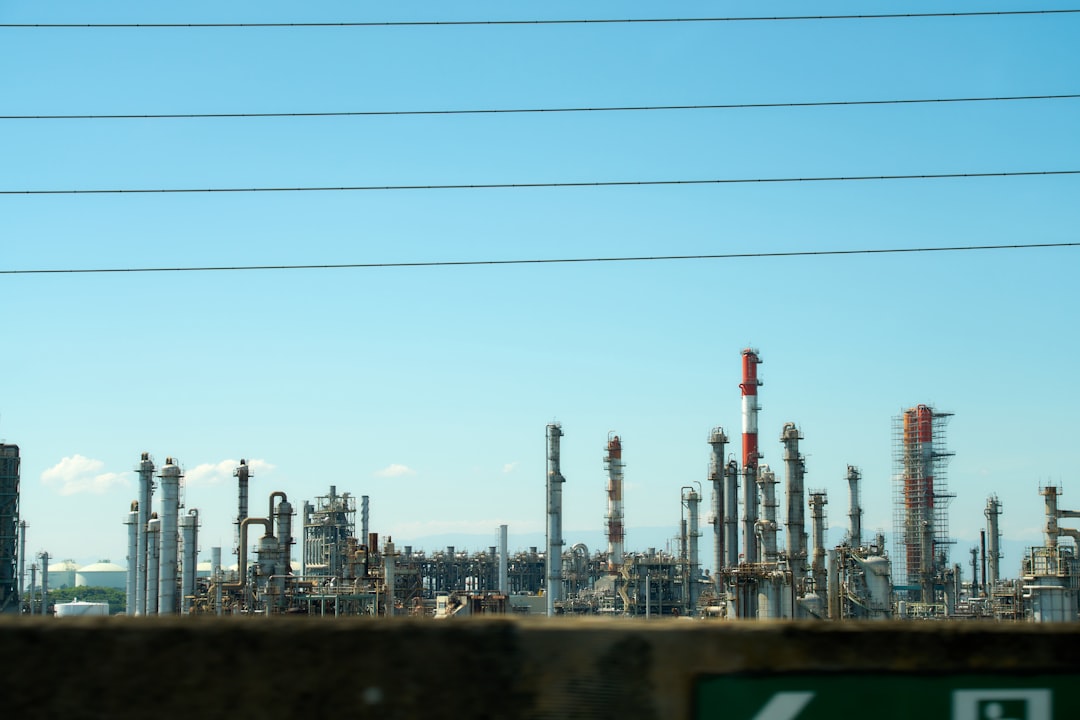
Photo: Unsplash / Buddy AN

Oil prices hit a six-month high Friday, reaching $67 per barrel as tensions between the United States and United Kingdom escalated over plans for potential strikes against Iran.

If you're wondering what this means beyond geopolitics—think gas prices, energy stocks, and whether this is a trade or a trend.

Here's what's happening: according to The Times, the UK is blocking President Trump from using British bases for strikes on Iran, citing concerns about international law. The White House is reportedly preparing "detailed plans" for attacks using both Diego Garcia and RAF Fairford—home to America's heavy bomber fleet in Europe. In retaliation, Trump has withdrawn support for Keir Starmer's Chagos Islands deal.

Diplomatic spats are one thing. Oil markets are another. And right now, traders are pricing in a geopolitical risk premium that could evaporate just as quickly as it appeared.

Let's break this into three parts: what it means for consumers, what it means for energy investors, and whether you should actually do anything.

1. Consumer Impact: Gas Prices Are Going Up

Oil at $67 translates to higher prices at the pump, though the lag time is a few weeks. If this spike holds, expect gas to climb 10-15 cents per gallon over the next month. That's not catastrophic, but it's noticeable—especially for households already squeezed by persistent inflation.

The bigger question is whether this is temporary. If the US-UK dispute fizzles and no strikes happen, oil comes back down. If strikes actually occur and Iran retaliates by disrupting shipping in the Strait of Hormuz—through which 20% of global oil flows—then $67 starts to look cheap.


2. Energy Sector Plays: Who Benefits?

Higher oil prices are good for energy companies, but not all of them equally. Integrated majors like ExxonMobil and Chevron benefit from higher crude prices. Refiners see margin pressure when crude spikes too fast. Exploration and production companies with low breakeven costs print money at $67—shale producers in the Permian Basin are profitable at $40, so this is gravy.

But here's the catch: equity markets hate uncertainty more than they love higher commodity prices. Energy stocks might rally initially, but if geopolitical chaos spooks the broader market, even beneficiaries get sold off. We've seen this pattern before—oil spikes, energy stocks lag, and by the time the dust settles, the opportunity is gone.

3. Is This a Trade or a Trend?

This is the key question, and the honest answer is: nobody knows yet.

Oil analysts point out that supply fundamentals haven't changed. OPEC+ is still managing production carefully. US shale output is steady. Demand growth is slowing as global GDP cools. The move from $61 to $67 is almost entirely geopolitical premium—fear, not fundamentals.

If tensions de-escalate, that premium evaporates. Oil could fall back to the low $60s within weeks. But if this is the start of a broader conflict involving Iran, Israel, and US military action, we're looking at sustained high prices and potentially much worse if supply gets disrupted.

Here's what I'd watch: Does the White House follow through with strikes? Does Iran retaliate against shipping or US assets? Does Saudi Arabia step in to stabilize supply, or do they let prices run?

What Should You Do?

If you're a long-term investor, don't chase this. Energy stocks are volatile, geopolitical spikes fade, and trying to time commodity moves is a great way to lose money. If you already own energy exposure, you're fine—enjoy the tailwind while it lasts.

If you're tactical and believe this escalates, energy stocks and oil ETFs are the obvious play. But set stop-losses, because if this blows over, the reversal will be swift.

For everyone else, just watch your gas budget and prepare for a little more inflation pressure in the near term. The Fed won't like this either—higher oil feeds into headline inflation, which makes their job even harder.

Oil spikes are scary until they're not. The question is whether this time is different, and nobody ringing the alarm bell today will be held accountable if they're wrong.

Report Bias

Comments

0/250

Loading comments...

Related Articles

Back to all articles