Oil prices jumped 4-5% in immediate response to President Trump's speech about the ongoing Iran conflict, and if you're wondering what that means for your wallet, the short answer is: nothing good.
Gas prices are about to climb. Heating costs will follow. And if this spike holds, it'll ripple through the entire economy.
What Happened
WTI crude spiked 3% instantly after Trump's remarks, while Brent crude jumped 4%. By the time markets digested the speech, both benchmarks were up closer to 4-5%. That's a massive single-day move driven entirely by geopolitical risk.
Trump's speech made it clear that U.S. involvement in the Iran war isn't winding down anytime soon. Markets had been hoping for de-escalation. Instead, they got confirmation that tensions will continue, which means oil supply risk remains elevated.
Why Oil Prices Spike During Wars
Here's the simple version: Iran controls the Strait of Hormuz, through which about 21% of the world's oil passes. Any disruption there, whether actual or perceived, sends prices soaring because traders price in the risk of supply cuts.
Even if the strait stays open, war means uncertainty. Uncertainty means traders buy oil futures as a hedge. That drives up prices, which gets passed on to consumers at the pump.
How This Hits Your Budget
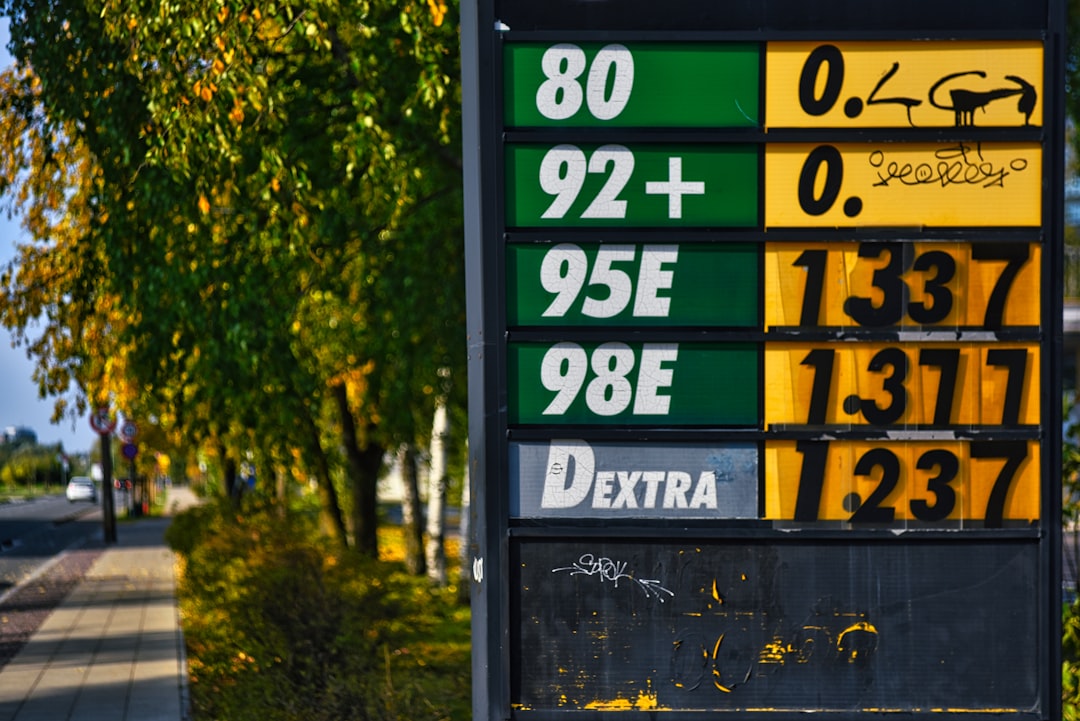
A 5% spike in crude oil translates to roughly 10-15 cents per gallon at the pump within a week or two. If oil stays elevated, you're looking at sustained higher gas prices through the spring and summer driving season.
Heating oil prices move in tandem, so if you're in the Northeast and still running your furnace, expect your bills to creep up. And because oil prices affect transportation costs, everything that gets shipped (which is everything) will get marginally more expensive.