Oil prices dropped Wednesday after Donald Trump said Washington was negotiating with Tehran, but Iran immediately denied direct talks—leaving traders to parse mixed signals on whether tensions are actually easing or this is just diplomatic theater.
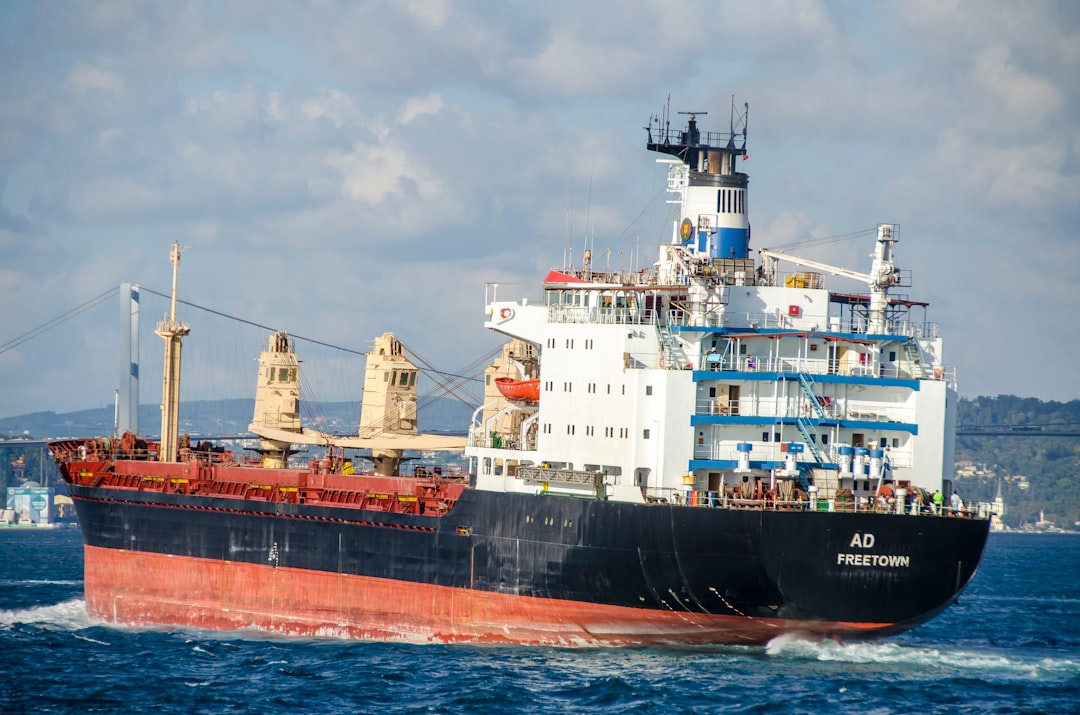
The key development: Iran signaled that "non-hostile" ships would have safe passage through the Strait of Hormuz, the chokepoint that handles about 20% of global oil supplies. That was enough to knock crude prices down, but the qualifier—"non-hostile"—leaves plenty of room for interpretation.
Goldman Sachs said crude prices are "trading on geopolitical risk" as Middle East supply fears remain elevated. Translation: the fundamentals haven't changed much, but the market is reacting to headlines because nobody knows what happens next.
For investors, the question is whether this is a real de-escalation or just a temporary lull. If Iran genuinely backs off and keeps Hormuz open, oil prices could keep falling as the risk premium fades. If this is posturing while both sides prepare for the next round, prices could spike again just as quickly.
The Strait of Hormuz is the world's most important energy chokepoint. When it's threatened, oil prices jump. When it's open, they fall. Right now, it's sort of open—depending on who you ask and what "non-hostile" means.
For consumers, lower oil prices mean cheaper gas and relief at the pump. For energy investors, it means the risk premium that was propping up oil stocks just took a hit. If you were betting on prolonged conflict keeping prices high, this is a reminder that geopolitical trades can reverse fast.
Bottom line: Iran's signal is good news if it holds. But until we see actual ships moving through Hormuz without incident, this is still a headline-driven market, and headlines can change fast.