Oil prices surged above $120 a barrel on Wednesday after reports emerged that the United States is preparing for an extended blockade of Iran, with no end in sight to the crisis choking off a critical artery of global energy supply.
Brent crude, the global benchmark, briefly hit $122 before settling around $120 - the highest level since 2022. If you're wondering what this means for your wallet, here's the short version: your gas bill isn't getting cheaper anytime soon.
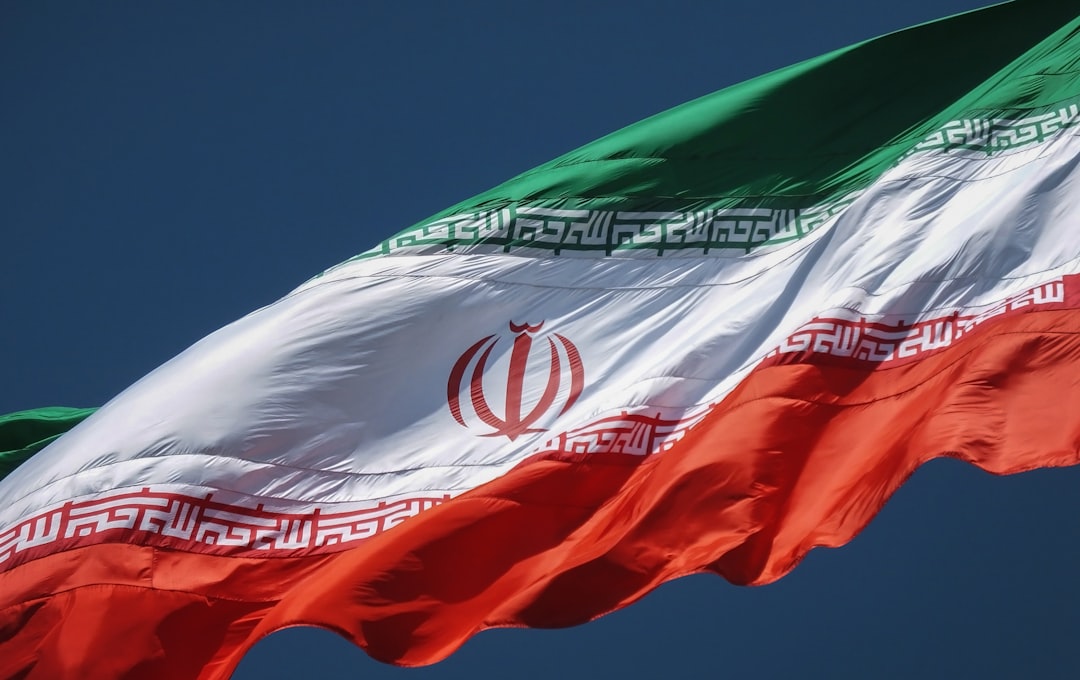
The spike came after the Wall Street Journal reported that President Donald Trump has instructed aides to prepare for an extended blockade of Iranian ports, effectively shutting down the Strait of Hormuz. That narrow waterway is responsible for about 20% of the world's oil supply on a normal day. Right now, it's barely functioning.
Energy executives, including Mike Wirth, the CEO of Chevron, met with Trump at the White House on Tuesday to discuss how to "limit the fallout" on American consumers. The fact that the meeting happened at all tells you everything you need to know about how worried the administration is.
Oil traders took the meeting as confirmation that the blockade - which has already pushed prices up significantly - will continue for months, not weeks. And Iran has made clear it will keep disrupting traffic through the strait in retaliation.
Here's what matters for regular people: gas prices are going up, and there's no quick fix. The World Bank warned Tuesday that energy prices could surge 24% in 2026 to their highest level since Russia invaded Ukraine - and that's assuming the Iran situation resolves by May. Every day that passes without a deal makes that forecast look optimistic.
Lindsay James, an investment strategist at Quilter, put it bluntly: "The impact so far in the UK has been largely limited to higher petrol and diesel prices, but every day that passes without a resumption of supply sees the risk of physical shortages and steeper price rises on a range of goods increasing."