Oil briefly touched $119 a barrel on Wednesday after Iran struck a gas facility in Qatar, and if you're wondering what that means for your wallet, here's the short version: fill up your tank now, because it's about to get expensive.
Brent crude spiked to $119 before pulling back slightly after Israeli Prime Minister Benjamin Netanyahu said Israel would help open the Strait of Hormuz - the critical shipping lane that carries about a fifth of the world's oil. But even with that assurance, oil markets are jittery, and for good reason.
Here's the immediate impact:
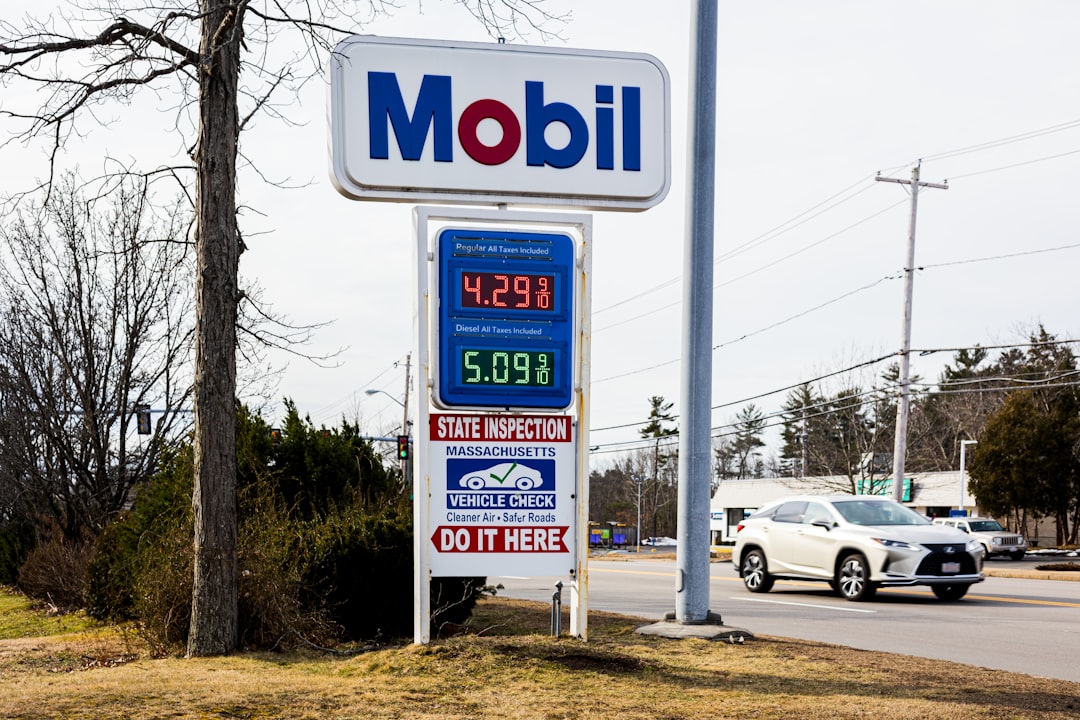
Gas prices at the pump typically lag oil prices by about two weeks. So even if crude retreats from here, you're still looking at higher prices at your local gas station through early April. The national average was already climbing before this latest spike - add another 20 to 30 cents per gallon over the next few weeks, and you're looking at painful fill-ups.
But the bigger issue is what this does to inflation and the Federal Reserve's thinking. Just when it looked like the Fed might start considering rate cuts later this year, energy prices are spiking again. Higher gas prices flow through to everything - shipping costs, food prices, basically anything that moves by truck.
For investors, here's what matters:
Energy stocks are having a moment. If you own positions in oil producers or energy ETFs, you're probably in the green. But the flip side is that rising oil prices are bad news for consumer discretionary stocks - people who are spending more at the pump have less to spend at Target or on vacation.
The Fed is in a tough spot. Inflation was finally cooling, but a sustained oil shock changes the equation. That means those 5% yields on money market funds and high-yield savings accounts aren't going anywhere anytime soon. If you've been waiting for mortgage rates to come down, this doesn't help.
What about the geopolitical risk?
The Strait of Hormuz is the world's most important oil chokepoint. If it actually closes - even temporarily - you're looking at oil prices that make $119 look cheap. Markets are pricing in some risk premium now, but not full closure. That's the real tail risk here.