Wall Street is bracing for a brutal Monday as oil prices surged past $110 per barrel and Dow Jones futures plummeted 800 points overnight, marking the steepest drop since the pandemic's early days. The catalyst: an escalating Iran crisis that's choking off global energy supplies and threatening to tip the world economy into recession.
Brent crude experienced its largest weekly surge in six years, climbing 30% to approach the psychologically critical $100 threshold. Regional benchmarks told an even starker story: Abu Dhabi's Murban closed at $103 per barrel, Oman crude hit $107, and Chinese futures touched $109.
The Strait of Hormuz blockade—which typically handles 20% of global oil and LNG flows—has created what energy analyst Daniel Yergin, vice chair of S&P Global, calls "the biggest disruption in oil production in history." That's not hyperbole. Iraq's output has collapsed 60%, plummeting from 4.3 million barrels daily to just 1.7-1.8 million. Kuwait and the United Arab Emirates are cutting production as storage facilities reach capacity. Qatar has throttled LNG output.
The numbers don't lie: spot prices in Asia have nearly doubled since the conflict began. European natural gas prices jumped roughly 50%. And this is before we see the full cascading effects through supply chains, manufacturing costs, and consumer spending.
Yergin describes the core fear as "skyrocketing energy prices that send the world economy plummeting into a deep recession"—precisely the scenario Iran appears intent on creating. According to analyst Stefano Grasso, "Every additional day of disruption adds pressure, and in that scenario there is effectively no ceiling to prices in the short term."
Equity markets are pricing in the nightmare. Energy stocks are rallying while tech stocks—which drove the bull market for years—are getting crushed. The rotation from growth to value is happening at warp speed, and institutional investors are scrambling to reposition portfolios built for an era of cheap energy and low inflation.
The most concerning scenario, according to Yergin, involves "severe damage to infrastructure and a lengthy closure of the strait," which would fuel persistent supply shortage fears and send prices into uncharted territory. Current prices in the $90s to $110 range "are far from the worst-case scenario," he notes.
For context, this disruption dwarfs the 1970s oil shocks that triggered stagflation and reshaped the global economic order. The market is starting to price in that possibility. Futures traders are betting the Federal Reserve will have to choose between fighting inflation with higher rates or supporting growth—and neither option looks good when oil is north of $100.
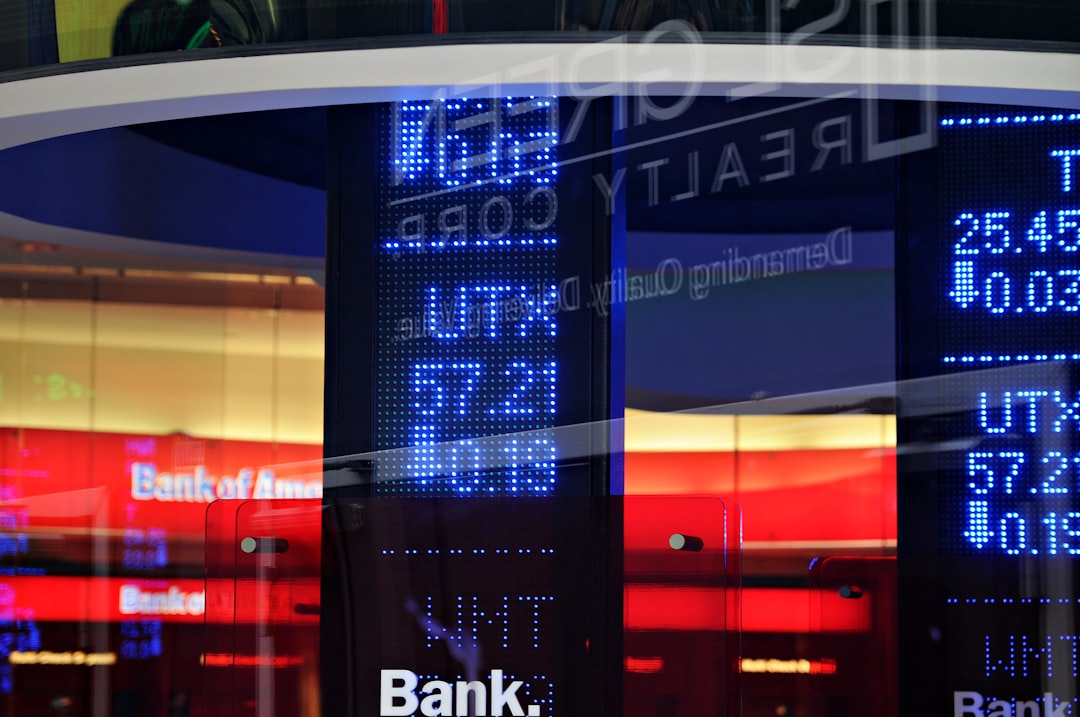
The financial damage is already measurable. Dow futures down 800 points represents roughly a 2% decline before markets even open. Asian markets tanked first, with major indices dropping 6-7% overnight as the region—heavily dependent on Middle East energy imports—absorbed the shock.
What happens next depends on whether the Strait of Hormuz reopens and how quickly production can recover. But with tankers avoiding the waterway and storage reaching capacity, the physical constraints are creating a price spiral that fundamentals alone can't explain. Speculation is amplifying the move, and that creates its own risks.
Wall Street's mantra has always been "don't fight the Fed." But when geopolitics shuts down 20% of global oil supply, the Fed's tools look inadequate. Jerome Powell can't print barrels of crude. And that's what has traders hitting the sell button.