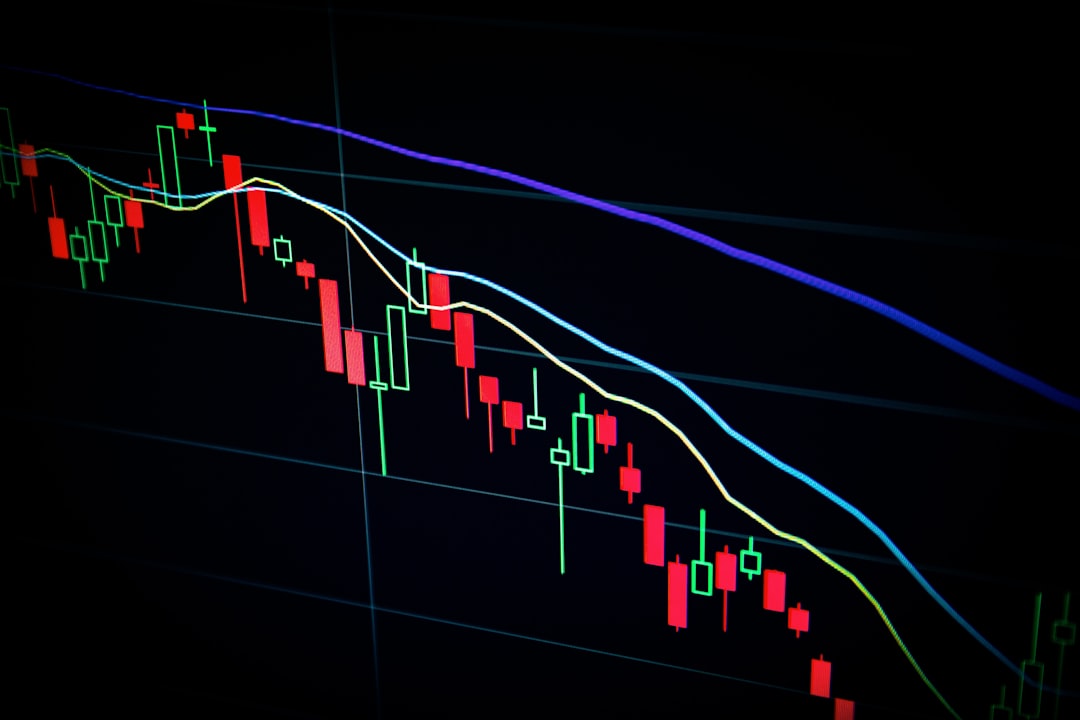

Something unusual happened on Monday. Oil crossed $118 a barrel and kept climbing. Gold dropped 1.2%, shedding $56 in a single session. Same day. Opposite directions.
That's not how it's supposed to work.
Typically, when geopolitical tensions spike, both oil and gold rally together. Oil goes up because of supply disruption fears. Gold goes up because it's a safe haven. They're both hedges against chaos, just in different ways.
When they diverge like this, the market is telling you something important about what kind of risk it's actually worried about.
Here's what the split means:
Gold dropping says inflation expectations are pulling back. That might sound counterintuitive with oil spiking, but gold trades on long-term inflation and rate expectations, not just today's headline. If traders think the Federal Reserve is going to keep rates high, or even raise them further to fight any oil-driven inflation, gold gets hit. It doesn't pay interest, so higher rates make it less attractive.
Oil spiking says physical supply disruption is getting worse, not better. This isn't about inflation expectations or monetary policy. This is about ships not being able to get through the Strait of Hormuz, and the market pricing in the possibility that this situation doesn't resolve quickly.
According to a Reddit post citing industry sources, Baker Hughes said last week the Strait could stay closed through August minimum. Exxon's CEO reportedly said Friday the market hasn't absorbed the full impact yet. And military logistics, like aerial refueling tanker deployments, suggest the U.S. is preparing for sustained operations, not a quick show of force.
So what does this mean for your portfolio?
If you're positioned in GLD or IAU expecting a straight safe-haven rally, today was a reality check. Gold isn't just reacting to war headlines anymore. It's reacting to the type of disruption and what that means for rates.