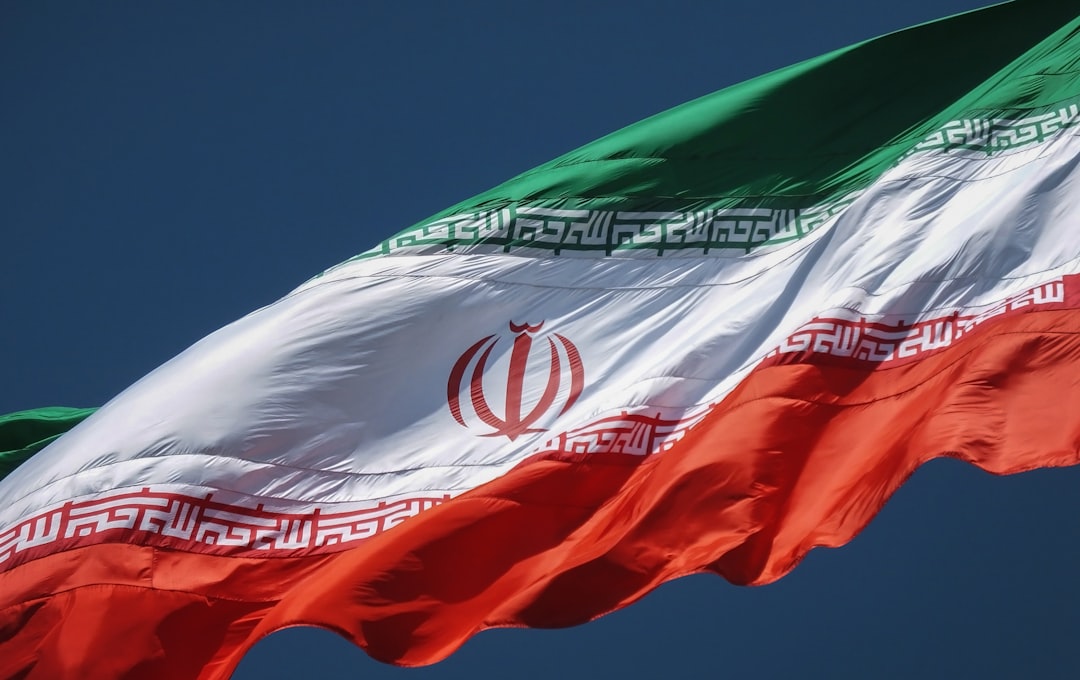

Crude oil is trading at $98 a barrel. Gas is over $6 in half the country. The Strait of Hormuz is still disrupted. Trump rejected Iran's latest peace proposal. And somehow, the S&P 500 closed at an all-time high on Friday for the sixth week in a row.
If that doesn't sound like a disconnect, I don't know what does. Amrita Sen from Energy Aspects went on CNBC last week and called this "extremely misplaced euphoria." She said we're sleepwalking into a recession. Morgan Stanley's chief Europe economist said we're "nearing a day of reckoning." These aren't perma-bears—they're energy market specialists who watch supply flows for a living.
Here's the problem: the bull case is all about earnings. First quarter earnings were great—29% growth, 78% beat rate. But here's the thing everyone's ignoring: oil was at $85 for most of Q1. It's been $95-100 for the last three weeks. That feeds into transport costs, logistics, manufacturing, food production. None of that pain shows up until Q2 and Q3 numbers get reported.
Think about what $98 oil actually means. Every truck that delivers goods to Walmart costs more to run. Every flight United Airlines operates eats into margins. Every manufacturer using petroleum-based inputs sees their costs spike. This stuff doesn't hit earnings immediately—there's a lag—but it's coming.
CPI comes out tomorrow, and this is where it gets interesting. Core inflation was 2.6% last month. But traders on Polymarket are watching for a possible reacceleration toward 3.7% when the oil passthrough hits. If that happens, the one remaining rate cut everyone's hoping for in September evaporates. The Fed is stuck at 3.50-3.75%, and there's a 96% chance they hold in June.
Here's what one investor on Reddit said that actually made sense: "I moved about 15% of my equity allocation into short duration treasuries last week. If oil cools and Iran resolves, I'll rotate back and miss a couple percent upside. If it doesn't, I'll be glad I have the dry powder." That's not panic selling—that's smart risk management.