
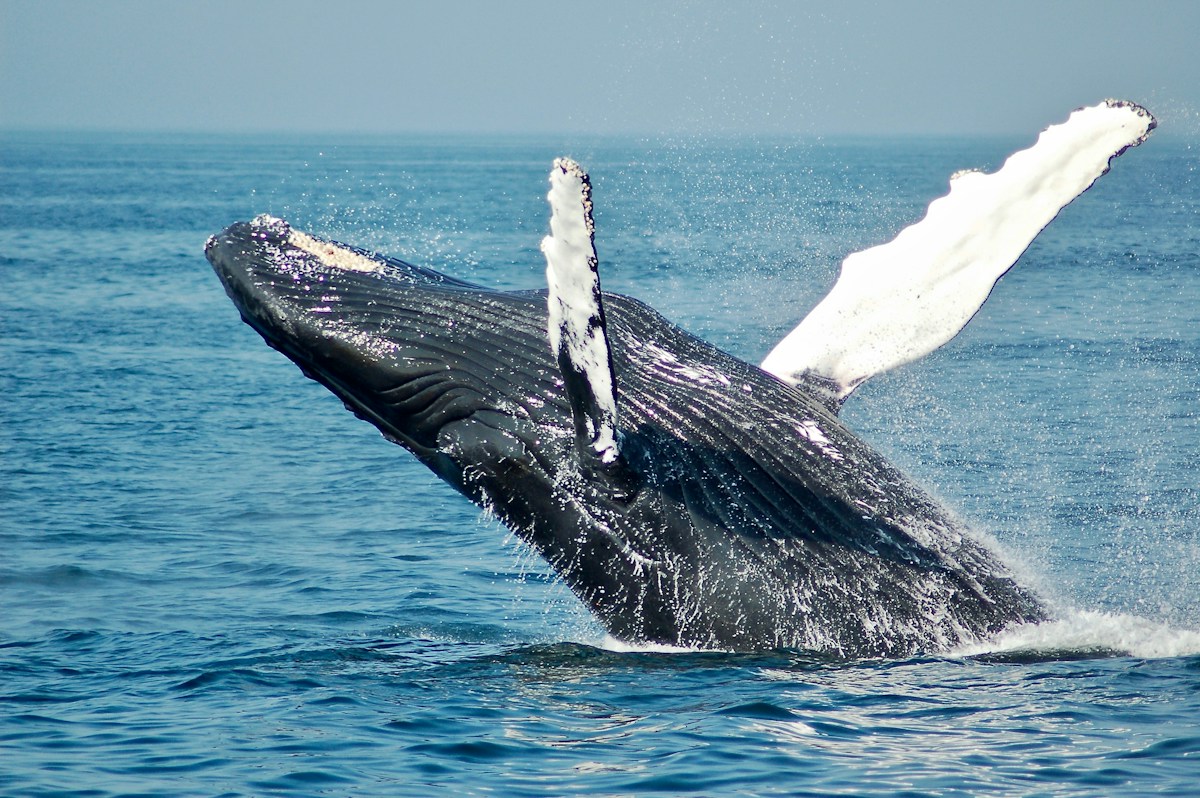
Ship speed limits that have protected North Atlantic right whales—one of the world's most endangered large mammals—face replacement with unproven detection technology under a new policy proposal from the National Oceanic and Atmospheric Administration.
With fewer than 350 individuals remaining, every North Atlantic right whale matters. The species cannot sustain the loss of even a single breeding female without moving closer to extinction. Yet the proposed rule changes would effectively gamble proven conservation measures against emerging technology that marine biologists say remains scientifically unvalidated for preventing ship strikes.
In nature, as across ecosystems, every species plays a role—and humanity's choices determine whether the web of life flourishes or frays. Right whales have survived commercial whaling, entanglement in fishing gear, and habitat loss. Ship strikes remain the leading cause of death for a species that scientists feared might go extinct within our lifetimes.
Current regulations require vessels to slow to 10 knots or less in designated right whale zones during migration and calving seasons. The speed limit, established through decades of research and field data, gives whales and ship captains time to avoid collisions. Studies show that reducing ship speeds from 15 knots to 10 knots dramatically reduces both collision frequency and whale mortality rates.
The proposed changes would allow vessels equipped with whale detection systems to maintain higher speeds, even in critical habitat. Proponents argue that advanced sonar, thermal imaging, and AI-based detection can identify whales in time for vessels to maneuver around them. Marine biologists remain skeptical.
Detection technology faces significant real-world limitations. Right whales spend much of their time underwater, surfacing only briefly to breathe. Ocean conditions—fog, darkness, rough seas—reduce detection reliability precisely when whales are most vulnerable. Even perfect detection cannot overcome physics: larger vessels traveling at higher speeds require , far exceeding the distance at which whales typically become visible.