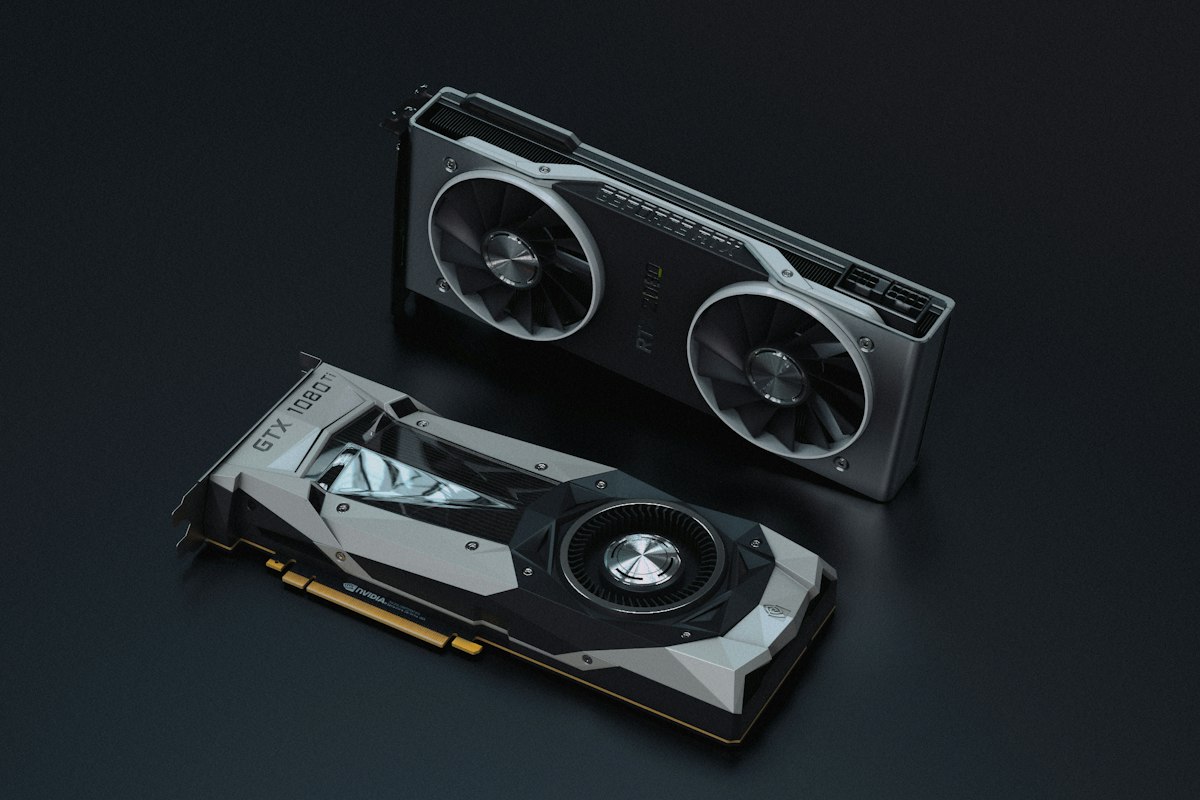
Nvidia just pushed a driver update that reduces voltage limits on RTX GPUs, leading to measurable performance decreases. The change was made without announcement or clear explanation, and it raises serious questions about post-purchase product modifications.
According to testing documented by Notebookcheck, the 595.71 Game Ready Driver caps voltage at under 1V during overclocking, effectively limiting performance even when users have manually cranked up clock speeds.
Let's be clear about what happened here. Users who bought RTX 5090, 4090, 4080 Super, and 4070 Ti Super cards expecting certain performance characteristics just had that performance dialed back via software update. With a 300 MHz overclock, voltage now falls to 0.990V while core speeds stay under 3,000 MHz—capping gains that previously would have been achievable.
Nvidia's likely rationale? The melted connector problem. Those 16-pin power connectors have been a disaster, with numerous reports of physical damage from excessive current. By limiting voltage, Nvidia theoretically prevents the kind of power draw that melts plastic.
But here's the consumer rights question that nobody's addressing: if you bought a GPU for certain performance specs, can the manufacturer just dial it back afterward?
This isn't a safety recall. This is a silent performance nerf to address a hardware design flaw that Nvidia should have caught before shipping millions of cards. YouTuber Bang4BuckPC Gamer documented the issue, and Reddit is full of users reporting the same restrictions across multiple models.
From a technical perspective, I get it. If the connectors can't handle the current, something has to give. But the right approach is transparency: announce the change, explain why, give users the choice to revert if they're willing to accept the risk. Silent nerfs feel like the company treating your hardware as something they still control even after you've paid for it.
This is the future of hardware in the software-defined era. Your GPU, your car, your phone—they're all just platforms for updates that can change performance characteristics without your consent. Sometimes those changes add features. Sometimes they take performance away.