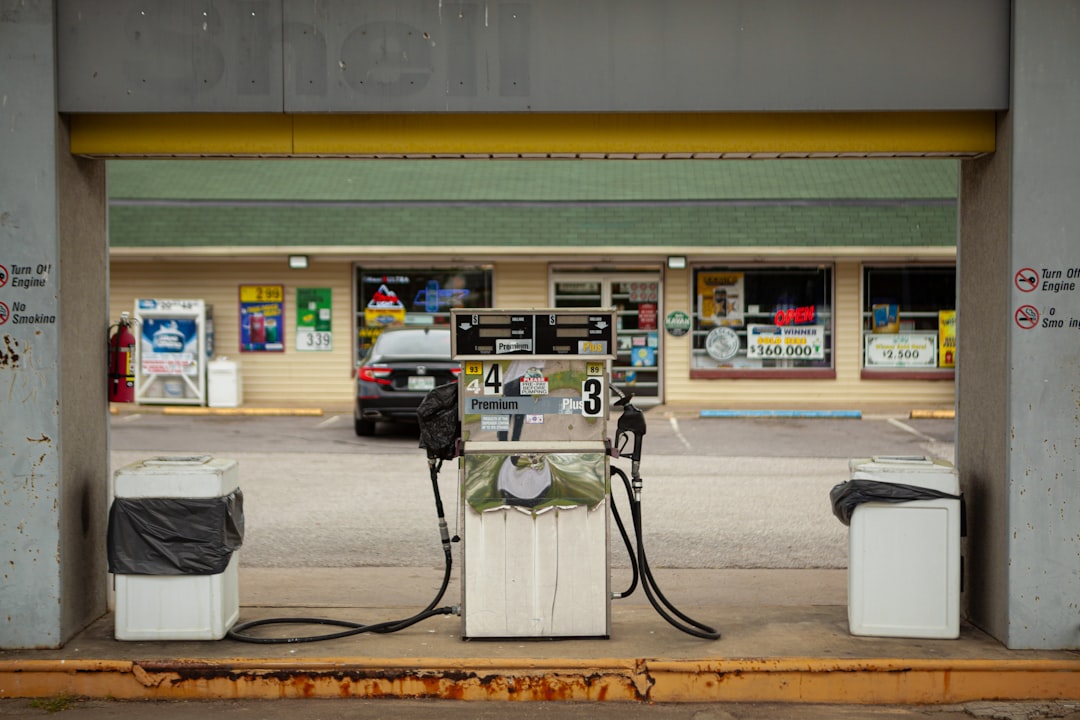
New South Wales authorities have fined nearly 100 service stations $1,100 each for misleading petrol prices during the fuel shortage crisis, in a crackdown The Guardian reports comes as Australians face soaring prices and limited supply.
The fines target stations that displayed inaccurate prices on roadside boards or failed to update prices promptly during the crisis. But the penalty amounts have sparked immediate criticism: $1,100 is nothing to a fuel retailer pulling in tens of thousands of dollars a day.
Mate, if you're going to crack down on price gouging during a national crisis, at least make the fines hurt.
The NSW government's fuel pricing transparency regime requires service stations to display accurate prices and update them promptly when prices change. During normal times, this helps consumers make informed choices and drives competition. During a crisis, it's supposed to prevent gouging.
But the regime has obvious weaknesses. The $1,100 fine is the maximum penalty under the current rules, and it's laughably inadequate. For context, a typical service station selling 50,000 liters a week at even a modest margin of 10 cents per liter is making $5,000 in gross profit. A $1,100 fine is less than a day's revenue.
The economic calculus is straightforward: if you can mislead customers into paying higher prices and the worst that happens is a $1,100 fine, there's no real deterrent. The fine becomes a cost of doing business, not a punishment.
The Middle East war has disrupted global oil supplies and sent prices soaring. Australia, with its minimal fuel reserves and import dependence, has been hit particularly hard. Service stations have faced genuine supply constraints, with some running out of diesel or petrol entirely. Prices have spiked, often changing multiple times a day as wholesale costs fluctuate.
In that environment, accurate pricing matters enormously. Consumers need to know which stations have fuel and at what price. Misleading price boards send people on wild goose chases, wasting fuel and time. And they create opportunities for gouging - displaying low prices to lure customers, then charging higher prices at the pump.
The NSW government says the crackdown demonstrates its commitment to consumer protection during the crisis. Fair Trading Minister called the fines