

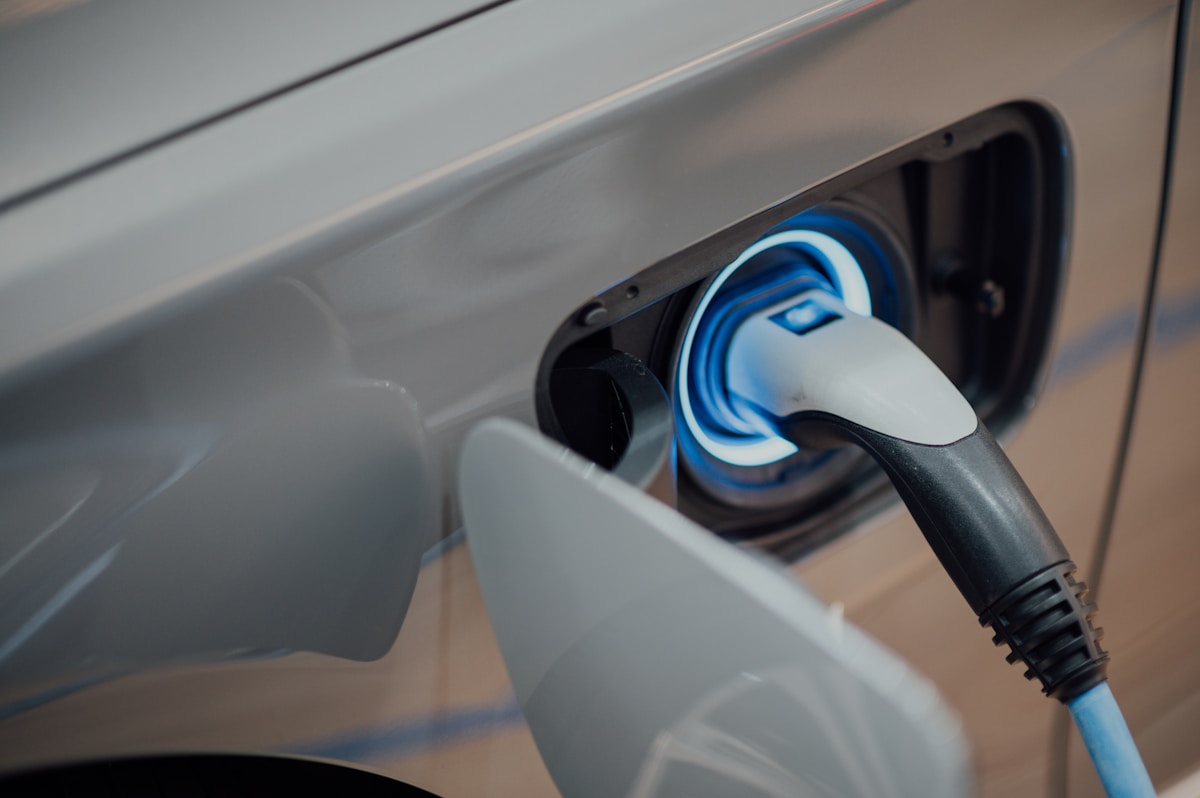
Norway has achieved what many deemed impossible, with electric vehicles comprising 98 percent of all new car sales in December 2025, effectively completing the country's transition away from internal combustion engines and providing a roadmap other nations struggle to follow.
The figures, released by the European automobile industry, reveal a dramatic divergence in EV adoption across developed economies. Denmark reached 81 percent, Netherlands hit 64 percent, while the United States languished at just 9 percent and the United Kingdom managed 22 percent despite aggressive targets.
The Norwegian achievement demolishes arguments that electric vehicle transitions are technologically or economically infeasible at scale. What began as an ambitious policy experiment two decades ago has produced virtually complete market transformation, demonstrating that political will and coherent incentive structures can reshape entire industries within a generation.
In climate policy, as across environmental challenges, urgency must meet solutions — science demands action, but despair achieves nothing. Norway's success proves that rapid decarbonization of personal transportation is not merely aspirational but achievable when governments commit resources and political capital.
How did Norway accomplish what others have not? The policy mix combined carrots and sticks with unusual consistency:
• Tax exemptions: EVs avoided the steep import taxes and VAT that made combustion vehicles prohibitively expensive, creating price parity or even advantages for electric models
• Infrastructure investment: Comprehensive fast-charging networks eliminated range anxiety, with chargers ubiquitous along highways and in urban areas
• Usage incentives: Free parking, toll exemptions, and bus lane access made EVs not just environmentally responsible but practically superior
• : Policies remained stable across multiple governments and decades, allowing consumers and manufacturers to plan long-term



