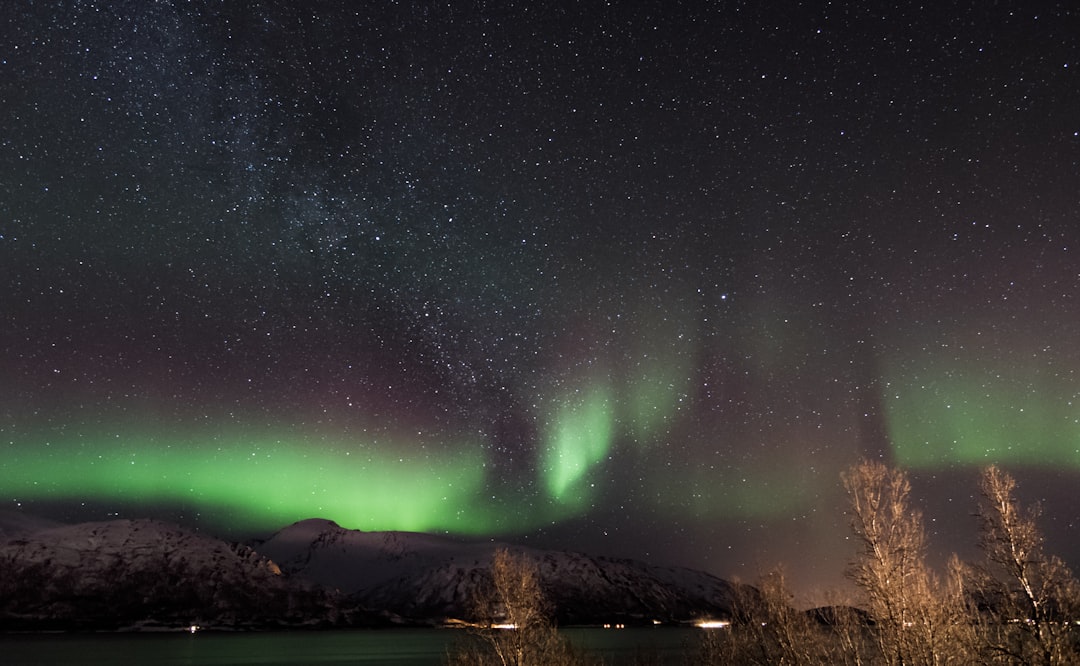
Travelers chasing the aurora borealis may want to reconsider the conventional wisdom that peak winter is the only viable season for Northern Lights viewing.
A recent trip report from early April 2026 confirms what budget travelers have long suspected: you can successfully view the Northern Lights well into spring, potentially saving hundreds on accommodation and flights compared to the premium-priced deep winter season.
"Early April is still okay to see the Northern Lights," reported a traveler who visited Tromsø, Norway on April 7. "All you need is a good guide and clear skies. Alternatively you can research deeply into it to know when you can expect one to happen, and drive out of cloudy areas."
The aurora was described as moving "pretty fast," requiring cameras and phones to be ready for capture. Most importantly: "It was magical."
This challenges the travel industry narrative that travelers must visit the Arctic during December through February for aurora viewing. While solar activity follows an 11-year cycle, the physics of aurora formation doesn't stop in March.
According to Visit Norway, the official aurora season runs from late September through late March, but this timing is based on optimal conditions rather than absolute limits. April viewings are less reliable due to shortened nights, but they're far from impossible with proper planning.
The budget implications are significant. Peak winter pricing for Tromsø hotels can exceed $300 per night, with flights from major European cities commanding premium rates during Christmas and New Year periods. By early April, hotel prices often drop 40-50%, and shoulder-season flight deals become available.
Additionally, early April offers more tolerable temperatures for travelers uncomfortable with extreme cold. While February temperatures in Tromsø average -4°C (25°F), early April sees averages around 0°C (32°F)—still cold, but far more manageable for those unaccustomed to Arctic conditions.
The trade-off is reduced reliability. Peak winter offers longer nights and more opportunities to catch clear skies across multiple evenings. April travelers may need to be more flexible, monitor aurora forecasts closely, and be prepared to chase clear weather if their base location is cloudy.
Tools like the Space Weather Live KP index and weather forecasts are essential for timing April aurora trips. Travelers should also consider working with local guides who monitor conditions and can transport groups to cloud-free zones.
Other viable April aurora destinations include Abisko, Sweden, Finnish Lapland, and Iceland, all of which maintain sufficient darkness in early April while offering lower prices than peak season.
For budget travelers targeting aurora experiences without breaking the bank, the shoulder season represents a calculated risk: slightly lower odds of success, significantly lower costs, and more comfortable temperatures.