

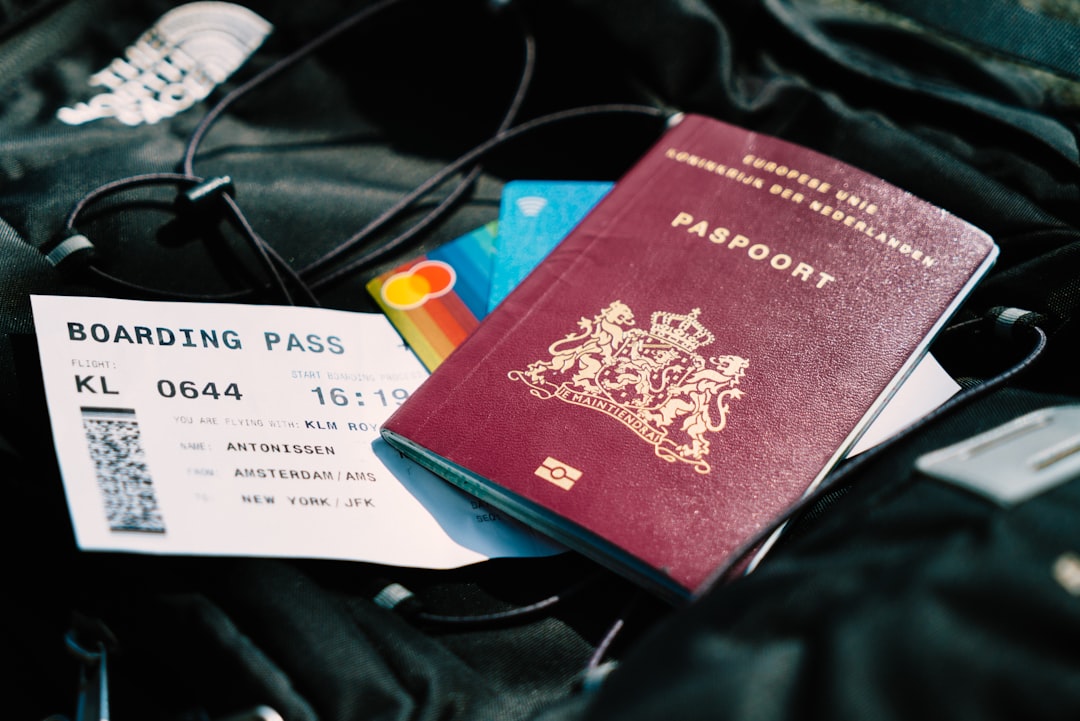
Nordic countries are intensifying pressure on the European Union to impose a blanket ban on tourist visas for Russian citizens, citing a significant surge in visa approvals for the second consecutive year despite the war in Ukraine.
According to EU Observer, Finland, Sweden, Denmark, and the Baltic states have formed a hardline coalition pushing for comprehensive restrictions on Russian tourist travel to EU territory. The proposal highlights deep divisions within the bloc over how to balance security concerns with economic interests and humanitarian considerations.
Data from EU member states shows visa approvals for Russian citizens increased substantially over the past year, even as the conflict in Ukraine continued. The uptick reflects both pent-up demand from Russians seeking to travel and continued processing by several EU countries that maintain relatively open visa policies.
In Russia, as in much of the former Soviet space, understanding requires reading between the lines. The visa data reveals that despite Western sanctions and political isolation, significant segments of Russian society—particularly the middle and upper classes—continue seeking European travel, whether for tourism, business, or family visits.
The Nordic position argues that allowing Russian tourists into Europe while Russia prosecutes its war in Ukraine sends the wrong message. Finland, which shares an 1,300-kilometer border with Russia, has been particularly vocal, citing security concerns about potential intelligence gathering and the political optics of Russian tourists enjoying European destinations while Ukrainian cities face bombardment.
Estonia, Latvia, and Lithuania—all NATO members with substantial Russian-speaking minorities—support the restrictive approach. These countries remember Soviet occupation and view Russian influence with deep suspicion, particularly after Russia's invasion of Ukraine shattered assumptions about European security.
However, the proposal faces opposition from other EU members. Germany, France, and Italy have expressed reservations about blanket bans, arguing for targeted restrictions rather than collective punishment of ordinary Russians. These countries maintain significant Russian diaspora populations and have economic interests in preserving some level of people-to-people contact.
The divide reflects broader tensions within the EU about Russia policy. While unity on sanctions and Ukraine support remains strong on major issues, member states diverge on implementation details, particularly measures affecting individual citizens rather than the Russian state directly.
Critics of comprehensive visa bans argue that preventing all Russian tourists from entering Europe alienates potential opposition voices within Russia and punishes citizens who may oppose the war but have no means to influence Kremlin policy. They note that many Russians seeking European visas are fleeing Russia's authoritarian environment, not endorsing it.
Proponents counter that tourism is a privilege, not a right, and that Europe has no obligation to facilitate leisure travel for citizens of a country waging aggressive war. They point to Ukraine, where ordinary citizens face displacement and death, as justification for imposing hardships on Russian society.
The current EU framework allows individual member states to make visa decisions based on their own criteria, though Schengen Area rules mean that a visa issued by one country generally permits travel throughout the zone. This creates potential for visa shopping, where Russians apply to more permissive countries to gain broader European access.
Finland has already implemented stringent restrictions, virtually halting tourist visa processing. Estonia, Latvia, Lithuania, and Poland have similarly tightened policies. But without EU-wide coordination, Russians can still obtain visas from countries like Hungary or Greece and travel to Nordic countries as Schengen visitors.
The surge in visa approvals appears concentrated in Southern and Western European countries that maintain more moderate positions on Russia. These nations have tourism industries that benefited from pre-war Russian visitors, and some governments face domestic pressure to preserve those economic relationships.
Russian official media has portrayed visa restrictions as evidence of European "Russophobia" and discrimination. The Kremlin uses Western visa policies as domestic propaganda to reinforce narratives of Russia under siege from a hostile West.
For Russian citizens caught between their government's actions and Western responses, the visa debate creates practical hardships. Russians with family in Europe, business interests, or medical needs face increasing difficulty traveling, even when their trips have nothing to do with tourism.
The EU Foreign Affairs Council is expected to discuss the issue at upcoming meetings, though consensus appears unlikely. Without unanimous agreement, the bloc may default to allowing continued national discretion, preserving the current patchwork approach.
As the war in Ukraine enters its fourth year, visa policy has become another front in Europe's struggle to calibrate its response to Russia—balancing moral clarity with practical complications, unity with national interests, and punishment of the Russian state with impacts on individual Russians who may bear no responsibility for Kremlin decisions.



