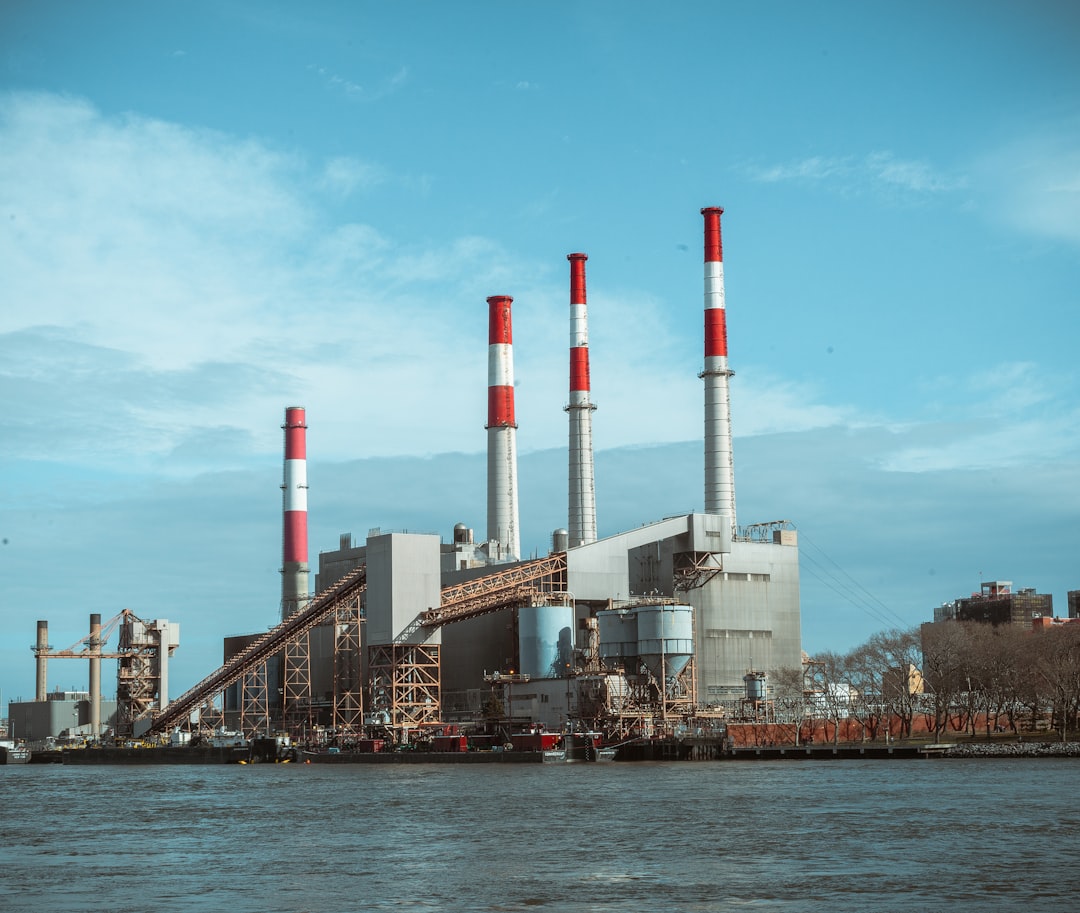
NIPSCO, the Indiana utility, has racked up $11.5 million in losses following a federal order forcing the company to keep coal-fired power plants running past their planned retirement dates. Welcome to the messy reality of energy transition that nobody talks about at climate conferences.
According to local reports, federal regulators determined that grid reliability required these aging coal units to continue operating despite NIPSCO's plans to retire them in favor of cleaner, and frankly cheaper, natural gas and renewable sources. The company is now operating uneconomic generation assets at a loss because someone has to keep the lights on.
Here's the business problem in stark terms: NIPSCO planned its capital allocation around a transition timeline that made economic sense. Coal plants are expensive to operate and maintain. Natural gas and renewables with battery storage have become cost-competitive, even before factoring in environmental regulations and carbon costs. The company made what appeared to be a rational business decision.
Then regulators stepped in and said "not yet." The result? NIPSCO is burning coal it doesn't want to burn, operating plants it planned to retire, and absorbing $11.5 million in losses—so far. That number will grow with every month these units keep running.
The critical question: Who ultimately pays? In regulated utility markets, companies can typically pass through costs to ratepayers, but that requires regulatory approval and takes time. Shareholders eat the losses in the interim. And if regulators decide these were avoidable costs or poor planning on NIPSCO's part, shareholders might be stuck with the bill permanently.
This situation highlights the impossible position utilities face during energy transition. Move too fast, and regulators force you to keep old assets running for grid reliability. Move too slow, and you face political pressure over emissions and climate commitments. Thread that needle perfectly, and you still might end up operating coal plants at a loss because transmission upgrades haven't kept pace with generation changes.
From an investor perspective, this is exactly the kind of regulatory risk that makes utility stocks less boring than they appear. NIPSCO is a subsidiary of NiSource, which is absorbing these losses while trying to execute a clean energy transition that apparently moves faster than grid infrastructure can support.
The broader lesson: Energy transition isn't just about building solar farms and wind turbines. It's about grid reliability, transmission capacity, regulatory coordination, and the very real costs that fall on utilities, ratepayers, and shareholders when the pace of change exceeds the system's ability to adapt.
Someone always pays for policy decisions and infrastructure gaps. In this case, it's NIPSCO's balance sheet taking the $11.5 million hit while regulators figure out how to keep Indiana's grid stable during a transition that's proving far messier than the PowerPoint presentations suggested.