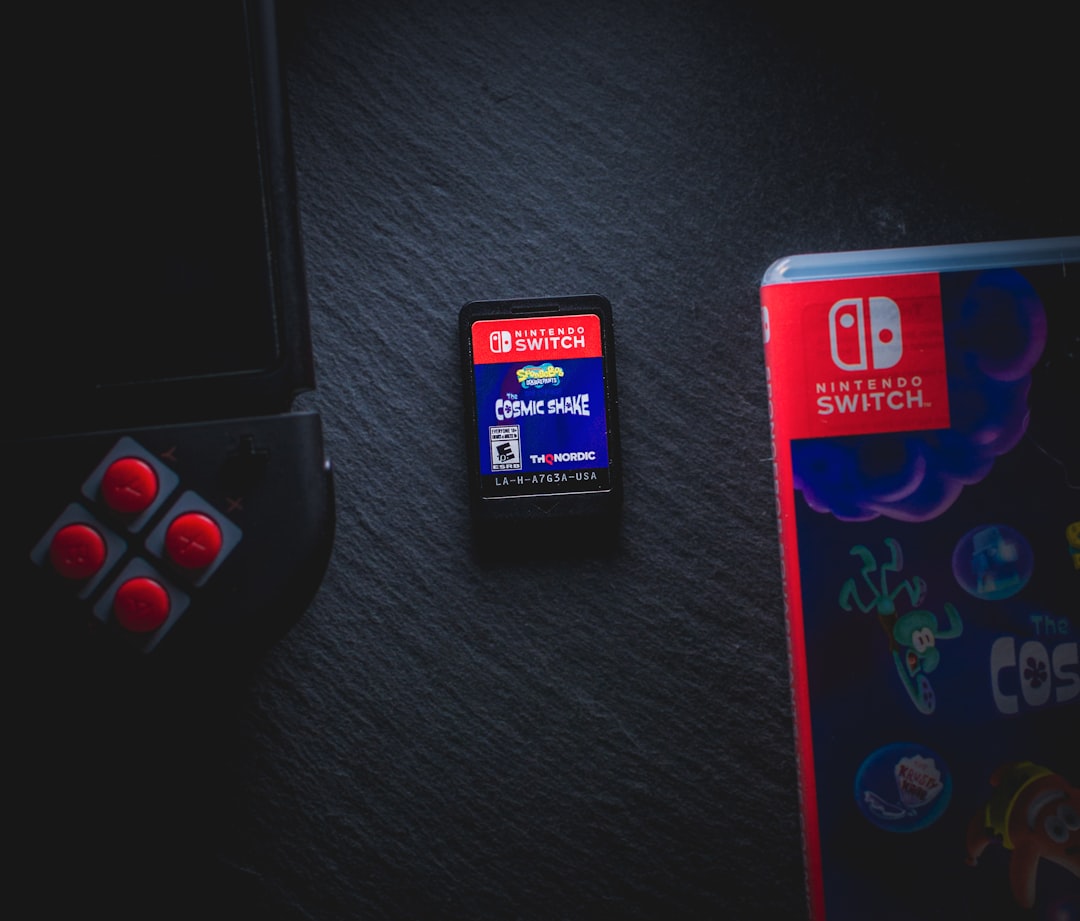
Nintendo is making a Switch 2 with a user-replaceable battery, but only for European customers. The reason? EU regulations requiring it. This is proof that right-to-repair laws actually work - and raises the obvious question of why American consumers should accept inferior hardware.
According to Nikkei reporting, Nintendo is preparing a version of the Switch 2 where users can swap out the battery themselves, no soldering or toolkit required. The Joy-Con 2 controllers will also feature replaceable lithium-ion batteries. This is the kind of design we had a decade ago and somehow convinced ourselves we didn't need anymore.
The EU forced this change through right-to-repair legislation passed in 2023, giving manufacturers until 2027 to comply. The law requires that batteries in portable electronics be user-replaceable - not "take it to an authorized service center" replaceable, but actually "you can do this at home" replaceable.
Nintendo didn't do this out of the goodness of their heart. They did it because they had to. There are "no reported plans" to bring this design to other regions, which tells you everything you need to know about how companies approach repairability when given the choice.
This isn't unique to Nintendo. Apple modified the iPhone 16 design to make battery replacement easier in Europe. Sony is reportedly updating DualSense PS5 controllers similarly. The pattern is clear: legislation works. Companies won't design better products voluntarily, but they will when required by law.
The arguments against right-to-repair legislation have always been the same: it'll make products thicker, uglier, more expensive, less water-resistant. Yet somehow European iPhones aren't bricks, and Nintendo is managing to design replaceable batteries for the Switch 2 without catastrophe.
The real argument against repairability was always simpler: planned obsolescence is profitable. When batteries die after three years and can't be replaced, consumers buy new devices. When controllers become e-waste because of a $5 battery, consumers buy new controllers. It's a business model, just not one that serves users or the environment.