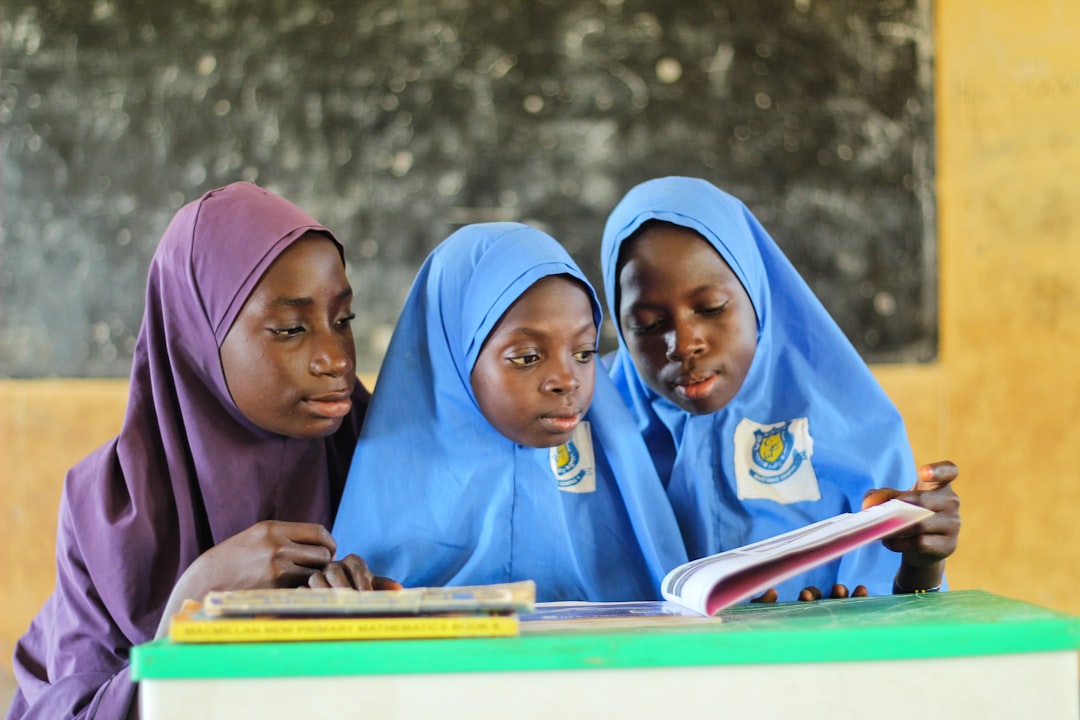
Nigerian students have achieved remarkable scores in the 2026 Unified Tertiary Matriculation Examination (UTME), with multiple candidates scoring above 350 out of a possible 400 points—demonstrating extraordinary academic resilience amid chronic challenges facing the country's education system.
The top-performing students, whose results were shared widely on social media, scored between 352 and 365 points on the examination administered by the Joint Admissions and Matriculation Board (JAMB). These exceptional results come despite persistent strikes, inadequate school infrastructure, and economic pressures that force many Nigerian students to study under difficult conditions.
"These young people represent Nigeria's greatest resource," said an education analyst in Lagos. "They excel not because of the system, but in spite of it. Imagine what they could achieve with proper support."
In Nigeria, as across Africa's giants, challenges are real but entrepreneurial energy and cultural creativity drive progress. The outstanding UTME performances reflect that same resilience and determination that characterizes Nigeria's young population—over 60% of Nigerians are under 25 years old.
Nigeria's education sector faces multiple challenges: underfunded public schools, frequent teacher strikes over unpaid salaries, overcrowded classrooms, and inadequate learning materials. University lecturers have engaged in lengthy strikes in recent years, disrupting academic calendars and leaving students uncertain about completing degrees on time.
Yet Nigerian students continue to excel when given opportunities. Many of the country's brightest minds have gone on to distinguish themselves at universities worldwide, contributing to fields ranging from technology and medicine to business and the arts. The challenge remains converting that talent into domestic opportunities that keep skilled Nigerians working at home rather than emigrating.
The top UTME scorers typically gain admission to Nigeria's most competitive programs—medicine, engineering, law—at prestigious institutions like the University of Ibadan, Obafemi Awolowo University, and Ahmadu Bello University. However, even top performers face challenges: outdated laboratory equipment, limited library resources, and periodic disruptions from campus closures.
Parents and students have increasingly turned to private institutions and tutorial centers to supplement inadequate public school instruction, creating a parallel education economy accessible mainly to middle-class families. This reality means many bright students from low-income backgrounds never get the opportunity to demonstrate their potential.
The record UTME scores have sparked calls for increased investment in education infrastructure and teacher compensation. "If students can achieve these results despite everything working against them, imagine what they could do with proper facilities, well-paid teachers, and consistent academic calendars," noted an education advocate.
Nigeria's tech sector boom offers a glimpse of what's possible when talented young Nigerians access resources and opportunities. Lagos has emerged as a leading African tech hub, with successful startups founded by young Nigerians who developed skills despite, not because of, their formal education experiences.
The challenge for Nigeria is ensuring that academic excellence translates into domestic opportunities. Too often, the country invests in educating bright students only to watch them leave for opportunities abroad—a brain drain that represents both a loss of talent and a failure to create conditions where excellence can flourish at home.
For now, the record UTME scores stand as a reminder of Nigerian students' potential and resilience. The question is whether the country's institutions—educational, economic, and political—can rise to match the determination of its youth.