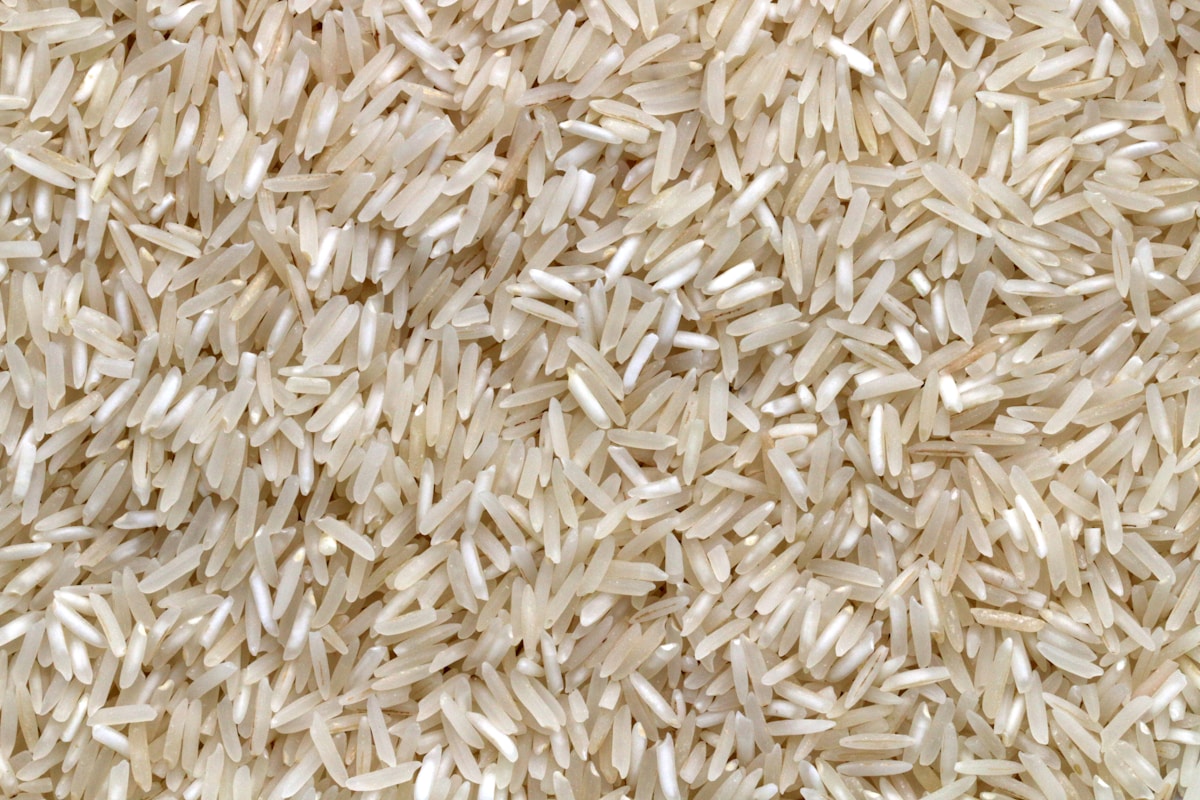
A satirical post circulating on Nigerian social media captures mounting frustration with President Bola Tinubu's approach to economic crisis management. The post imagines Nigerians raising concerns about insecurity, power failures, healthcare collapse, and economic devastation—only to receive rice distributions in response. Behind the dark humor lies a serious question: has Nigeria's leadership mistaken emergency food aid for economic policy?
The rice distribution programs dominate government responses to economic distress. State governments distribute bags of rice at subsidized prices. Federal palliatives include rice as central components. When inflation erodes purchasing power and staple food prices surge beyond household budgets, the administration's reflex response involves rice.
But rice distributions cannot substitute for comprehensive economic strategy. They represent symptoms of policy failure—acknowledgment that millions of Nigerians cannot afford basic nutrition—rather than solutions addressing root causes driving the crisis.
The Economic Reality Behind the Satire
Nigeria's economic indicators paint a grim picture. Inflation hovers around 30 percent, the highest in decades. The naira's value collapsed following President Tinubu's decision to float the currency, eroding savings and import-dependent purchasing power overnight. Fuel prices tripled after subsidy removal, cascading through transportation costs, food prices, and basic goods.
The reforms aimed to address structural problems—unsustainable fuel subsidies consuming government revenue, artificial exchange rates distorting trade, monetary policies divorced from economic fundamentals. In principle, addressing these distortions made economic sense. In practice, the implementation lacked adequate safety nets, sequencing, or communication to cushion impacts on vulnerable populations.
Nigeria's middle class—the engine of consumer demand, entrepreneurial innovation, and social stability—contracts rapidly. Professionals who afforded private school fees, healthcare, and moderate lifestyles now struggle with basic expenses. University lecturers moonlight in multiple jobs. Civil servants skip meals. Private sector workers watch salaries buy progressively less each month.
Beyond Palliatives: The Policy Vacuum
Emergency food distributions serve legitimate purposes during acute crises. Natural disasters, conflict-induced displacement, or sudden economic shocks can require temporary food aid. But Nigeria faces structural economic problems requiring structural solutions—diversification away from oil dependence, agricultural productivity improvements, manufacturing sector development, infrastructure investment, and human capital enhancement.
Rice distributions address none of these. They provide temporary relief while avoiding difficult policy questions. Why do Nigerian farmers, despite the country's agricultural potential, struggle to compete with imported rice? What prevents domestic food processing industries from scaling? How can Nigeria reduce oil revenue dependence when non-oil sectors remain underdeveloped?
The Tinubu administration inherited these problems. Previous governments failed to diversify the economy, build resilient institutions, or invest adequately in education and healthcare. But inheriting problems does not excuse inadequate responses. Nigerians deserve policy frameworks addressing economic fundamentals, not just palliative distributions that acknowledge crisis without resolving it.
The Insecurity Dimension
The social media satire highlights another government failure: rice cannot address insecurity. Insurgency continues operations in the northeast. Banditry plagues northwestern states, disrupting farming and displacing communities. Kidnapping for ransom has industrialized, targeting schools, highways, and villages. Southeast separatist tensions simmer.
Insecurity and economic crisis reinforce each other. Farmers cannot cultivate fields when bandits operate freely. Businesses cannot invest when kidnapping risks make travel dangerous. Internally displaced persons require humanitarian assistance, straining government resources. Yet security budgets disappear without corresponding improvements in citizen safety.
Rice distributions to conflict-affected communities provide temporary relief but ignore underlying governance failures enabling violence. Why do security forces, despite substantial budgets, struggle to protect citizens? What accountability mechanisms address corruption within security services? How can Nigeria build institutions capable of maintaining order across diverse regions?
The Infrastructure Crisis
Power supply represents another area where rice cannot substitute for policy. Lagos businesses run generators more hours than they access grid electricity. Manufacturers cite power costs as major competitiveness obstacles. Households budget significant portions of income for alternative energy.
Nigeria's installed electricity generation capacity could power economic growth—if transmission infrastructure worked, if distribution companies operated efficiently, if revenue collection improved, if regulatory frameworks incentivized investment. Instead, the power sector stumbles through perpetual crisis while citizens and businesses absorb costs through reduced productivity and expensive alternatives.
The Tinubu administration has announced power sector reforms. But implementation timelines stretch years while economic pain intensifies immediately. Rice distributions cannot light homes, run factories, or power the digital economy Nigeria aspires to develop.
What Nigerians Actually Need
In Nigeria, as across Africa's giants, challenges are real but entrepreneurial energy and cultural creativity drive progress. Nigerian tech startups attract billions in investment despite infrastructure obstacles. Nollywood exports cultural content globally despite funding constraints. Small businesses innovate around regulatory barriers and supply chain challenges.
These entrepreneurs need policy environments supporting growth—reliable power, efficient transportation, transparent regulation, access to capital, skilled workforce development. They need economic stability allowing planning beyond immediate survival. They need security enabling investment outside fortified compounds.
Rice distributions acknowledge economic distress but offer no pathway toward sustainable prosperity. They become symbolic of governance choosing politically visible gestures over substantively difficult reforms. Distributing food bags generates photo opportunities and grateful recipients in the short term. Building functional institutions requires patience, expertise, and political courage to confront entrenched interests.
The satirical post resonating across Nigerian social media reflects deeper frustration. Citizens understand the difference between emergency relief and economic strategy. They recognize that repeated rice distributions signal policy exhaustion rather than comprehensive planning.
President Tinubu promised "renewed hope" during his campaign. Nigerians hoped for diversified economic growth, improved security, infrastructure development, and institutional strengthening. Instead, they receive rice—and mounting questions about when palliatives will give way to policy.