Nigeria's electricity crisis runs deeper than aging infrastructure—it's trapped in an economic "profitability crisis" where distribution companies cannot afford grid upgrades because customers cannot or will not pay for unreliable service.
The vicious cycle, highlighted in industry discussions, reveals why ministerial apologies fail to translate into solutions. Distribution companies (DisCos) send bills based on estimates rather than actual meter readings, customers refuse payment for services they rarely receive, and DisCos lack revenue to maintain infrastructure—much less expand it.
In Nigeria, as across Africa's giants, challenges are real but entrepreneurial energy and cultural creativity drive progress. Yet the power sector's economics work against progress itself. When DisCos cannot collect revenue, they cannot pay generating companies. Generators then struggle to pay gas suppliers, choking off fuel for power plants. The entire chain breaks down, leaving 200+ million Nigerians in darkness while sitting atop massive natural gas reserves.
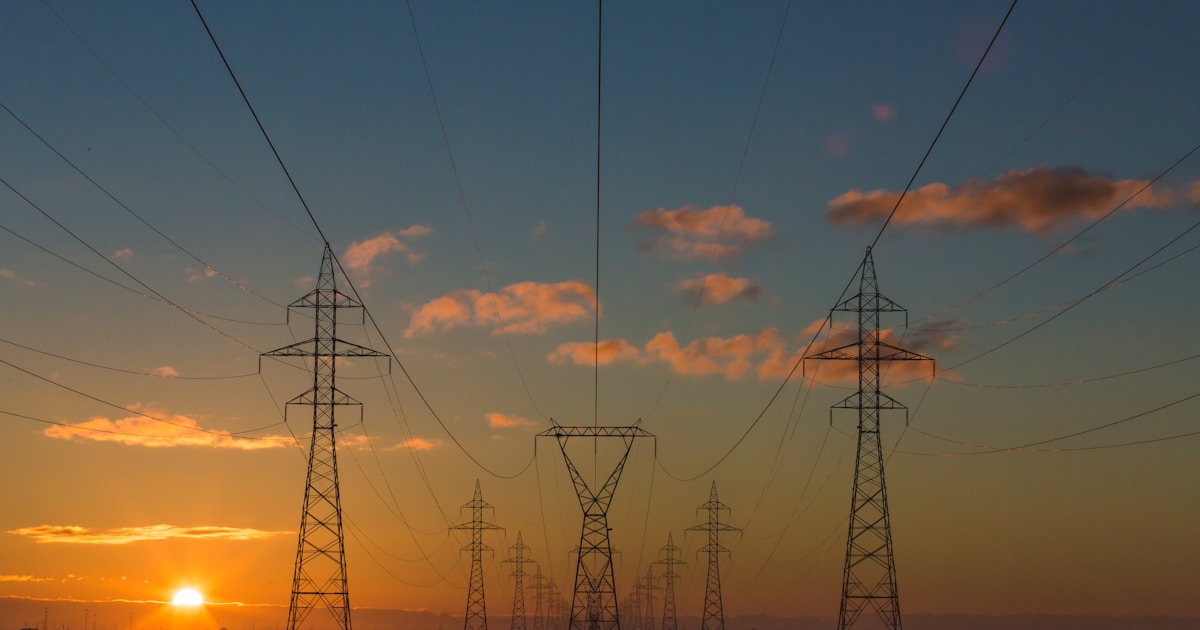
The structural problem dwarfs any individual grid collapse. Nigeria's installed generation capacity exceeds 12,000 megawatts, yet actual transmission rarely surpasses 4,000 MW due to infrastructure constraints and payment failures throughout the value chain. The gap between potential and reality costs the economy an estimated $28 billion annually in lost productivity.
Metering presents one concrete bottleneck. Millions of Nigerian households and businesses lack proper electricity meters, forcing DisCos to guess consumption. Customers understandably resist paying estimated bills for power they often don't receive. Many bypass meters entirely through illegal connections, further eroding DisCo revenues and creating safety hazards.
The affordability challenge compounds technical issues. A huge portion of Nigeria's population—over 60% under age 25—struggles with unemployment and inflation. Even households willing to pay for reliable electricity cannot afford rates that would make DisCo operations profitable. Subsidies could bridge the gap, but government finances already strain under fuel subsidy removal and debt service obligations.
Realistic solutions require patient capital and political will. Experts suggest ring-fencing certain urban areas for intensive metering and infrastructure upgrades, proving the business model before expanding nationwide. Private investors might finance such pilots if guaranteed payment collection enforcement and regulatory stability—big ifs in Nigeria's policy environment.
The timeline for transformation stretches across years, perhaps a decade, of sustained investment and institutional reform. Lagos and other major cities could see meaningful improvements within 3-5 years under focused management. Nationwide grid stability requires longer horizons and complementary approaches: distributed solar for rural areas, captive generation for industrial zones, regional micro-grids where national infrastructure proves unreliable.
Nigerian entrepreneurialism already adapts to electricity scarcity. Tech startups design low-power solutions. Manufacturers invest in captive generation. Solar companies thrive. But economic transformation at national scale demands reliable grid power—something apologies alone cannot deliver without addressing the profitability crisis strangling distribution companies and, by extension, Nigeria's development ambitions.