

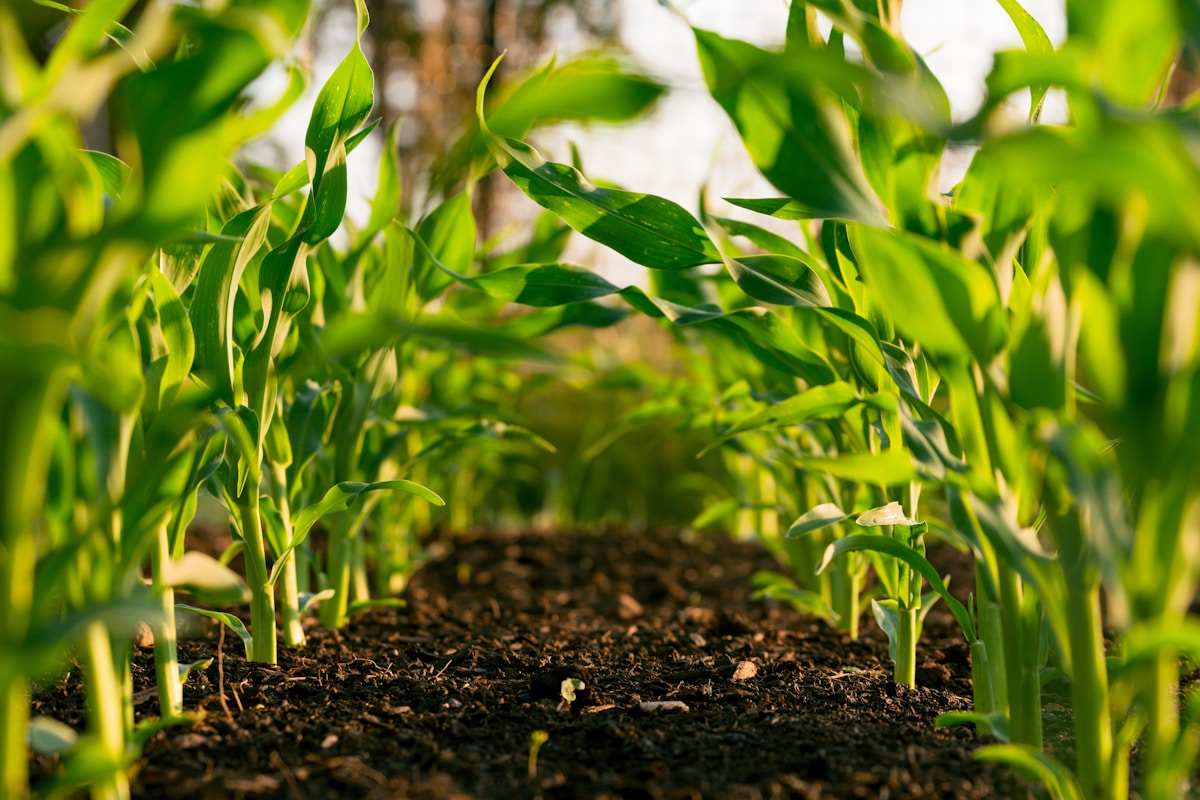
Ilorin, Kwara State—In Nigeria's farming heartland, fields of cassava, yams, and maize offer glimpses of agricultural resilience even as economic crisis and insecurity threaten the nation's food supply.
Farmers across Kwara State are planting for the 2026 season despite challenges that would break less determined producers. Foreign exchange volatility has tripled fertilizer costs. Insecurity limits access to farmland in some areas. Yet Nigerian farmers continue the work that feeds 200 million people.
"We don't have choice," said Alhaji Suleiman Yusuf, who farms 15 hectares outside Ilorin. "If we don't farm, people don't eat. The government creates problems, but farming is what we know. This land has fed my family for four generations."
In Nigeria, as across Africa's giants, challenges are real but entrepreneurial energy and cultural creativity drive progress. Nigerian agriculture demonstrates both—farmers innovating around obstacles while government policies often hinder rather than help.
The 2026 planting season comes amid particular uncertainty. Inflation exceeding 30% has eroded purchasing power, making inputs unaffordable for many smallholder farmers. The Central Bank's currency reforms intended to stabilize the naira have instead created volatility that makes planning impossible.
Yet farmers adapt. Blessing Adeyemi, a young farmer near Share town, has shifted toward organic methods that reduce dependence on imported fertilizers. "Chemical fertilizer now costs ₦45,000 per bag, up from ₦15,000 two years ago," she explained. "I'm using composted animal waste and crop rotation. Yields decrease slightly, but my costs drop dramatically."
Dr. Adeola Fashola, agricultural economist at University of Ilorin, sees both promise and peril in Nigeria's farming sector. "Nigerian agriculture has enormous potential—good soil, adequate rainfall in many regions, and hardworking farmers," he said. "But policy failures, poor infrastructure, and insecurity create artificial scarcity. We should be exporting food, not importing rice."
/file/attachments/2991/P1Estellehantaviruscover_411095.jpg)


