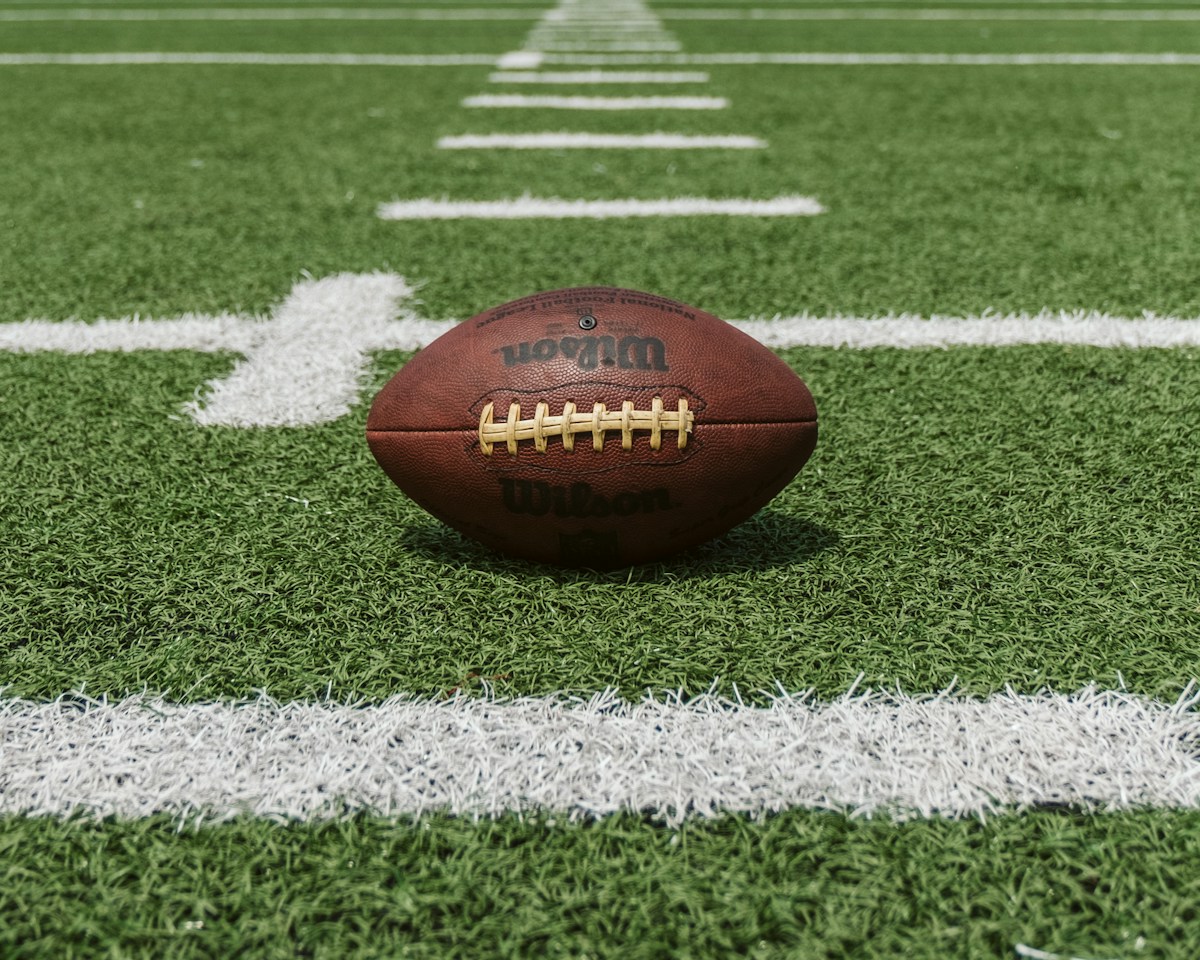
In an overwhelming show of unity, 92% of the 1,700 NFL players polled by the NFLPA said they prefer natural grass over artificial turf, according to ESPN. The players have spoken loud and clear about what they believe is safer for their bodies and careers, but the question remains: will team owners prioritize player safety over stadium economics?
This is about player safety versus owner profits, plain and simple. When 9 out of 10 players are telling you grass is what they want, that's not a close call.
NFLPA Executive Director JC Tretter put it bluntly: "There is something about the feeling of being on grass, the body feels different."
That's not scientific data - that's athletes who have spent their entire lives on football fields telling you what their bodies are saying. And maybe, just maybe, we should listen.
Currently, 15 of 30 NFL stadiums use artificial turf for games. That's half the league playing on a surface that the vast majority of players believe is inferior.
The injury data is complicated, Tretter acknowledged. While the gap between turf and grass injury rates has narrowed, he noted that turf injuries have remained relatively stable while grass injury rates have actually worsened - suggesting that the quality of grass surfaces may be declining.
But here's where it gets interesting: seven NFL stadiums will install natural grass for FIFA World Cup matches this summer - MetLife, AT&T, Gillette, Lumen, NRG, SoFi, and Mercedes-Benz stadiums. Tretter pointed to this as proof that high-quality grass standards are achievable.
So let me get this straight - these stadiums can have grass when FIFA comes to town, but not for the NFL players who put their bodies on the line 17 times a year? That tells you everything you need to know about priorities.
The economics are clear. Artificial turf is cheaper to maintain and can handle more events. Grass requires dedicated groundskeeping, precise irrigation, and ideal weather conditions. For multi-purpose stadiums hosting concerts, soccer matches, and other events, turf is the practical choice.
But "practical" and "right" aren't always the same thing.
Let's look at which owners are on the right side of this. Teams with grass fields - like the Pittsburgh Steelers at Heinz Field and the Green Bay Packers at Lambeau - have made it a point of pride. These are old-school franchises that understand tradition and player welfare go hand in hand.
Meanwhile, teams playing on turf in domes or multi-purpose venues are prioritizing flexibility and revenue streams over player preference. That's their right as business owners, but it's also worth calling out.
The NFLPA has been pushing this issue for years, documenting injury rates and surveying players. This 92% figure is about as close to unanimous as you'll ever see in a player poll. It cuts across positions, teams, and experience levels.
So what happens next? The union can advocate, but they can't force owners to change surfaces. That decision is entirely up to individual teams. And unless there's clear financial incentive or league-wide mandate, change will be slow.
But here's hoping this overwhelming player preference moves the needle. When your workforce - the athletes who generate billions in revenue - tells you near-unanimously what they need to perform at their best and stay healthy, ignoring them is bad business and worse leadership.
That's what sports is all about, folks - taking care of the players who make the game possible. Grass isn't just a preference; it's what the athletes are asking for. The least we can do is listen.