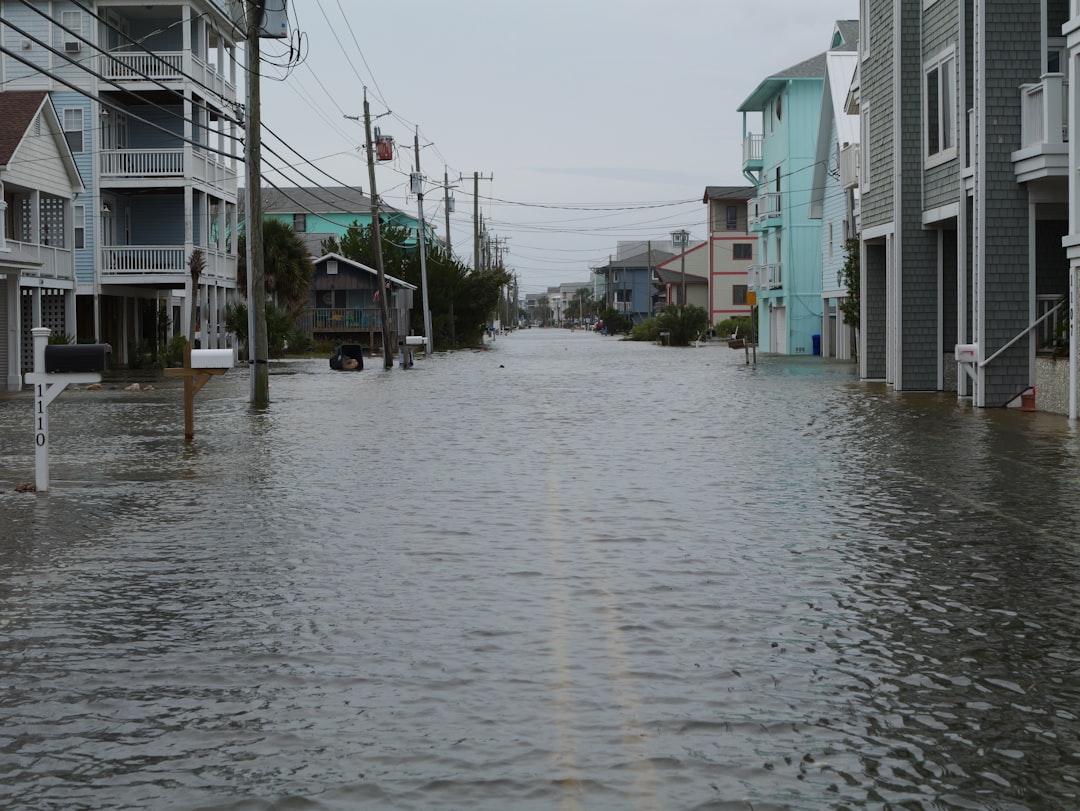
New Zealand is significantly underprepared for climate impacts that are not coming in the future — they are happening now. That is the blunt finding of a Newsroom investigation published this week, which documents flooding, cyclone damage, and coastal erosion already straining the country's infrastructure, insurance markets, and government response capacity.
This matters well beyond Wellington's domestic policy failures. New Zealand is the closest developed-country neighbour to some of the most climate-vulnerable nations on earth. When New Zealand cannot manage its own adaptation, the question of what it can offer Tuvalu, Kiribati, and the Cook Islands becomes very uncomfortable very quickly.
New Zealand's climate vulnerabilities are real and documented. Cyclone Gabrielle in February 2023 caused an estimated NZ$14.5 billion in damage — the costliest natural disaster in the country's history — and exposed the fragility of infrastructure in Hawke's Bay, Northland, and across the upper North Island. The insurance industry responded not with more coverage but with withdrawal and repricing, leaving tens of thousands of homeowners in flood-prone zones facing unaffordable premiums or no cover at all. The market, in other words, has already priced in the climate risk that the government's planning frameworks have not.
The Luxon government, meanwhile, has made a series of decisions that run directly counter to climate adaptation planning. It has wound back the previous government's climate legislation, removed the requirement for councils to plan for managed retreat from vulnerable coastal areas, and deprioritised the work of the Climate Change Commission. The argument from the government is that these measures were regulatory overreach and that New Zealand businesses and households need regulatory certainty rather than climate planning mandates.
The problem with that argument is that the climate does not wait for regulatory certainty. The flooding continues. The coastline retreats. The insurance market adapts while the planning system pretends otherwise.
From the perspective of Pacific Island nations, the picture is starkly troubling. The Pacific Islands Forum — in which New Zealand plays a significant role — has repeatedly called for developed-world neighbours to take climate leadership seriously, not merely as an emissions question but as an adaptation and migration question. New Zealand's Pacific Access Category, which provides a quota-based migration pathway for citizens of Tuvalu, Kiribati, Tonga, and Fiji, is widely seen by Pacific advocates as woefully inadequate for the climate displacement that is already occurring and will intensify dramatically over the coming decades.
If New Zealand cannot protect its own Hawke's Bay orchards from a Category 3 cyclone — and cannot rebuild the towns damaged by one — the implicit promise to be a haven and partner for low-lying Pacific nations facing sea-level inundation looks increasingly hollow.
The Newsroom investigation is worth reading in full for its domestic policy detail. But its regional implications are the bigger story. New Zealand is not just an unprepared nation. It is an unprepared anchor state in a region where preparation is quite literally a matter of survival for its neighbours.