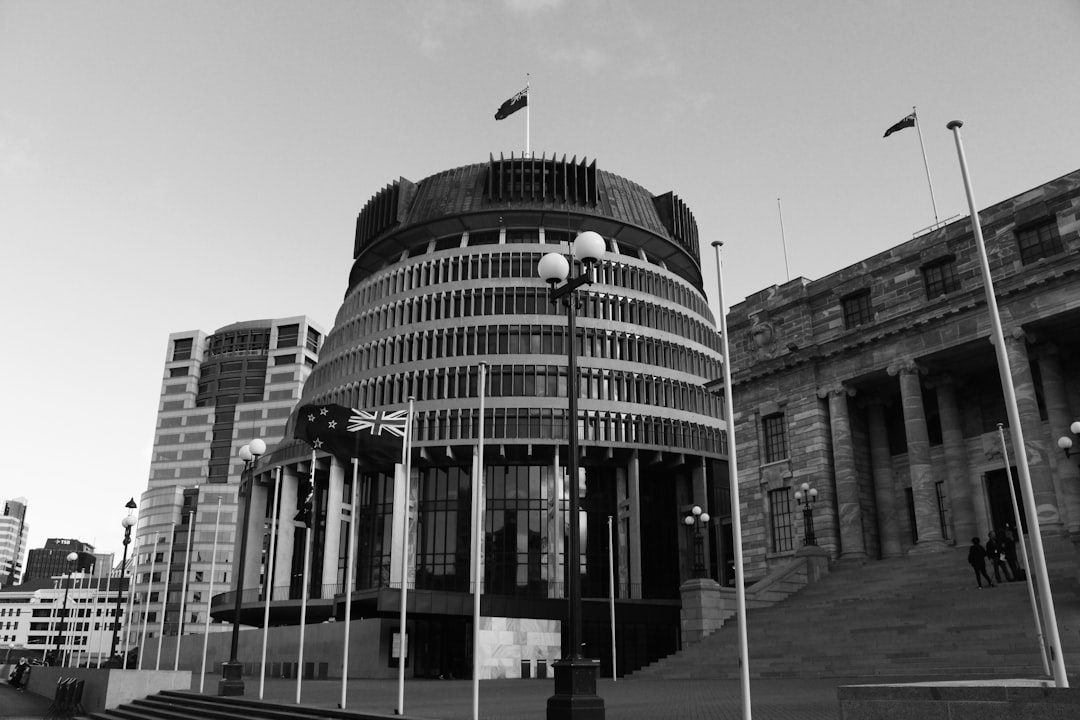
New Zealand's governing National Party has plummeted to just 26.5% in the latest Roy Morgan poll, a catastrophic result that would see Christopher Luxon's government wiped out if replicated at an election.
The poll, released Tuesday, shows the coalition government in freefall barely 18 months after taking office. Meanwhile, The Opportunities Party (TOP) has surged to 4%, crossing the threshold for parliamentary representation for the first time.
This is a political earthquake across the ditch. National's result is their worst polling since the party's formation, suggesting the coalition's austerity measures and aggressive public service cuts have become politically toxic.
The numbers are devastating for Luxon. If an election were held today, National would lose roughly 20 seats, making them unviable as a governing party even with coalition partners ACT and New Zealand First combined.
The poll suggests New Zealand voters are rejecting the coalition's economic agenda wholesale. Since taking office, the government has implemented widespread job cuts across the public sector, slashed spending on social services, and pursued what critics call "austerity by ideology."
The timing couldn't be worse. With the Iran crisis driving up fuel and construction costs, New Zealanders are experiencing economic pain just as government services are being cut. It's a brutal combination that's destroying National's credibility as economic managers.
TOP's breakthrough to 4% is equally significant. The centrist party, focused on evidence-based policy and tax reform, is capturing voters disgusted with both major parties. If they maintain this level, New Zealand's political landscape could fragment significantly.
Labour, while not shown in this excerpt, would benefit enormously from National's collapse. The centre-left party was decimated in the last election but appears to be recovering as voters reassess the coalition experiment.
The Pacific dimension matters here too. 's government has cut foreign aid and reduced engagement with neighbors, ceding influence to . If the government falls, expect a hard reset on regional diplomacy.