New Zealand's Green Party has drawn a member's bill in Parliament that would prohibit mining on public conservation land, Radio New Zealand reports.
The proposal comes as the coalition government explores opening protected areas to resource extraction, setting up a battle over environmental protection versus economic development that defines modern New Zealand politics.
Mate, this is the fight that matters. New Zealand has built a global brand on its clean, green image. Now we find out if that's genuine or just marketing.
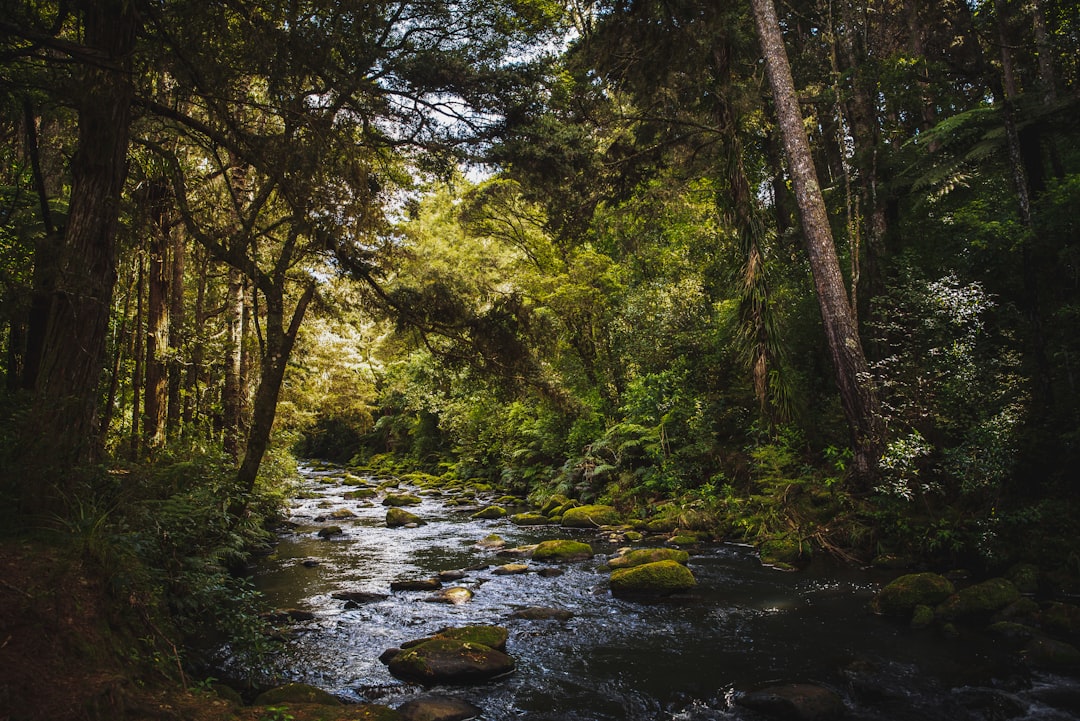
The Greens' bill would permanently ban mining operations on the country's extensive conservation estate, which covers about one-third of New Zealand's land area. That includes national parks, reserves, and other protected lands that contain some of the country's most pristine wilderness.
The coalition government, led by the National Party, has signaled interest in loosening restrictions on mining in protected areas, arguing that New Zealand needs to develop its mineral resources for economic growth. They point to global demand for minerals used in green technology—lithium, rare earths, copper—as justification for reconsidering conservation protections.
But environmentalists call that argument cynical greenwashing. Mining operations cause permanent environmental damage, they note, and New Zealand's tourism industry—worth billions annually—depends on maintaining those pristine landscapes.
The bill's chances of passing are slim. Member's bills are drawn by lottery and face long odds in Parliament, especially when opposed by the government. But the Greens are using it to draw a clear line in the political sand ahead of future elections.
For , the stakes go beyond one piece of legislation. The country has positioned itself internationally as a climate leader and environmental exemplar. Mining its conservation lands would shatter that image—and potentially cost more in lost tourism and brand damage than it gains in mineral revenues.