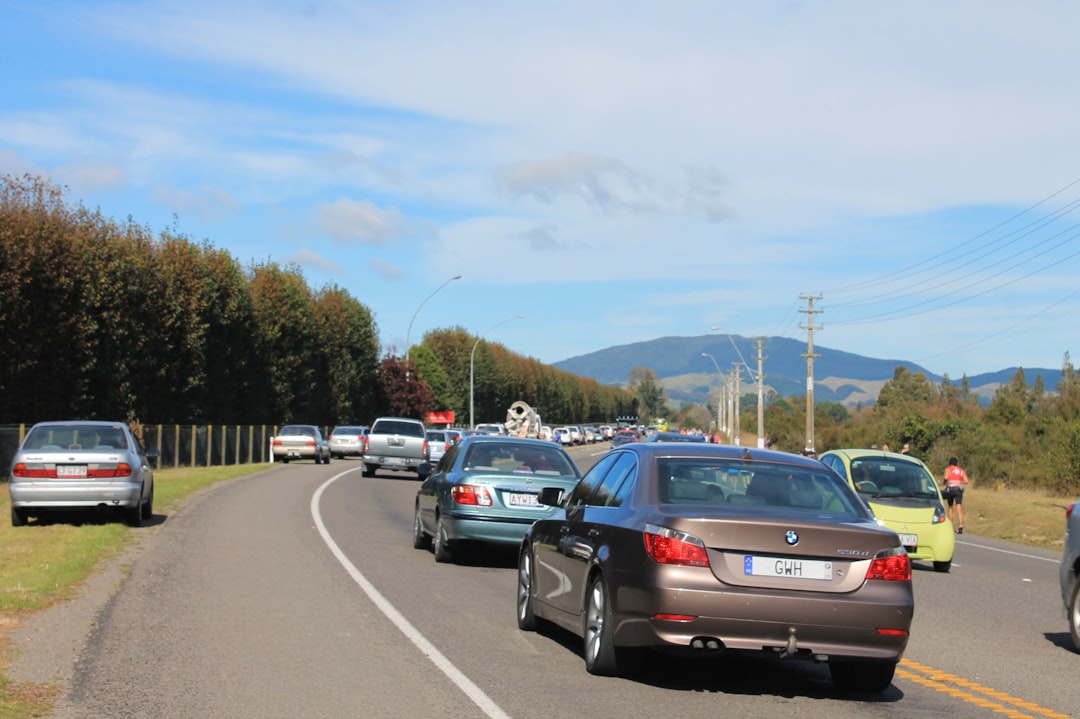
New Zealand has revealed the details of its four-phase fuel rationing plan as the nation confronts its most serious energy security crisis in decades, with diesel stocks dropping to just 18 days of in-country supply.
Finance Minister Nicola Willis outlined the escalating measures Wellington will deploy if the crisis worsens. The plan starts with public awareness campaigns and escalates to strict government control of fuel distribution, with life-preserving services getting priority access at the higher alert levels.
According to RNZ, the National Fuel Plan operates on four phases, from voluntary conservation to mandatory allocation. At Phase 3, fuel would be prioritized for "life-preserving services" — emergency services, hospitals, and critical infrastructure.
One notable exception: schools remain open at all phases. "We do not want to see children forced to learn from home," Willis said, a pointed reference to the pandemic-era disruptions.
The crisis stems from the Middle East conflict disrupting global fuel supplies and Pacific shipping routes. Current stocks show 24.5 days of petrol, but just 18.1 days of diesel in-country. That's cutting it fine for a nation that imports virtually all its fuel.
Mate, this is what energy security looks like when you're a small Pacific nation at the end of the world's longest supply chain. New Zealand has always been vulnerable to global disruptions, but the combination of Middle East conflict and increased Pacific maritime tensions has exposed just how precarious the situation is.
Labour leader Chris Hipkins backed the conservation push, noting that reducing demand now could prevent more drastic measures later. But the real question is whether Wellington has a long-term strategy beyond hoping the crisis passes.