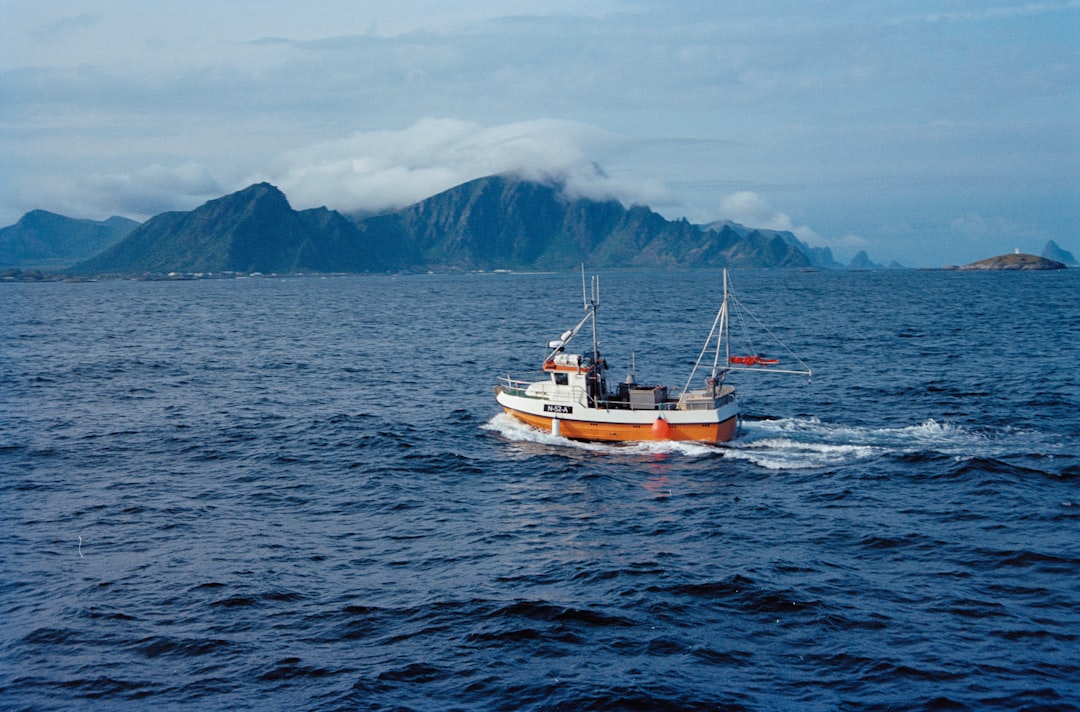
New Zealand's government is pushing ahead with controversial fisheries reforms that would remove minimum size limits for commercial fishing, a move environmental groups say could devastate fish populations and undermine decades of conservation efforts.
The proposed legislation, reported by the New Zealand Herald, would eliminate regulations requiring commercial fishers to release undersized snapper and other species. Currently, these minimum size limits allow juvenile fish to mature and reproduce before being caught, a basic principle of sustainable fisheries management.
The National-led government argues the changes would reduce regulatory burden on the fishing industry and allow more flexible management approaches. Fisheries Minister Shane Jones, known for his combative relationship with environmental groups, has championed deregulation as part of the coalition's broader agenda.
Mate, this is what happens when you let industry lobbyists write policy in a back room somewhere in Wellington.
Marine scientists are alarmed. Minimum size limits exist because they work. Allowing commercial operations to harvest juvenile fish before they've reproduced once threatens the breeding stock that sustains fisheries over time. It's basic biology that even first-year ecology students understand.
New Zealand built its international reputation partly on sustainable resource management. The country's Quota Management System for fisheries, introduced in 1986, was once held up as a model for balancing commercial interests with conservation. These proposed changes would represent a significant retreat from that approach.
The fishing industry argues that existing regulations are unnecessarily restrictive and that modern fishing techniques allow for sustainable harvesting even without size limits. Industry representatives say they have a vested interest in maintaining healthy fish stocks and wouldn't overfish.
That argument rings hollow to recreational fishers and environmental groups who've watched commercial operations push multiple species to the brink over the decades. 's orange roughy fishery collapsed in the 1980s and 1990s due to overfishing. Scallop beds have been decimated in multiple regions. Trust in industry self-regulation is not exactly abundant.