
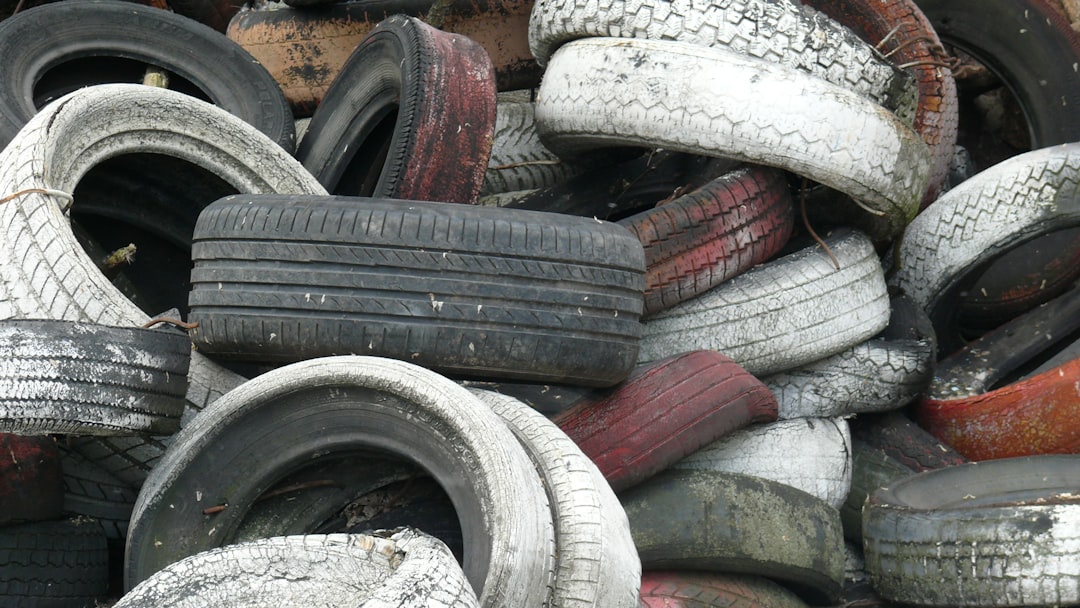
New Zealand has laid its first full rubber road made from recycled tyres in Glentunnel, Selwyn district, Canterbury, as local councils pioneer sustainable infrastructure solutions that could be rolled out nationwide.
The trial on Glentunnel Domain Road tests three different approaches: rubber chips alone, rubber mixed into bitumen, and a combination of both methods. The product, manufactured by Treadlite, diverted 29 tonnes of recycled tyres—approximately 1,797 truck tyres—from landfills and prevented 20-30 tonnes of carbon emissions that would have resulted from incineration, RNZ reports.
Selwyn District Council's Steve Guy said the rubber-based surface was "longer lasting and cheaper over its lifetime despite a higher upfront cost." Additional benefits include quieter road surfaces and reduced bitumen imports—addressing New Zealand's annual challenge of over 6 million end-of-life tyres and 180,000 tonnes of imported bitumen.
Mate, this is the kind of practical sustainability that actually makes sense. Take a waste problem, turn it into infrastructure, save money long-term. No greenwashing, just good policy.
Selwyn Mayor Lydia Gliddon is advocating for implementation across New Zealand, while Treadlite operations manager Richard Upperton indicated the company has capacity to produce "hundreds of kilometres" if demand increases.
The innovation positions New Zealand among a small group of countries seriously addressing tyre waste through infrastructure reuse. Similar projects in Australia, the , and parts of have demonstrated durability and environmental benefits, though adoption remains limited globally.