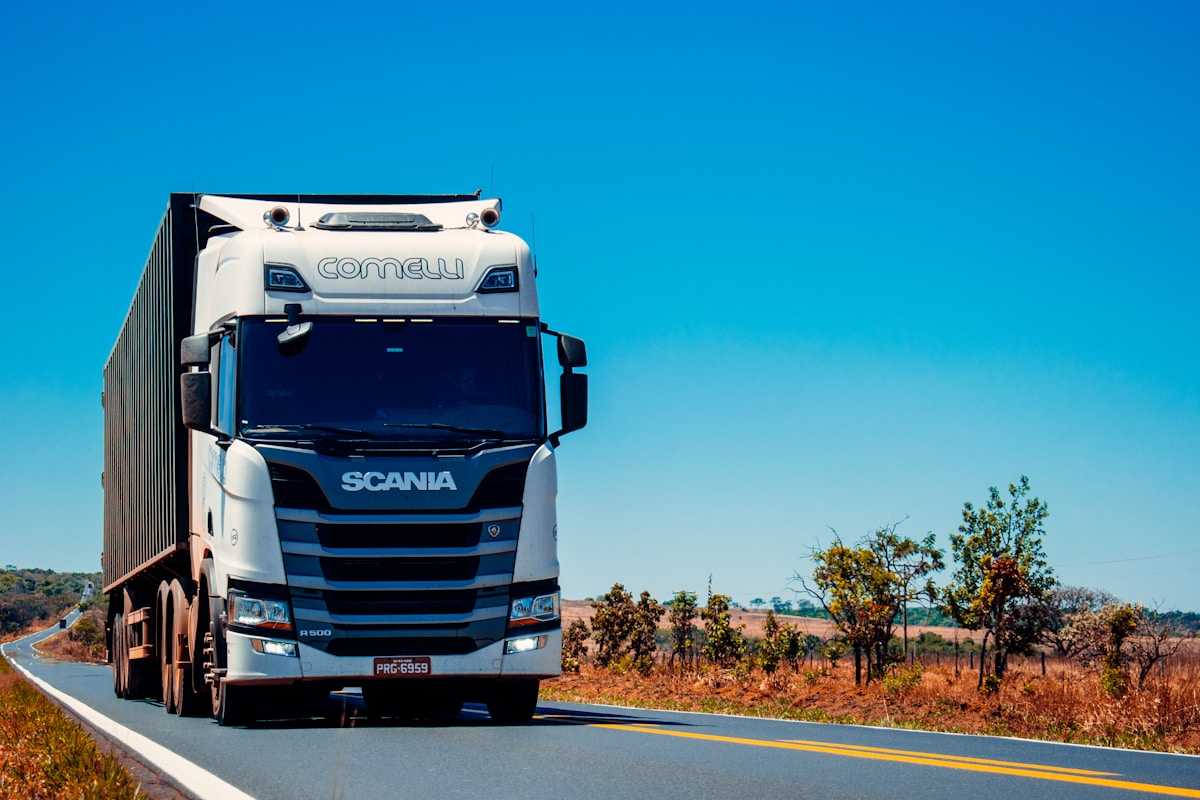
The New Zealand government is moving to reduce regulations on heavy vehicles as part of its response to rising fuel costs hammering the transport sector, RNZ reports, raising immediate questions about whether Wellington is sacrificing road safety for short-term economic relief.
The proposed regulatory rollback would ease restrictions on vehicle weights, operating hours, and maintenance schedules — measures that were implemented over decades following fatal accidents and industry safety reviews.
Transport Minister officials argue the changes are temporary responses to an extraordinary fuel price spike that's threatening to bankrupt transport companies and drive up costs across the economy. Fuel represents up to 40% of operating costs for heavy transport, and recent price increases have pushed many operators into financial distress.
But here's the tension: those regulations weren't arbitrary bureaucratic interference. They were written in blood, implemented after specific accidents where overloaded trucks or exhausted drivers killed people. New Zealand's roads are notoriously dangerous — narrow, winding, and shared by tourists, commuters, and massive logging trucks — and heavy vehicle accidents are consistently among the deadliest.
Road safety advocates have responded with alarm, warning that relaxing weight limits increases stopping distances and road damage, while extending driving hours raises fatigue-related accident risks. The AA and several safety organizations have called for economic support for transport operators instead of regulatory rollback.
Mate, this is the classic tension in policy: immediate economic pain versus longer-term safety risks. The government is gambling that temporary regulatory relief will ease cost pressures without causing accidents, while critics argue you can't selectively pause safety without consequences.
The fuel price spike driving this response stems from multiple factors: Middle East supply disruptions, refining capacity constraints, and New Zealand's geographic isolation, which means the country pays premium prices for imported fuel. Unlike Australia, New Zealand has limited domestic refining capacity and depends heavily on imports.
The transport industry employs about 100,000 people in New Zealand and is critical to an economy dependent on agricultural exports. When transport costs spike, it ripples through the entire economy, hitting groceries, exports, and construction materials.
Several Pacific Island nations face similar fuel challenges, though they lack the regulatory infrastructure New Zealand is now considering loosening. Fiji, Vanuatu, and Samoa pay even higher fuel prices relative to incomes, with limited policy options for relief.
The question facing Wellington is whether there's a third option between regulatory rollback and economic collapse — perhaps direct subsidies, fuel tax relief, or support for transitioning to alternative fuels. The current approach suggests the government believes loosening safety rules is easier than finding money for direct support.
The regulatory changes are expected to be finalized within weeks, with implementation potentially beginning by mid-year. Road safety statistics for the following period will be watched closely.