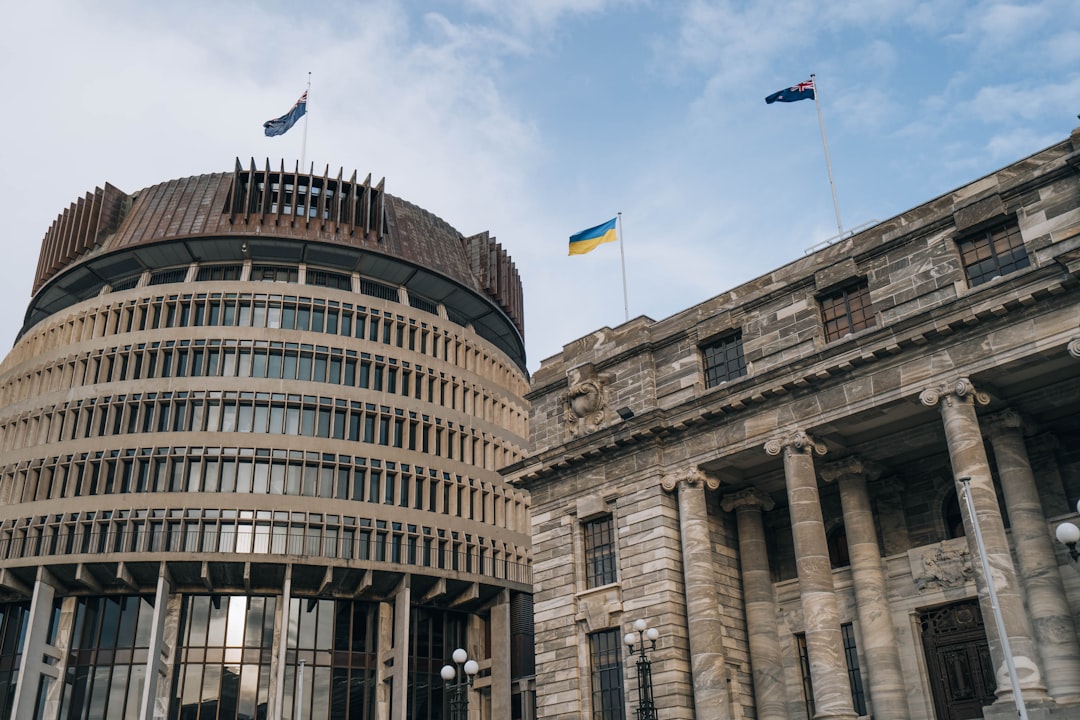
Coalition support in New Zealand has hit its lowest point since the election, with most Kiwis believing the country is "heading in the wrong direction," according to new polling from Stuff.
The numbers represent a sharp rebuke of the National-ACT-NZ First government after just over a year in power. It's the kind of political turbulence that can reshape election prospects - and it's happening while Australia watches closely from across the Tasman.
The poll details paint a grim picture for Prime Minister Christopher Luxon and his coalition partners. Voter dissatisfaction appears to be driven by a combination of cost-of-living pressures, policy reversals, and growing frustration with coalition management. The "wrong direction" metric is particularly damaging - it suggests voters aren't just unhappy with specific policies, but with the government's overall trajectory.
New Zealand's three-party coalition was always going to be complicated. National, ACT, and NZ First represent different ideological strains of the centre-right and populist spectrum. National wanted economic reform and fiscal responsibility. ACT pushed for more aggressive deregulation and libertarian policies. NZ First, led by veteran political operator Winston Peters, demanded infrastructure spending and a harder line on immigration.
Keeping those factions aligned was never going to be easy. And increasingly, it looks like the government isn't managing it.
The cost-of-living crisis hasn't helped. New Zealand, like Australia, has been hammered by inflation, rising interest rates, and squeezed household budgets. Grocery prices remain stubbornly high. Housing affordability continues to deteriorate. And voters, understandably, are asking what the government is doing about it.
Policy reversals have also damaged credibility. The coalition came to power promising change - particularly around taxation, regulation, and infrastructure. But delivering on those promises has proven harder than campaign speeches suggested. Some policies have been watered down. Others have been quietly shelved. And voters notice when governments don't deliver.