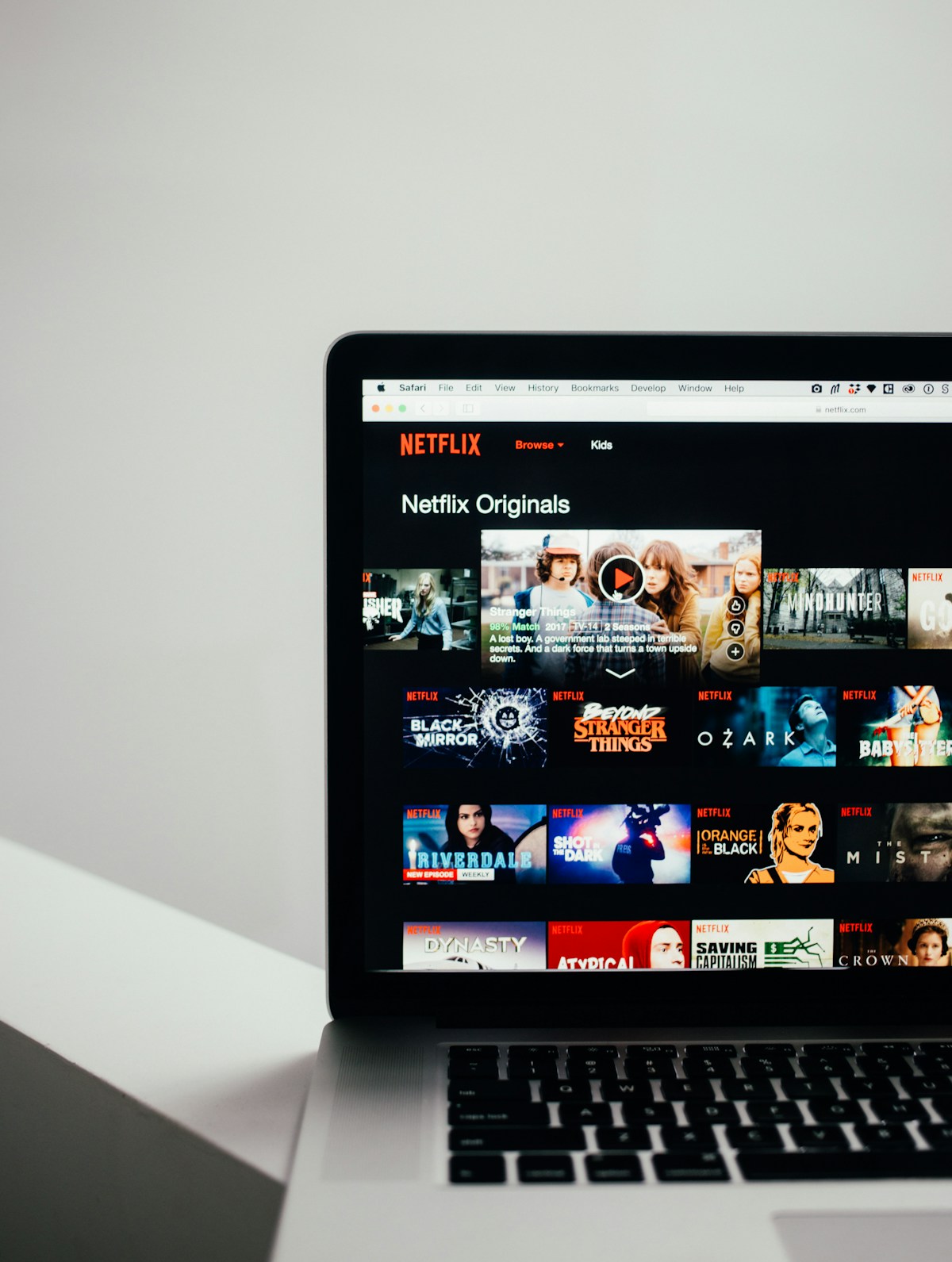

In Hollywood, nobody knows anything—except me, occasionally. And what I know is this: Netflix just proved it's the smartest company in entertainment by walking away from Warner Bros. Discovery.
The streaming giant officially withdrew its bid to acquire WBD late Wednesday, clearing the path for Paramount Global and Skydance Media to complete what would be the largest media merger since Disney swallowed Fox. WBD's board deemed Paramount's offer "superior" to Netflix's, triggering a four-day matching period that Netflix declined to exercise.
Here's what's actually happening: Hollywood's old guard is collapsing into itself while Netflix watches from the sidelines, content library intact, brand unsullied by the debt-soaked corpse of legacy media.
The Paramount-Skydance consortium is taking on WBD's $40 billion in debt, its crumbling linear TV business (CNN, TNT, TBS), and the Sisyphean task of making Max relevant in a market Netflix already owns. They're also inheriting David Zaslav, who has spent the last two years strip-mining WBD for parts, canceling finished films for tax write-offs, and systematically destroying HBO's reputation for quality.
Netflix, meanwhile, gets to keep doing what it does best: spending money it actually has on content people actually watch. No Turner Sports contracts bleeding cash. No CNN slowly dying on cable. No integration nightmares or antitrust headaches.
The proposed megamerger would unite Paramount's CBS, Showtime, and Paramount+ with WBD's HBO, CNN, Discovery, and Warner Bros. film studio—creating a content behemoth with more IP than it knows what to do with. Harry Potter and Star Trek under one roof. The DC Universe and Mission: Impossible sharing a balance sheet. It sounds impressive until you remember that more content doesn't solve the fundamental problem: nobody wants to pay for nine streaming services.
This merger isn't about strength. It's about survival. Two struggling media giants clinging to each other in the hope that combined, they might weigh enough to matter in a world Netflix built. Paramount has been hemorrhaging money on Paramount+, which has decent content (shoutout to ) but can't break through in a market dominated by Netflix, Disney+, and increasingly, Amazon.