Ten days in the Himalayas. Unbelievable mountain views. Total cost: under $200.
That's not a typo. While Everest Base Camp and Annapurna Circuit dominate the trekking conversation - and the budget - Nepal's Langtang Valley delivers world-class Himalayan experiences at backpacker prices.
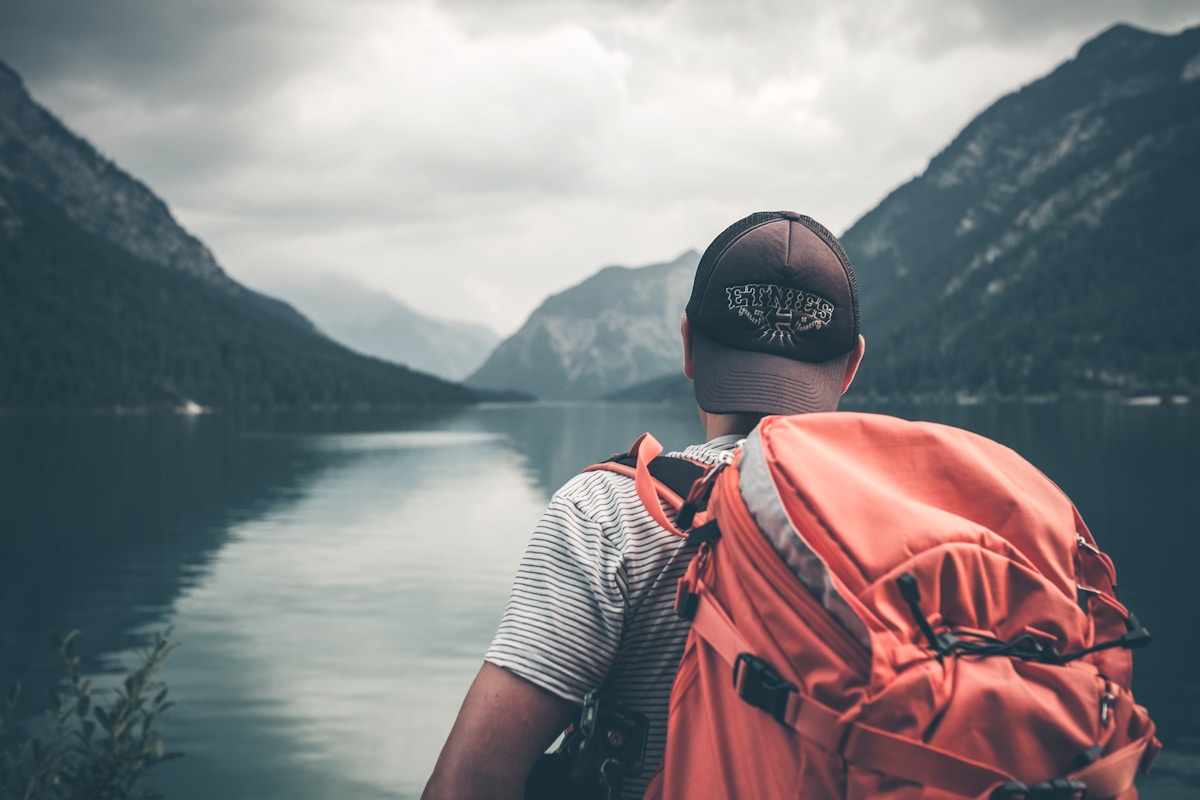
A solo trekker's recent trip report is drawing attention from budget travelers tired of being priced out of mountain adventures. "May not have the name-brand recognition of EBC and co., but unbelievable views on a backpacking budget," they wrote.
The math is straightforward: accommodation in Langtang Valley teahouses runs $2-5 per night. Meals cost $3-6. The permit fees are minimal compared to more famous treks. No expensive guides or porters required if you're comfortable navigating well-marked trails. For 10 days, the total comes in under $200 including transportation from Kathmandu.
Compare that to Everest Base Camp, where similar timelines typically run $1,000-1,500 when you factor in permits, flights to Lukla, higher teahouse costs in tourist-heavy areas, and the near-necessity of guides given the altitude and remoteness.
Langtang Valley sits at lower elevations than EBC, making altitude sickness less of a concern for most trekkers. The highest point, Kyanjin Ri, reaches about 4,773 meters (15,660 feet) - high enough for spectacular views, low enough that most reasonably fit people can handle it without extensive acclimatization.
The valley was devastated by the 2015 earthquake, which killed hundreds and destroyed entire villages. Recovery has been slow but steady, and tourism dollars directly support reconstruction efforts. Trekkers report that villagers are incredibly welcoming, and the teahouse network has largely been rebuilt.
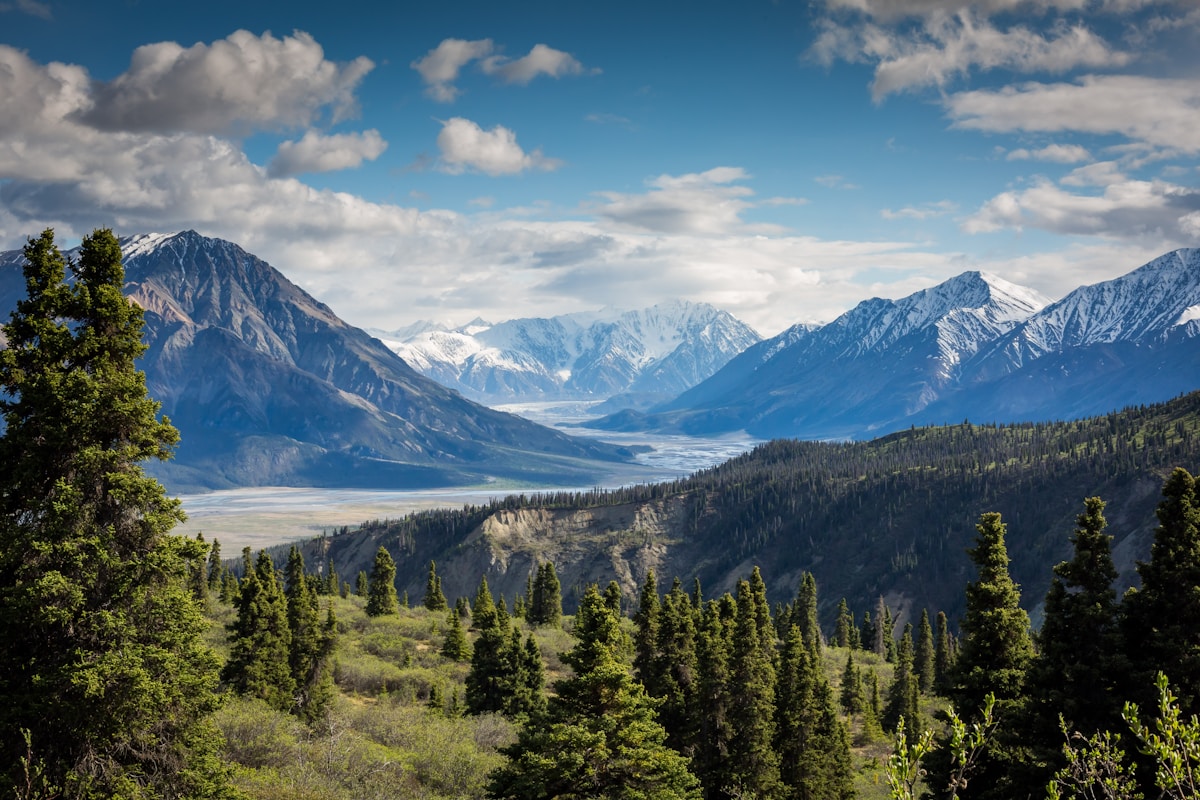
The scenery delivers what most people come to Nepal seeking: snow-capped peaks, glaciers, alpine forests, traditional villages, and that overwhelming sense of being in one of the most spectacular mountain ranges on Earth. The classic route runs from Syabrubesi to Kyanjin Gompa and back, with optional side trips to Kyanjin Ri for sunrise views or Tserko Ri for even higher perspectives.
The catch - if you can call it that - is infrastructure. Langtang has fewer teahouses than more popular treks, meaning less choice in accommodation and food. Wi-Fi is spotty to non-existent. English proficiency is lower. The trail sees fewer trekkers, which is either a pro or con depending on whether you want solitude or company.
For solo trekkers especially, the lower traffic can feel lonely. Unlike the Annapurna Circuit where you're constantly meeting other travelers, Langtang days can pass with minimal social interaction. For some, that's the appeal. For others, it's isolating.
Practical considerations: The trek is moderate difficulty - not technical, but long days with significant elevation gain. Spring (March-May) and autumn (September-November) are ideal weather windows. Winter is possible but cold. Monsoon season (June-August) is not recommended due to leeches, rain, and landslide risk.
Gear can be rented cheaply in Kathmandu or Pokhara. A sleeping bag, good boots, and layers are essential. Water purification is necessary as bottled water becomes environmentally irresponsible and expensive at altitude.
The best travel isn't about the destination - it's about what you learn along the way. And Langtang Valley teaches an important lesson: the best experiences often aren't the most famous or expensive ones. Sometimes the most rewarding path is the one fewer people take.