

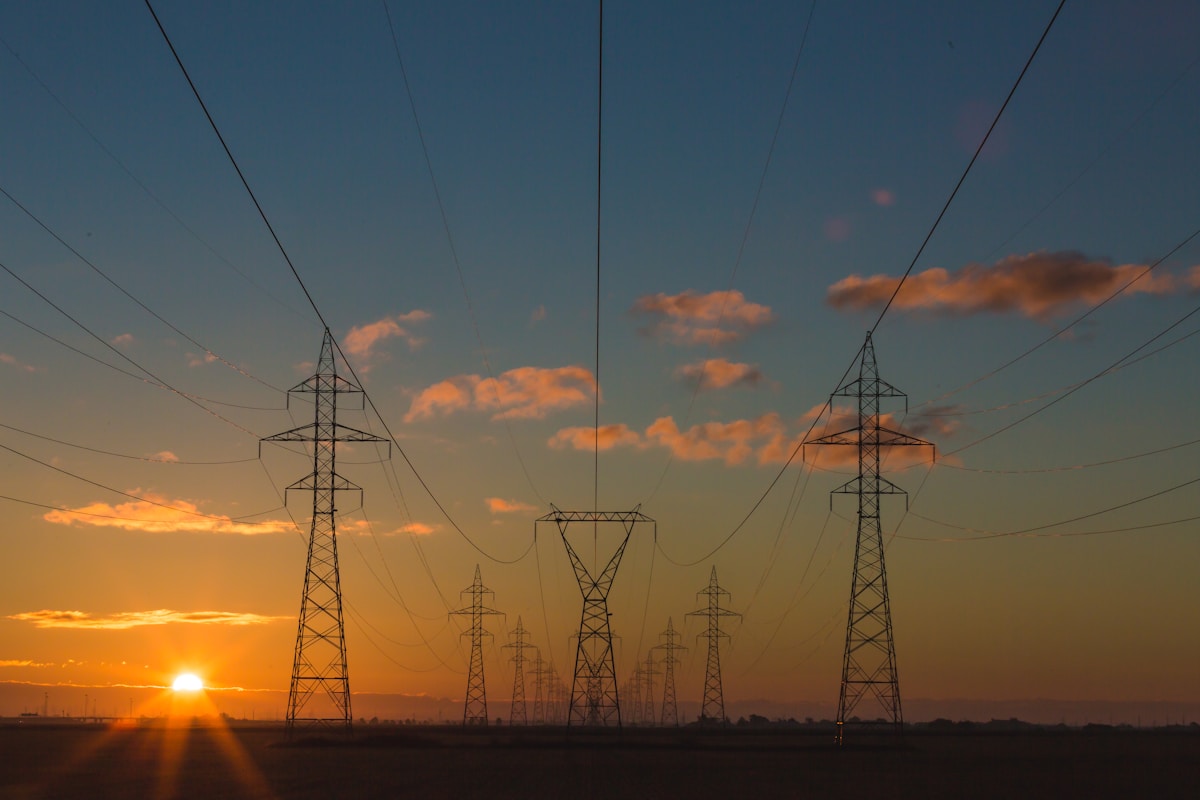
After decades of crippling power cuts and dependency on imported fuel, Nepal has reached a remarkable milestone: households across the country are abandoning gas cylinders in favor of electricity generated entirely from the nation's own rivers.
"Feels so good to finally switch to 100% power coming from our own great rivers," wrote one Kathmandu resident on social media this week, capturing a sentiment shared by millions of Nepalis who remember when daily life revolved around scheduled blackouts.
The transformation has been swift and dramatic. Just five years ago, Nepal faced load-shedding—planned power cuts—of up to 18 hours per day during dry seasons. Households depended on liquefied petroleum gas (LPG) cylinders imported from India for cooking, a costly and environmentally damaging necessity.
Today, Nepal generates more electricity than it consumes, all from hydropower. The country has become energy independent, a remarkable achievement for a nation of 30 million people nestled in the Himalayas.
The economic impact for ordinary families has been immediate and substantial. The Kathmandu resident who posted about the switch reported saving Rs. 1,500 ($11) monthly by no longer purchasing gas cylinders. For a country where per capita income is around $1,400 annually, that's nearly 1% of average yearly income saved each month.
"Not only that, I'm now saving Rs. 1,500 on gas, not polluting my kitchen with PM 2.5 and NO2, and not exposing my child to a greater risk of asthma," the resident wrote. "And don't have to carry the cylinders up three floors."
The comment about carrying cylinders resonates with anyone who has lived in Nepal's multi-story buildings without elevators. LPG cylinders weigh 14.2 kilograms when full—nearly 32 pounds—and delivering them required physical labor that often fell to women or elderly family members.
Nepal's hydropower transformation has been decades in the making. The country possesses theoretical hydropower potential of 83,000 megawatts, second only to Brazil among developing nations. Yet for years, bureaucratic delays, corruption, and lack of investment meant that potential remained untapped.
The breakthrough came through a combination of factors:
Domestic investment: Nepal's government finally streamlined approval processes for hydropower projects, allowing domestic developers to move forward with medium-sized plants.
Foreign partnerships: Chinese and Indian companies invested in larger projects, including the 456-megawatt Upper Tamakoshi project, which came online in 2021 and dramatically increased Nepal's generation capacity.
Regional cooperation: Nepal began exporting excess power to India during monsoon seasons, generating revenue that funds further development.
Grid improvements: Investments in transmission infrastructure reduced power loss and improved reliability, making electricity a viable alternative to gas.
The environmental benefits extend beyond individual households. Nepal is extraordinarily vulnerable to climate change—its Himalayan glaciers are melting rapidly, threatening long-term water security. Reducing dependence on imported fossil fuels cuts both emissions and the country's carbon footprint.
"This is what sustainable development looks like," said Kul Chandra Gautam, a former United Nations official from Nepal. "We're using our natural resources—flowing water—to replace imported fossil fuels. It improves lives, saves money, and protects the environment."
The transition hasn't been entirely smooth. Many households still keep one gas cylinder as backup for when electricity fails, reflecting lingering distrust born of decades of unreliable power. And Nepal's electricity remains dependent on monsoon rainfall; during dry seasons, generation capacity drops, though not to levels requiring load-shedding.
Rural electrification also remains incomplete. While urban areas and major towns enjoy 24-hour power, some remote villages still lack grid connections. The government has pledged universal electrification by 2030, leveraging mini-hydro projects and solar installations for areas beyond the national grid.
But for the vast majority of Nepalis, the transformation is already complete. Markets that once displayed rows of LPG cylinders now see them gathering dust. Induction cooktops have become standard in new kitchens. And families no longer structure their days around when electricity will be available.
The psychological impact may be as significant as the economic one. For years, load-shedding symbolized Nepal's inability to meet its citizens' basic needs. Businesses couldn't operate, students couldn't study, and hospitals struggled to function. The end of power cuts represents national competence in a way few government achievements can match.
"My children don't even know what load-shedding was," said Binita Shrestha, a teacher in Pokhara. "That alone tells you how much has changed."
Nepal's success offers lessons for other developing nations rich in renewable resources but poor in infrastructure. The transformation required political will, yes, but also patience and incremental progress. It took 15 years from initial investment to today's surplus, with many setbacks along the way.
The country now eyes even more ambitious goals: becoming a regional power hub, exporting electricity to Bangladesh and beyond, and using cheap domestic power to attract manufacturing investment.
"This is just the beginning," said Kulman Ghising, the managing director of Nepal Electricity Authority who became a national hero for his role in ending load-shedding. "Nepal's rivers can power not just our homes, but our entire economy."
A billion people aren't a statistic—they're a billion stories. For 30 million Nepalis, the story is now written in reliable electricity, cleaner air, and the simple dignity of not having to haul gas cylinders up the stairs.


