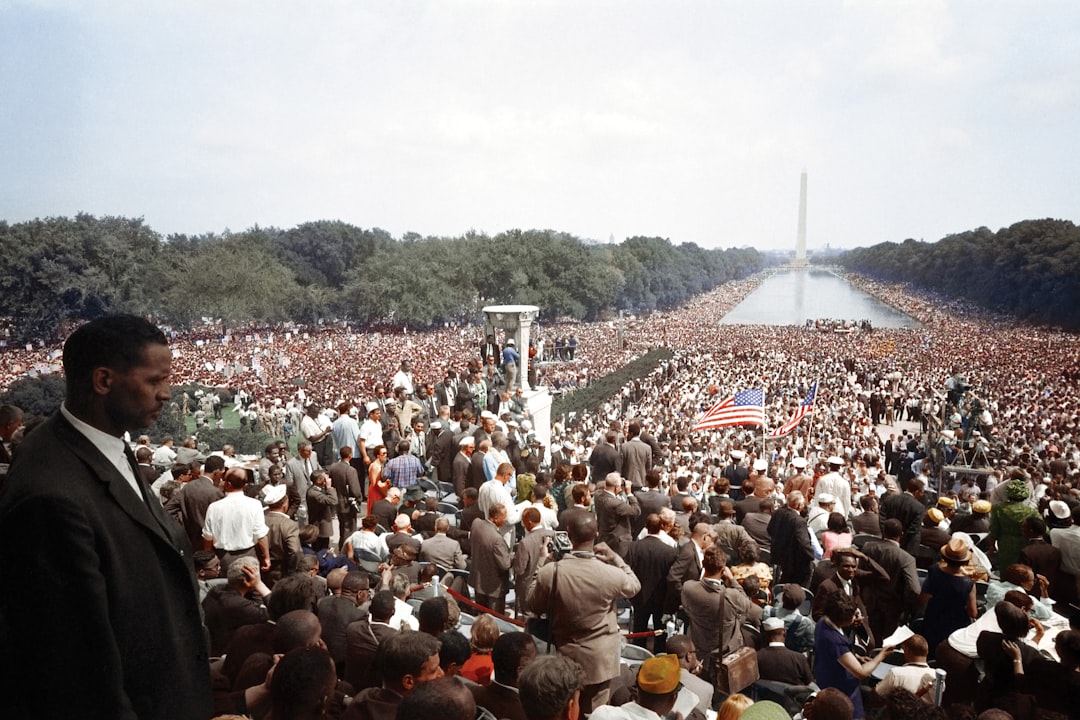
Organizers are preparing for what could be one of the largest coordinated protest movements in American history, with more than 3,000 events scheduled across all 50 states on Friday, March 28, under the banner "No Kings Day."
The demonstrations, according to event organizers, represent a broad coalition of concerns ranging from executive overreach and democratic norms to specific policy grievances affecting different regions of the country. From Seattle to Miami, from Anchorage to Honolulu, Americans are planning to take to the streets in a display of civic engagement that crosses traditional partisan and geographic divides.
Unlike previous nationwide protest movements that coalesced around single issues, the No Kings demonstrations reflect region-specific priorities while sharing a common theme of governmental accountability. In Pennsylvania and Michigan, organizers report that concerns about economic policy and manufacturing jobs are driving turnout. In Arizona and Nevada, immigration enforcement practices top the agenda. Coastal states are seeing mobilization around environmental regulations and federal land management.
"This isn't a Washington story—it's a Main Street story," said Maria Gonzalez, a community organizer in Phoenix coordinating events in the Southwest. "People in different parts of the country have different immediate concerns, but we all share a belief that no one is above accountability."
The protests' geographic breadth is particularly notable. In traditionally conservative states like Wyoming and , organizers report that ranchers and rural residents concerned about federal land policies are planning to participate alongside progressive activists. In and , voting rights advocates are joining forces with labor organizers.