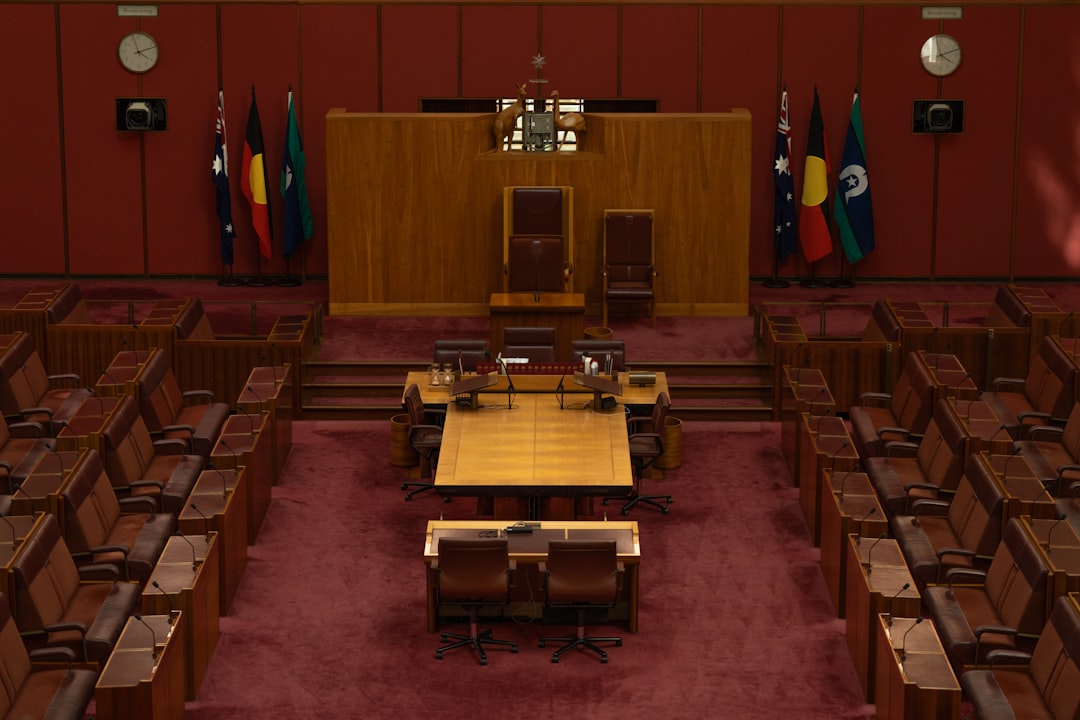
The Nationals have sent a counteroffer to Liberal leader Sussan Ley for reuniting the Coalition, but one Nationals MP admits they don't expect it will be acceptable to the Liberals.
The standoff, reported by the ABC, threatens to leave Australia's conservative opposition fractured as elections approach - a situation unprecedented in modern Australian politics.
The Coalition between the Liberal and National parties has been the foundation of conservative governance in Australia for decades. The partnership brings together urban and regional interests, allowing conservatives to compete with Labor across diverse electorates.
But the marriage has been deteriorating for years. Urban Liberals and rural Nationals increasingly disagree on climate policy, coal mining, agricultural subsidies, and regional development. What once felt like complementary interests now looks more like fundamental incompatibility.
Ley set a deadline for the Nationals to accept terms for reunion or face an all-Liberal opposition frontbench. The Nationals' counteroffer is essentially a bid for more time and better terms - but the expectation among Nationals MPs is that it won't fly.
Mate, when your own team is making offers they know will be rejected, you're not negotiating - you're managing the optics of a breakup.
The tensions reflect deeper shifts in Australian conservatism. The Liberals are increasingly dominated by socially moderate, economically conservative urban members. The Nationals remain rooted in regional Australia, where coal mining jobs, agricultural policy, and skepticism of climate action define political identity.
These aren't differences that can be papered over with ministerial positions and portfolio allocations. They're about what the conservative movement in Australia actually stands for.
The political stakes are massive. A divided conservative opposition hands enormous advantages to Labor. Without the National party's regional seats, the Liberals struggle to build a parliamentary majority. And without the Liberal party's resources and urban appeal, the Nationals risk becoming a permanent minor party.
But neither side seems willing to compromise on the issues that matter most to their respective bases. The Coalition might survive this round of negotiations, but the fundamental tensions aren't going anywhere.
Political observers are watching closely to see if Ley follows through on her threat to appoint an all-Liberal frontbench - a move that would formalize the split and reshape Australian politics for a generation.