
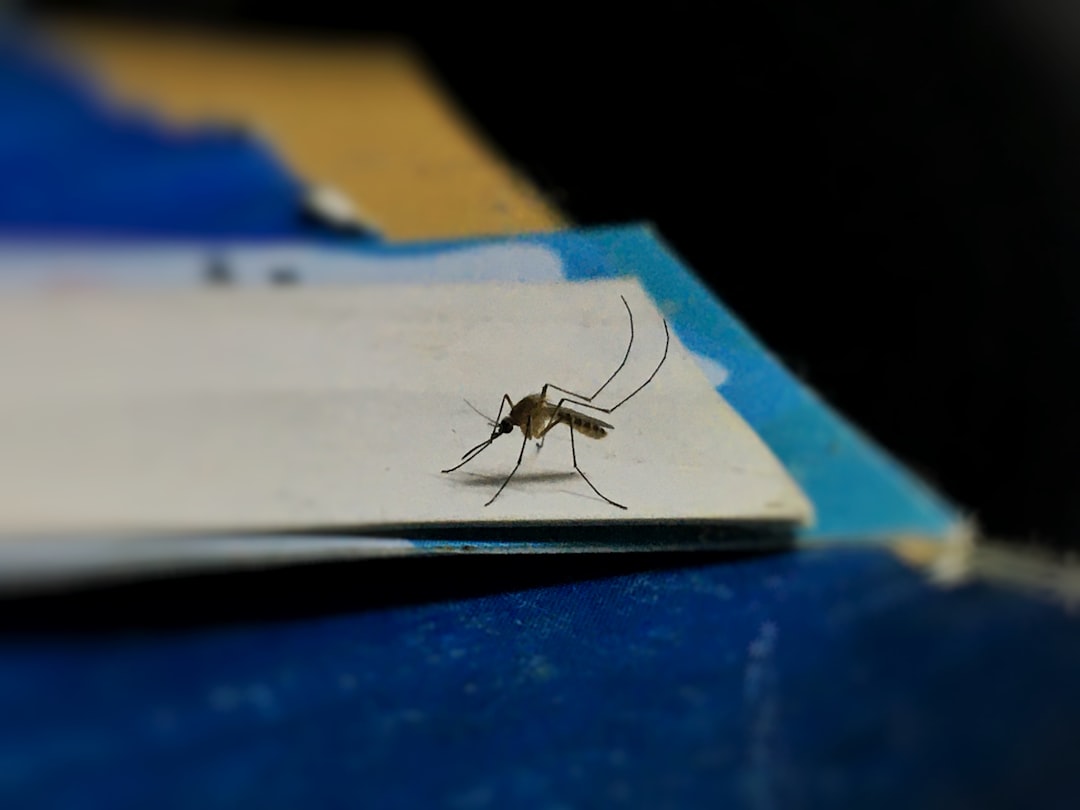
Let's acknowledge the headline first: yes, mosquito butts. But the research is genuinely important, and the mechanism is weirder than you'd expect.
Scientists discovered that mosquitoes receive their "I'm full" signal from their abdomens, not their brains. Specifically, from rectal cells. When Aedes aegypti mosquitoes feed on blood, the satiation signal that makes them stop biting originates in their posterior end and travels forward, rather than being processed centrally in neural tissue.
This matters because Aedes aegypti is the primary vector for dengue, Zika, yellow fever, and chikungunya. These diseases infect hundreds of millions of people annually. Dengue alone causes an estimated 390 million infections per year. Malaria, transmitted by different mosquito species with likely similar feeding mechanisms, kills over 600,000 people annually, mostly children under five in sub-Saharan Africa.
The research published in Science News suggests a novel intervention strategy: instead of trying to kill mosquitoes or repel them, what if we could hack their satiation signal to make them stop feeding before they've consumed enough blood to continue their reproductive cycle?
Most mosquito control focuses on either insecticides (which face resistance problems), genetic modification (which faces regulatory and ecological concerns), or behavioral deterrents like bed nets. This approach would target the peripheral sensory pathway—the rectal cells themselves—rather than the mosquito's brain.
Here's the elegant part: peripheral interventions are often easier to develop and deploy than neural ones. The blood-brain barrier doesn't protect rectal cells. Chemical compounds that might never reach a mosquito's central nervous system could potentially interact with abdominal sensory mechanisms.
Now, the caveats: this is fundamental research. We're at the "we discovered the mechanism" stage, not the "we have a drug candidate" stage. Identifying the specific receptor cells and the chemical signals they respond to will take years. Developing a compound that can safely interfere with those signals without harming other species will take longer. Testing it in field conditions to see if it actually reduces disease transmission is an entirely separate project.