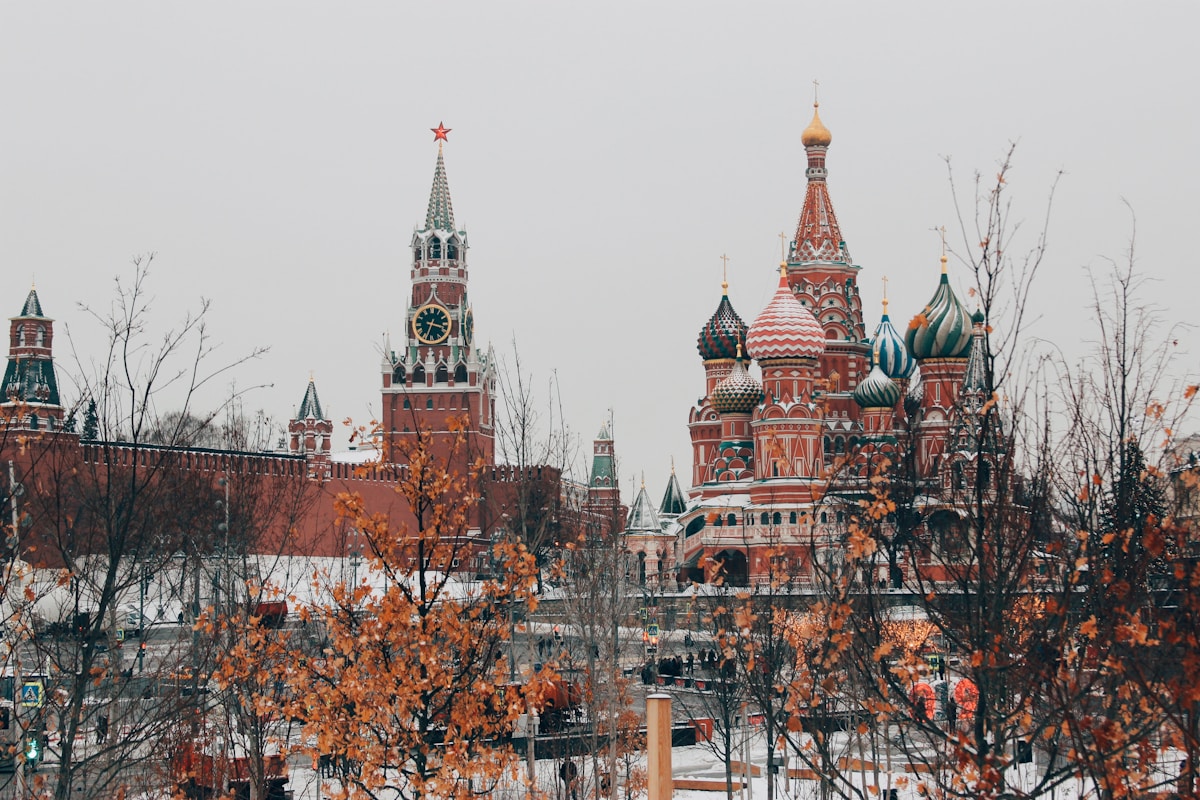
This year's Victory Day parade in Moscow presented a markedly different spectacle from previous commemorations, signaling what analysts describe as a deliberate recalibration of Kremlin messaging as Russia's war in Ukraine enters its fourth year.
According to BBC correspondent Steve Rosenberg, who has covered multiple Victory Day events in Red Square, the 2026 parade felt notably subdued compared to the triumphalist displays of recent years. The annual May 9th celebration, which marks the Soviet victory over Nazi Germany in 1945, has long served as a cornerstone of Russian national identity and a key moment for Kremlin political messaging.
A More Restrained Display
The shift was evident both in scale and tone. While state media maintained its traditional celebratory coverage, Western correspondents and independent Russian observers noted a reduction in the military hardware on display and a change in the rhetoric surrounding the event. This marks a departure from the heavily militarized parades of 2022-2024, when the Kremlin sought to project strength and inevitability in its Ukraine campaign.
President Vladimir Putin's address at the parade emphasized historical sacrifice and national resilience rather than current military operations, a subtle but significant adjustment for those familiar with Kremlin communication patterns. In Russia, as in much of the former Soviet space, understanding requires reading between the lines.
Reading the Political Context
The tonal shift comes at a complex moment for the Russian leadership. Three years of sustained military operations in Ukraine have strained Russia's economy despite official assertions of stability. Western sanctions, while not collapsing the Russian economy as some predicted, have forced painful adjustments in both industrial production and consumer goods availability.
Victory Day has traditionally served dual purposes in post-Soviet Russia: genuine commemoration of the enormous Soviet sacrifice in World War II, which claimed over 27 million Soviet lives, and contemporary political messaging about Russian strength and destiny. The balance between these elements has shifted with each administration's priorities.
Under Putin, the holiday increasingly became a vehicle for projecting military power and drawing historical parallels between the fight against Nazi Germany and contemporary conflicts. The 2015 parade, marking the 70th anniversary of victory, featured massive displays of military hardware. Subsequent years saw the Kremlin explicitly linking the "special military operation" in Ukraine to the Great Patriotic War narrative.
Shifting Domestic Calculations
This year's more measured approach may reflect several domestic calculations. Russian public opinion, while difficult to gauge accurately given the restricted information environment, shows signs of war fatigue even as official support for the government remains high. The Kremlin appears to be recalibrating its messaging to emphasize endurance and sacrifice rather than imminent victory.
Independent Russian media outlets operating from outside the country have reported growing concern among some segments of the Russian public about the war's economic impact and duration, though these sentiments are rarely visible in the controlled domestic media landscape.
Regional responses to Victory Day commemorations also varied more noticeably this year. While Moscow and St. Petersburg saw traditional large-scale events, some regional capitals held more modest ceremonies, reflecting both budgetary constraints and varying levels of local enthusiasm for continued military operations.
Historical Parallels and Divergences
Soviet Victory Day celebrations during the Cold War were massive affairs emphasizing military might and ideological superiority. After the Soviet collapse, the holiday took on more somber, memorial characteristics during the 1990s as Russia grappled with economic crisis and diminished international standing. Putin's restoration of Victory Day as a major state spectacle beginning in the early 2000s was part of a broader effort to rebuild Russian national pride and state capacity.
The current recalibration does not represent a return to the restrained 1990s commemorations, but rather a recognition that the triumphalist messaging of recent years may no longer serve the Kremlin's domestic political needs as effectively. As the war in Ukraine continues without the swift victory initially anticipated, Victory Day messaging must balance maintaining public support with managing expectations.
The shift observed this year suggests the Kremlin is settling in for a prolonged conflict while seeking to maintain domestic cohesion through an emphasis on historical endurance rather than contemporary conquest. For Russia watchers, such adjustments in state ritual and political theater often signal deeper recalculations in leadership thinking, even when official policy statements remain unchanged.