Mortal Kombat II is out in theaters, and the critical response is... exactly what you'd expect when a video game adaptation tries to be both crowd-pleasing spectacle and actual cinema. Which is to say: wildly inconsistent.
The sequel sits at 75% on Rotten Tomatoes with a 50 Metacritic score, which tells you everything about modern film criticism's split personality. Half the critics think Karl Urban bringing his action-star charisma to Johnny Cage elevates the material into genuinely entertaining martial arts cinema. The other half think it's exactly as dumb as a movie about an interdimensional fighting tournament should be—and not in a good way.
IGN gave it an 8/10, calling it "big and loud and gruesome and not afraid to have fun." SlashFilm agreed, praising it as proof the video game movie subgenre is "evolving." Consequence called it "the right kind of stupid."
Then there's the AV Club, which gave it a D+ and described it as "joyless fidelity" that makes you wish you were playing the game instead. ScreenCrush went lower—a 3/10—complaining that death is "meaningless" when characters can be resurrected at will. IndieWire called the whole thing "artistically inert."
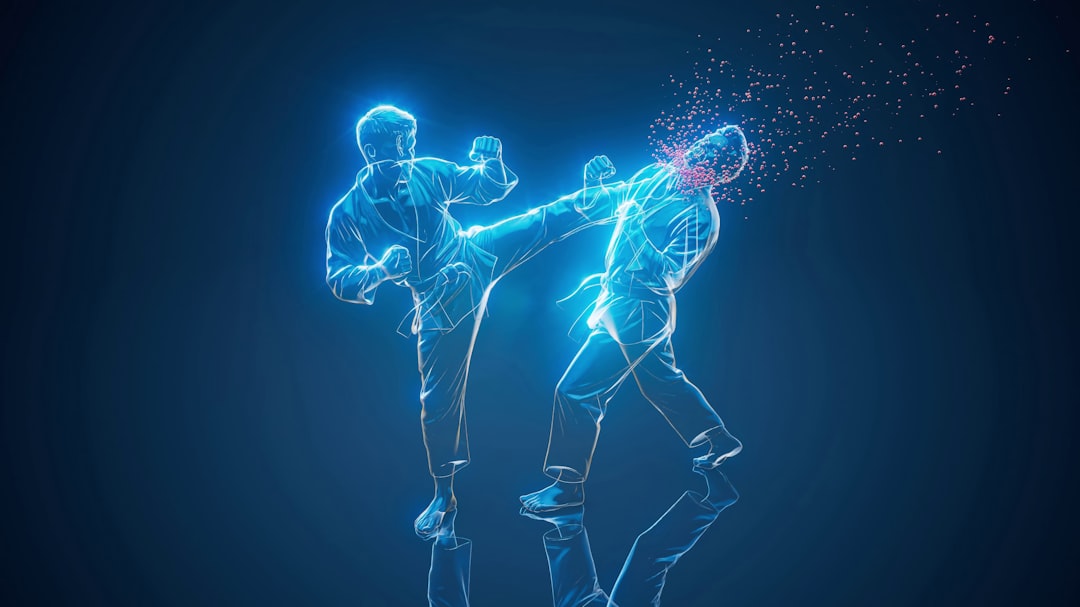
The divide reveals the fundamental problem with adapting fighting games: the source material is intentionally shallow. Mortal Kombat is not The Last of Us. It's not even Fallout. It's a game about ripping people's spines out with elaborate finishing moves. The "story" exists to justify why Sub-Zero and Scorpion are fighting again, and who cares because the fight is awesome.
Director Simon McQuoid doubles down on what worked in the 2021 film: spectacular violence, martial arts choreography that honors Hong Kong cinema traditions, and gore that would make the faint if they weren't already desensitized. brings movie-star wattage to , playing him as part , part , all ego. The tournament actually happens this time, which fans complained was missing from the first film.