

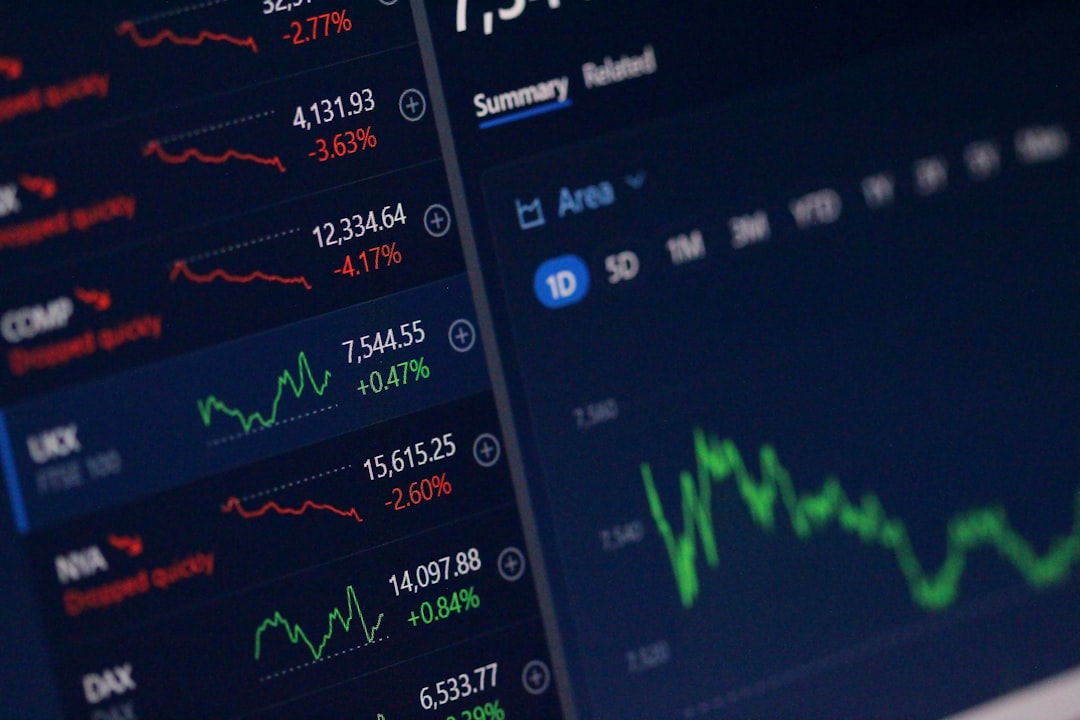
If you're wondering when this market sell-off finally ends, Morgan Stanley has good news and bad news. The good news: They think we're close to the bottom. The bad news: It's probably going to get worse before it gets better.
Mike Wilson, the firm's Chief Investment Officer, told clients this week that the S&P 500 correction is "nearing its end" - but investors should brace for what he calls a "capitulatory shock" first. In Wall Street speak, that means one final ugly day where everyone panics at once.
Wilson drew parallels to last year's "Liberation Day" selloff, when the market digested months of worry in a single violent move before recovering. This time around, he's identified three concerns weighing on stocks: AI's impact on jobs, defaults in the private credit market, and tightening liquidity. The Iran conflict, he argues, is just the final catalyst bringing those fears to a head.
Here's the practical takeaway: Market bottoms happen faster than tops. Wilson's advice is to have your "shopping list" ready - the stocks you'd want to own if prices were cheaper. Because when that capitulation hits, the window to buy won't stay open long.
Now, a reality check: Morgan Stanley analysts, like everyone else on Wall Street, have a mixed track record. Wilson correctly called last year's correction but has also made bullish calls that didn't pan out. The point isn't to blindly follow his prediction - it's to understand the framework.
If you're a long-term investor with cash on the sidelines, volatility creates opportunity. But if you're tempted to time the exact bottom, remember: nobody rings a bell. The safest approach is probably the most boring one - dollar-cost averaging into quality companies regardless of whether Wilson's "shock" materializes or not.
One thing's certain: When Wall Street starts talking about capitulation, we're either very close to the bottom, or they're about to look foolish. Time will tell which.


