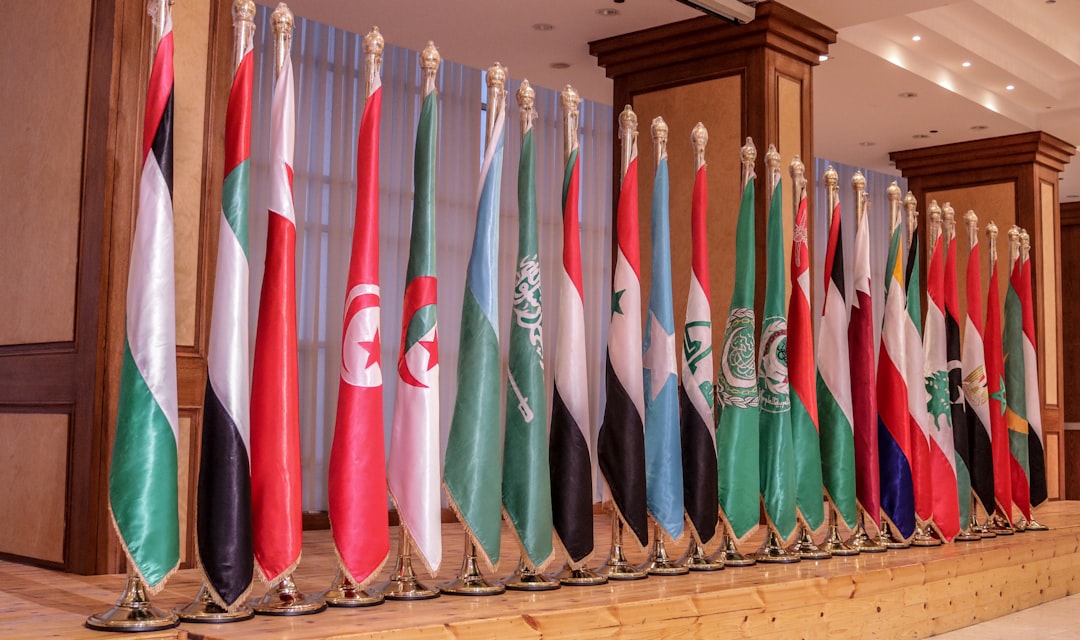

Moldova's parliament voted to withdraw from the Commonwealth of Independent States, the Vladimir Putin-led alliance that has bound former Soviet republics to Moscow for three decades.
The move - approved on Wednesday by Chișinău's legislature - marks the most decisive step yet in Moldova's pivot from Russian influence toward Brussels. It follows President Maia Sandu's re-election last year on a pro-European platform and the country's ongoing EU accession negotiations.
For those keeping track of post-Soviet realignments: this is Moldova walking out of the club. The CIS, established in 1991 as the Soviet Union collapsed, was meant to preserve economic and security ties among former republics. In practice, it became a vehicle for Russian influence - one that Moldova has steadily disentangled from since the war in Ukraine began.
The decision carries weight beyond symbolism. Moldova already suspended its participation in CIS agreements in 2022 and has been methodically cutting ties with Moscow-led structures. Wednesday's vote formalizes what was already reality: Chișinău is done with Moscow's orbit.
This matters in London, Lagos, and Los Angeles because it's part of a broader pattern. Ukraine left the CIS in 2018. Georgia departed in 2009 after Russia's invasion. The alliance that once represented 12 former Soviet states is increasingly a rump organization of Russia, Belarus, and Central Asian autocracies.
Moldova's path mirrors the Baltic states' trajectory in the 1990s and early 2000s - parliamentary democracy, EU integration, NATO aspirations. The difference is timing: Moldova is doing this while Russian forces sit 30 miles from its border in occupied , the breakaway region that hosts Russian troops.