
A Minnesota state judge took the extraordinary step of holding a federal government attorney in civil contempt Wednesday, marking the first such confrontation between state and federal courts since the Trump administration took office and escalated immigration enforcement operations.
The contempt finding, in a case involving immigration detentions, represents a test of how far state courts can go in challenging federal authority when they believe constitutional rights are being violated. It also highlights Minnesota's role as a focal point of resistance to federal immigration policies.
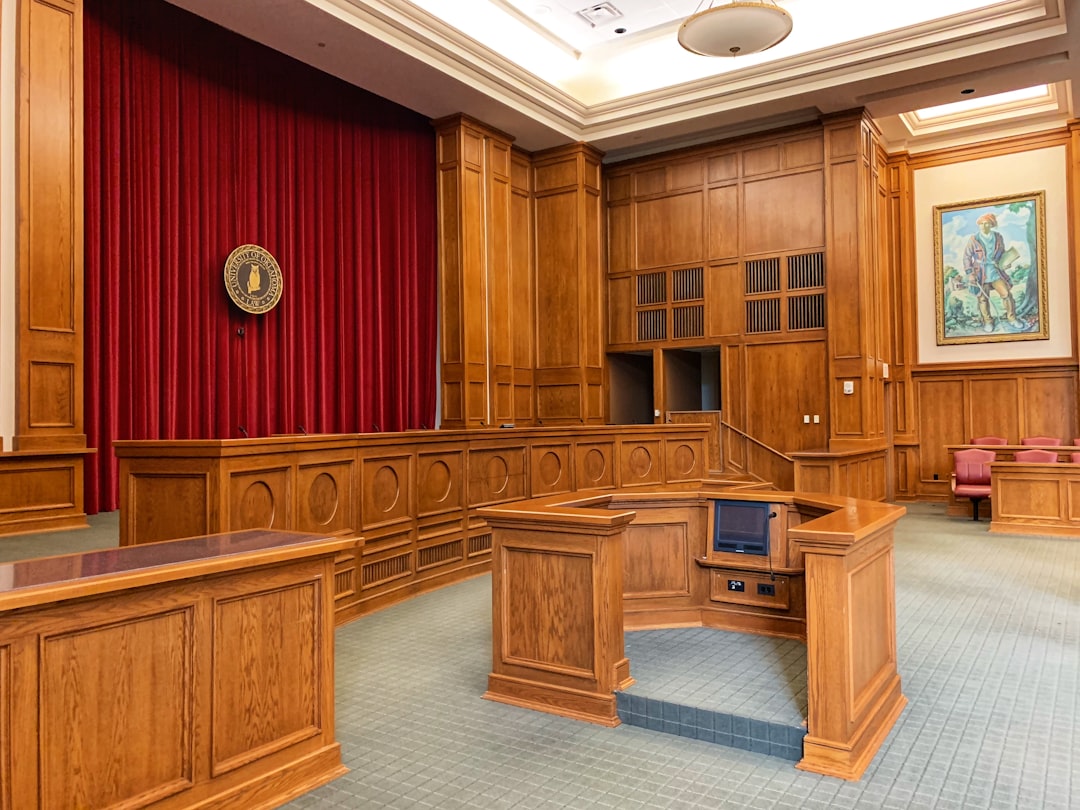
Judge Sara Grewing of Hennepin County District Court ruled that a Justice Department attorney had violated a previous court order by failing to provide required information about individuals detained by Immigration and Customs Enforcement. The judge ordered the attorney to comply with the order or face potential sanctions.
"The court's authority to enforce its orders applies to all parties, including the federal government," Judge Grewing wrote in her ruling. The decision came in a habeas corpus case brought on behalf of detainees who argued they were being held without proper legal process.
Legal scholars say the contempt finding raises complex federalism questions. While federal officials generally enjoy sovereign immunity from state court jurisdiction, that immunity has limits when constitutional rights are at stake.
"This is uncharted territory," said Ilya Somin, a law professor at George Mason University who studies federalism. "State courts have authority to issue habeas corpus writs, even when federal officials are involved. But enforcing those orders against federal attorneys creates a direct conflict between state and federal judicial systems."
Minnesota has emerged as a key battleground over federal immigration enforcement. The state is home to large refugee and immigrant populations, particularly in the Twin Cities area, and state officials have frequently clashed with federal authorities over detention practices and cooperation with ICE.
Governor Tim Walz has limited state law enforcement cooperation with federal immigration authorities, and the state legislature has considered "sanctuary state" legislation. These policies have made Minnesota a target for increased federal enforcement activity.
The contempt ruling stems from a case where detainees alleged they were being held in violation of their due process rights. The state court ordered federal authorities to produce information about the legal basis for the detentions. When the Justice Department attorney failed to comply, citing federal policy, the judge found him in contempt.
"What you're seeing is a collision between two legal principles," explained Stephen Vladeck, a constitutional law professor at Georgetown University. "On one hand, state courts have clear authority to protect constitutional rights through habeas petitions. On the other, federal officials claim they can't be compelled to comply with state court orders."
The administration has argued that immigration enforcement is a purely federal matter and that state courts lack jurisdiction to interfere. But civil liberties advocates counter that constitutional protections—including the right to challenge detention—apply regardless of immigration status.
As Americans like to say, "all politics is local"—even in the nation's capital. But in Minnesota, that principle has particular resonance. The state's tradition of progressive politics and its large immigrant population have made it a laboratory for testing the limits of state resistance to federal policy.
The Justice Department has not indicated whether it will appeal the contempt finding or comply with the court's order. A spokesperson said the department was "reviewing the ruling" but declined further comment.
Legal experts expect the case to proceed through the appellate system, potentially reaching the U.S. Supreme Court. The outcome could have significant implications for how state courts can check federal power when constitutional rights are allegedly violated.
"This isn't just about immigration," said Nancy Morawetz, a professor at New York University School of Law who specializes in immigration and constitutional law. "It's about whether state courts retain any meaningful ability to enforce constitutional protections when the federal government is the alleged violator."
For now, the standoff in Minnesota represents the clearest example yet of how the administration's aggressive approach to immigration enforcement is creating constitutional conflicts that the courts will need to resolve.