
The escalating conflict in the Middle East will drive U.S. inflation above 4 percent this year, according to new projections from the Organisation for Economic Co-operation and Development, threatening to derail the Federal Reserve's efforts to bring price growth back to its 2 percent target.
The OECD's revised forecast, released Wednesday, marks a sharp departure from earlier predictions that had inflation continuing its gradual decline. The organization now expects energy prices to surge as military strikes have damaged between 30 and 40 percent of Gulf region energy infrastructure, creating supply shocks that will ripple through the American economy.
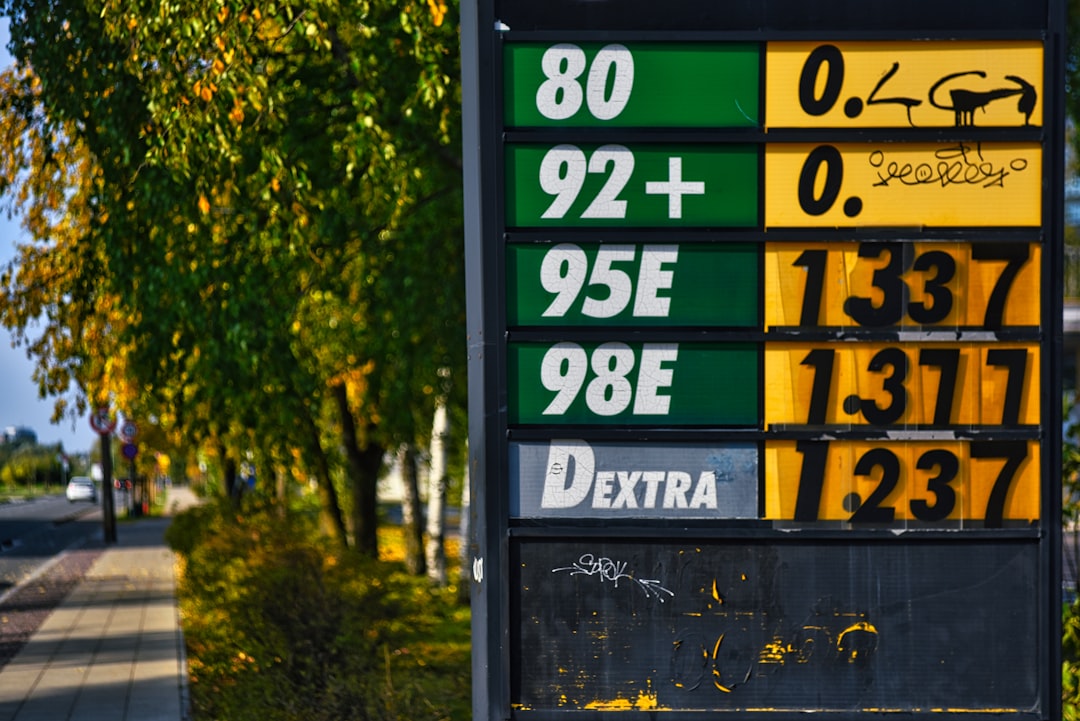
For ordinary Americans, the forecast translates to higher prices at the pump and increased costs for goods that depend on petroleum-based transportation and production. Gasoline prices, which had been moderating after peaks in 2022 and 2023, are expected to rise sharply in coming weeks as global oil markets adjust to reduced supply from the Persian Gulf.
"The economics are straightforward—less supply, same demand, higher prices," said Laurence Boone, the OECD's chief economist, in presenting the updated projections. "But the real-world impact varies dramatically depending on where you live and how you make your living."
Rural Americans and those in sprawling Sunbelt metropolitan areas like Phoenix, Houston, and Atlanta face particularly acute exposure to rising fuel costs. In states like Wyoming and Montana, where average commute distances exceed 30 miles, transportation costs consume a larger share of household budgets than in dense urban centers with extensive public transit.
The agricultural sector also confronts compounding pressures. Farmers in Iowa, , and already dealing with elevated fertilizer costs—many petroleum-derived—now face the prospect of further increases that could squeeze margins during planting season. These higher input costs eventually translate to food price inflation affecting all Americans.