
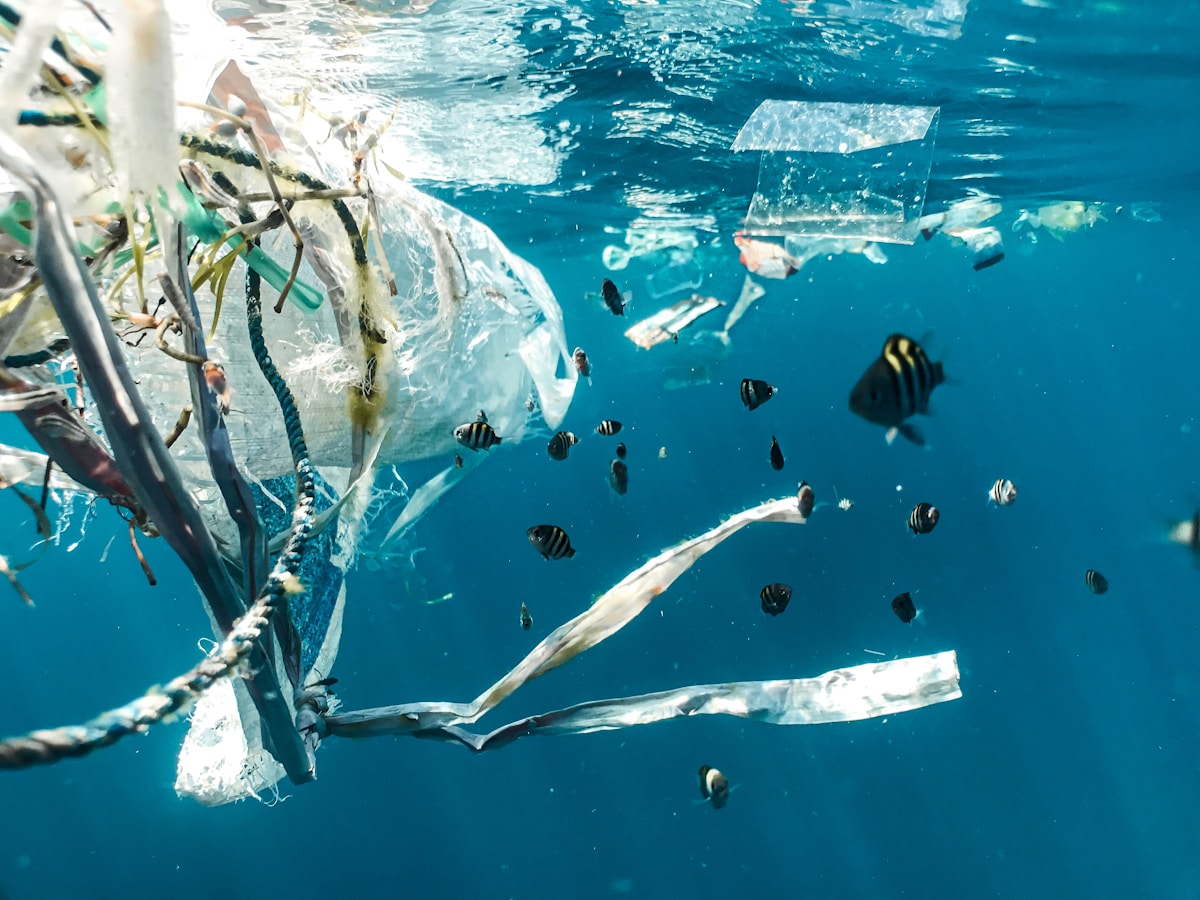
Microplastic particles have been detected in 90% of prostate cancer tumors, according to groundbreaking research that draws the most direct line yet between environmental pollution and human disease. The findings, published this week, mark a critical threshold in understanding how pervasive plastic contamination has become within human tissue.
Researchers analyzed tissue samples from prostate cancer patients and discovered that nine out of ten tumors contained measurable concentrations of microplastic particles, with polyethylene and polypropylene—the most common plastics in packaging and consumer products—representing the majority of contamination. The study did not establish a causal relationship between microplastics and cancer development, but the staggering prevalence of contamination raises urgent questions about cumulative exposure effects.
"We are finding microplastics in places we never imagined," said the study's lead researcher, who has spent years tracking plastic pollution in marine ecosystems before turning to human health. "The 90% contamination rate is far beyond what we expected. This is no longer just an environmental problem. This is a human health emergency."
Microplastics—particles smaller than five millimeters—enter the human body through food, water, and air. Previous research has documented their presence in human blood, lungs, and placentas. This latest study suggests they are accumulating in diseased tissue at rates that demand immediate policy attention.
In climate policy, as across environmental challenges, urgency must meet solutions—science demands action, but despair achieves nothing. The microplastics finding demonstrates how pollution transcends borders and timelines, embedding itself in human biology over decades of industrial production.
Public health experts are calling for accelerated research into the health effects of chronic microplastic exposure, particularly inflammation and cellular disruption. Environmental justice advocates point out that marginalized communities near industrial sites and waste facilities face disproportionate exposure through contaminated water and air.
Policy responses remain fragmented. The European Union has proposed restrictions on intentionally added microplastics in cosmetics and detergents, but the bulk of contamination comes from the breakdown of larger plastic items. The United States has no federal microplastics regulation, leaving states to act independently.
For individuals concerned about exposure, experts recommend reducing single-use plastics, filtering drinking water, and supporting circular economy initiatives. But systemic change requires industrial transformation. "We cannot recycle our way out of this," noted one environmental scientist. "We need to redesign production systems to eliminate plastic waste at the source."
The prostate cancer study adds to mounting evidence that the global plastic crisis is not merely littering oceans and landscapes, but fundamentally altering human physiology. With global plastic production projected to triple by 2060 without intervention, the window for action is narrowing.
As researchers continue mapping microplastic contamination across human organs, the conversation is shifting from whether plastic pollution harms human health to how quickly societies can phase out the materials driving it. The 90% contamination rate in this study suggests that delay is no longer an option.