
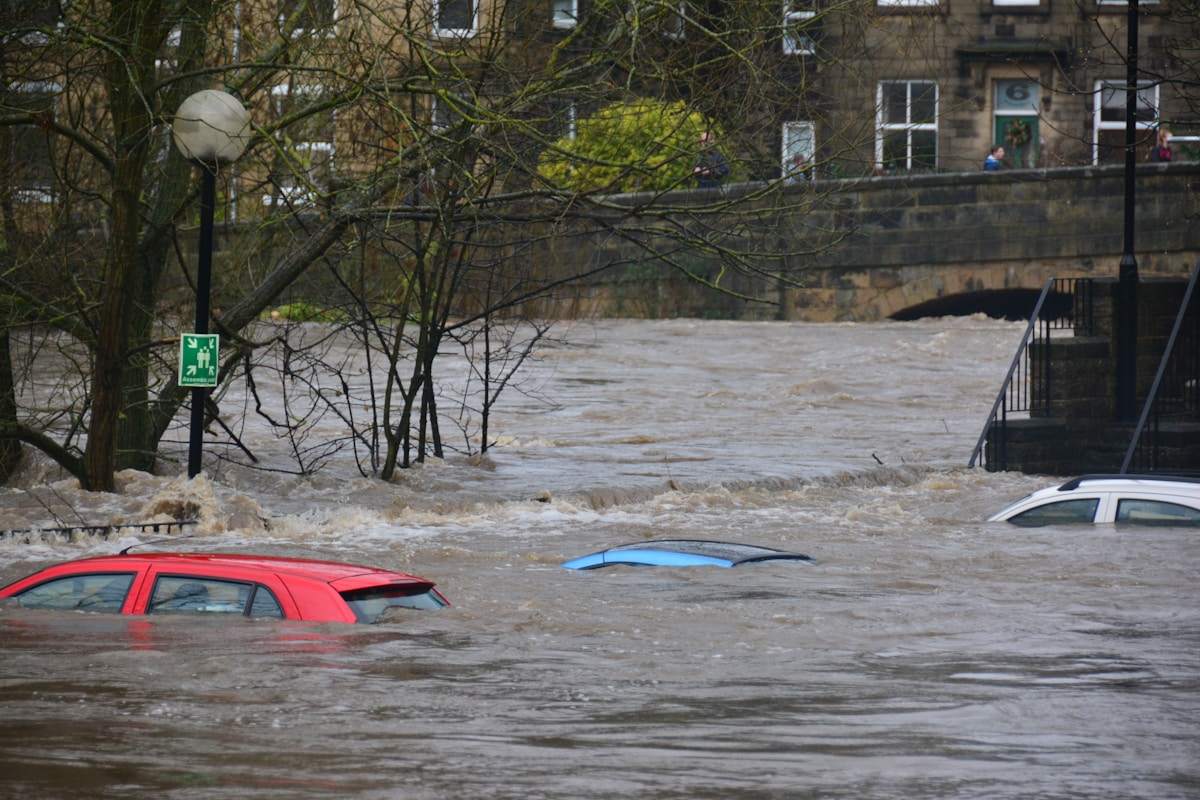
Devastating floods across Michigan represent not isolated weather events but the manifestation of climate patterns scientists predict will intensify throughout the Great Lakes region, challenging the narrative that these states offer refuge from climate change impacts.
The flooding, affecting communities across the state, reflects precipitation patterns increasingly characterized by extreme rainfall events overwhelming infrastructure designed for historical climate conditions. Climate scientists emphasize that Michigan and neighboring Great Lakes states face fundamentally altered hydrological cycles as global temperatures rise.
The "climate haven" narrative positioning Michigan, Wisconsin, Minnesota, and other northern states as refuges from climate disruption overlooks mounting evidence that the region confronts distinct climate vulnerabilities including extreme precipitation, flooding, and infrastructure stress.
In climate policy, as across environmental challenges, urgency must meet solutions—science demands action, but despair achieves nothing. The Michigan floods demonstrate that climate adaptation requires immediate infrastructure investment and planning changes, not merely aspirational carbon reduction targets.
Warming atmospheric temperatures enable air to hold more moisture, resulting in more intense precipitation events when storms occur. The Great Lakes themselves contribute to regional weather patterns, with warming lake temperatures potentially amplifying snowfall and rainfall extremes through enhanced evaporation.
Michigan's aging stormwater infrastructure, designed based on precipitation patterns from decades past, cannot handle the volume and intensity of contemporary rainfall events. Cities across the state face billions of dollars in necessary upgrades to drainage systems, retention basins, and flood management infrastructure.
The flooding impacts extend beyond immediate property damage to include contamination risks as combined sewer systems overflow, agricultural losses from saturated soils, and long-term economic consequences for affected communities. Lower-income neighborhoods typically face disproportionate flooding impacts due to infrastructure inequality.