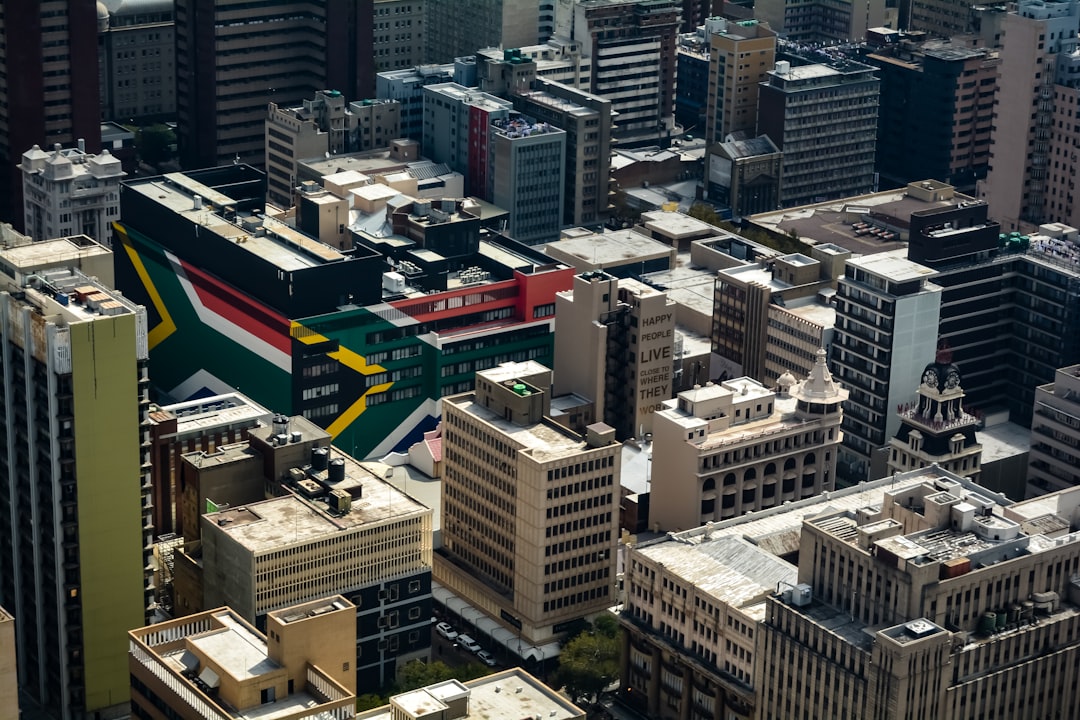
South Africa's urban crisis deepened this week as revelations emerged that at least 16 top municipal executives across eight metros share more than R44 million annually—while only half their cities achieve clean audits and residents endure collapsing infrastructure.
The figures, reported by Sunday Times, reveal executive pay increases averaging 26% since 2022—far exceeding the 3.3% public-sector guidance and outpacing inflation—even as cities struggle to provide basic services.
In Cape Town and Ekurhuleni, city managers each earn R4.8 million annually, though both metros achieved clean audits. eThekwini's city manager collects R3.8 million, including a R794,000 car allowance, while Johannesburg and Tshwane pay their municipal managers R3.3 million each.
Yet the disconnect between executive compensation and municipal performance remains stark. Tshwane and Mangaung face "significant doubt about their ability to continue operating fully as a going concern," according to audit findings. Mangaung spends 81% of revenue on employee costs, starving service delivery of resources.
Residents across the country's urban centers endure the consequences: pothole-ridden roads, broken traffic lights, extended water and electricity outages despite rising utility bills. The infrastructure decay represents a governance failure three decades after apartheid's end, when millions placed hope in democratic local government to deliver dignity through services.
Cooperative Governance Minister Hlabisa defended the salaries, stating: "If you want competent people, you must remunerate them sufficiently." Yet HR expert Dr. Harlan Cloete noted that performance management remains weak, observing that "in many municipalities there is simply no commitment" to addressing auditor recommendations.
The salary revelations illuminate a broader pattern in South Africa's post-apartheid political economy: well-compensated officials presiding over deteriorating institutions, with historically marginalized communities bearing the burden of service failures. The crisis echoes the "state capture" era under former President Jacob Zuma, when patronage networks prioritized personal enrichment over public service.
In South Africa, as across post-conflict societies, the journey from apartheid to true equality requires generations—and constant vigilance. Local government represents democracy's most tangible promise: clean water, functioning sewers, reliable electricity, passable roads. When executives collect millions while those systems crumble, the democratic compact frays.
Civil society organizations and independent media continue holding officials accountable—a vital democratic achievement despite persistent challenges. Yet residents' patience wears thin. Johannesburg, Tshwane, and other metros face qualified audits even as executives enjoy generous compensation packages, raising fundamental questions about who benefits from municipal governance.
The crisis demands more than audit reforms or executive pay freezes. It requires confronting why South African institutions struggle to translate democratic ideals into effective service delivery, particularly for communities the apartheid state systematically excluded. Until that reckoning occurs, the gap between executive salaries and citizen suffering will persist—undermining trust in democratic governance itself.