

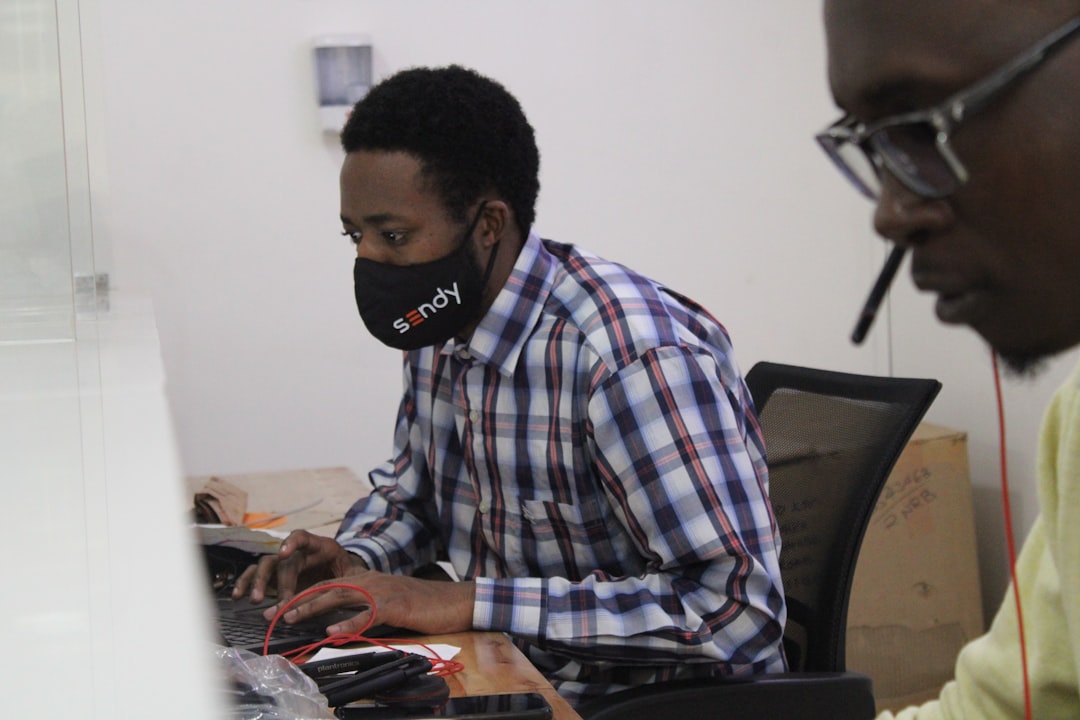
Meta terminated its contract with Kenyan outsourcing firm Sama earlier this year, resulting in the loss of over 1,000 jobs after content moderators spoke publicly about disturbing privacy violations they witnessed through the company's Ray-Ban smart glasses.
The workers, based in Nairobi, were responsible for reviewing content flagged through Meta's various platforms. According to reports, moderators observed people being recorded in intimate and invasive situations without their knowledge via the smart glasses equipped with cameras, raising serious questions about the technology's potential for abuse.
"We saw things that made it clear people had no idea they were being filmed," one former moderator told the BBC. "People in their homes, in bathrooms, in private moments. It was disturbing."
When several moderators broke their non-disclosure agreements to alert media about the privacy violations, Meta moved swiftly. The tech giant ended its relationship with Sama, effectively silencing the workers while avoiding direct accountability for the surveillance concerns they raised.
The mass dismissal highlights the precarious position of African tech workers in global supply chains. Kenya has positioned itself as a hub for digital outsourcing, with companies like Meta, Google, and Microsoft contracting local firms to handle content moderation, data labeling, and AI training. These jobs, while providing employment, often come with psychological trauma from reviewing disturbing content, strict confidentiality requirements, and little job security.
Dr. Nanjala Nyabola, a Nairobi-based political analyst and tech researcher, noted the pattern. "Big Tech treats workers as disposable. They outsource the most traumatic work, impose silence through NDAs, then cut ties the moment workers speak up about legitimate concerns."

