Meta just turned surveillance into a fashion accessory, and seven million people bought in.
The company sold 7 million units of its AI-powered smart glasses in 2025, which sounds like a success story until you realize what it actually means for everyone else. These aren't just camera glasses—though that's concerning enough. They're equipped with AI that can recognize faces, read text, and process the world around you in real time, all while looking like normal eyewear.
Here's the uncomfortable truth: you can't opt out of being recorded by someone else's glasses. Unlike a phone camera, which is obvious when pointed at you, smart glasses are deliberately designed to be unobtrusive. California and several other states have laws requiring consent for recording conversations, but those were written for a world where recording devices were visible. Smart glasses change that calculus entirely.
The privacy implications aren't theoretical anymore. Seven million devices means these glasses are becoming common enough that you might encounter them at the coffee shop, the gym, or walking down the street. And because they look like regular glasses, you won't know when you're being recorded, analyzed, or added to someone's AI-processed memory bank.
Meta has built in some safeguards—there's a small LED that lights up when recording, for instance. But in bright sunlight or from certain angles, that LED is effectively invisible. The company is betting that the convenience and novelty of AI-powered vision will outweigh the creeping sense that privacy in public spaces is becoming a relic of the past.
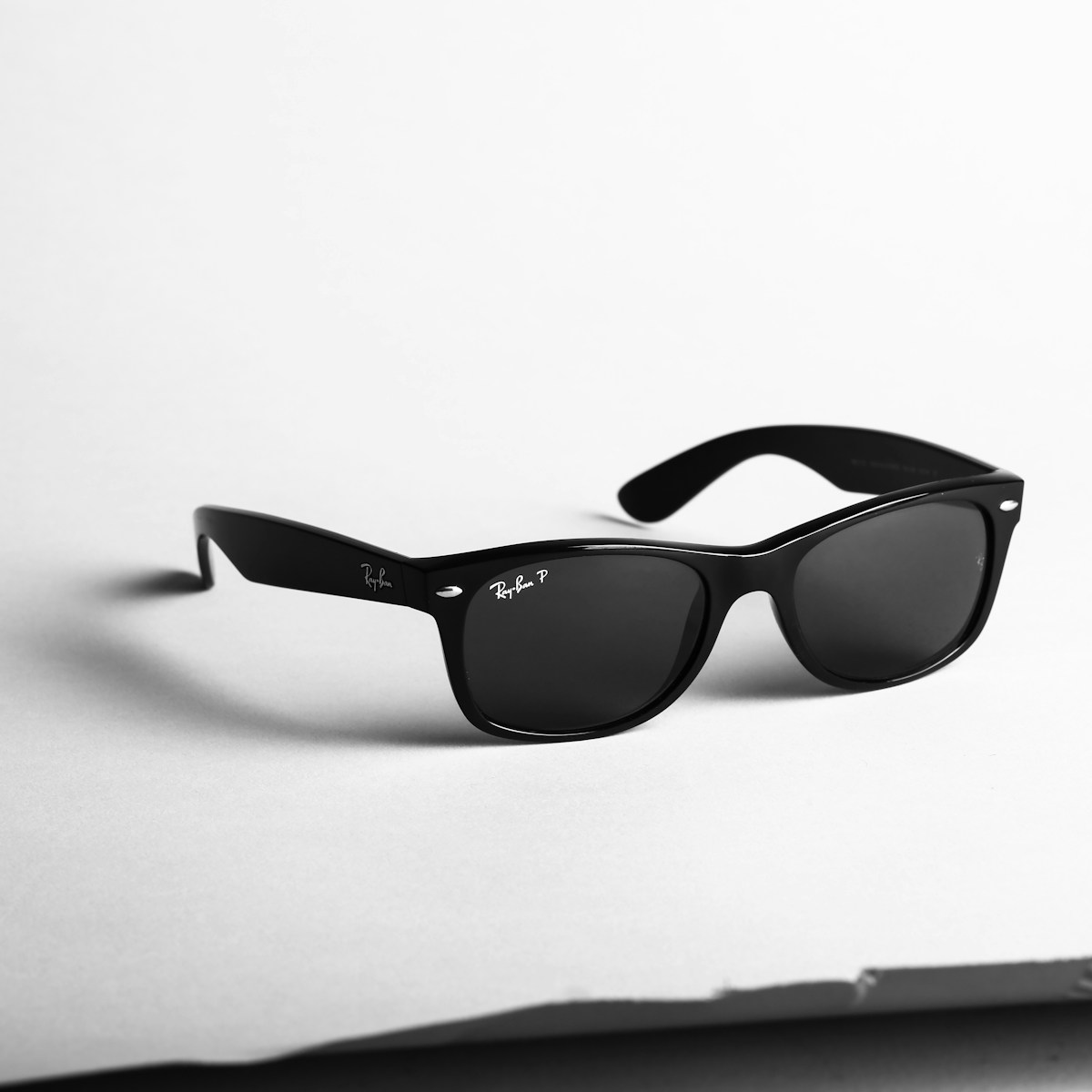
The technology is genuinely impressive. The Ray-Ban partnership makes them look good, and the AI features are legitimately useful. But seven million units sold means we're past the early adopter phase. This isn't a gadget experiment anymore—it's becoming normalized infrastructure for how some people experience the world. Whether the rest of us consented to being part of that experiment is a question nobody asked.