
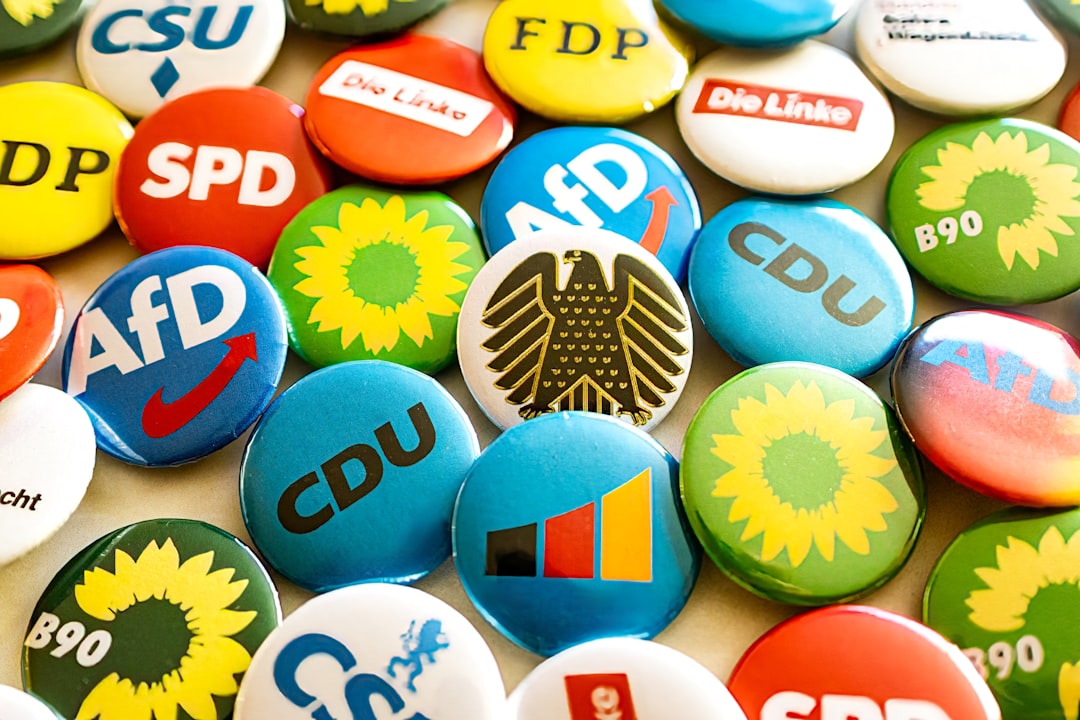
Friedrich Merz delivered a blunt verdict on Germany's liberal party following state elections in Baden-Württemberg, declaring the Free Democratic Party "politically dead" and signaling a fundamental shift in coalition mathematics ahead of future federal elections.
The CDU chairman's assessment came after the FDP failed to clear the five percent threshold in the southwestern state, continuing a pattern of electoral collapse that has seen the liberals ejected from multiple state parliaments. For Merz, who is positioning himself as the likely Christian Democratic candidate for chancellor, the calculation is clear—future coalition governments will need to be built without relying on the traditional liberal partner that has historically bridged center-right and center-left coalitions.
In Germany, as elsewhere in Europe, consensus takes time—but once built, it lasts. Yet the rapid disintegration of the FDP's electoral position has accelerated the timeline for fundamental realignment in German coalition politics. The party that once served as kingmaker, joining governments with both the CDU and SPD over decades, now finds itself struggling to maintain parliamentary representation at any level.
The Baden-Württemberg results expose the particular vulnerability of the FDP in an era of polarized politics. Squeezed between the Greens' appeal to urban professionals and the CDU's economic competence messaging, the liberals have lost the distinct political space they once occupied. Merz's willingness to publicly write off the FDP as a coalition partner represents a strategic calculation that the CDU can win federal elections and govern without them.
That calculation was reinforced by another development from Baden-Württemberg. Cem Özdemir, the Green minister-president candidate and former federal agriculture minister, explicitly rejected power-sharing arrangements with the CDU despite his party's strong performance. The statement reveals Green confidence that they can either lead governments independently in states where they perform well or extract better terms from potential coalition partners by demonstrating they are not desperate for office.