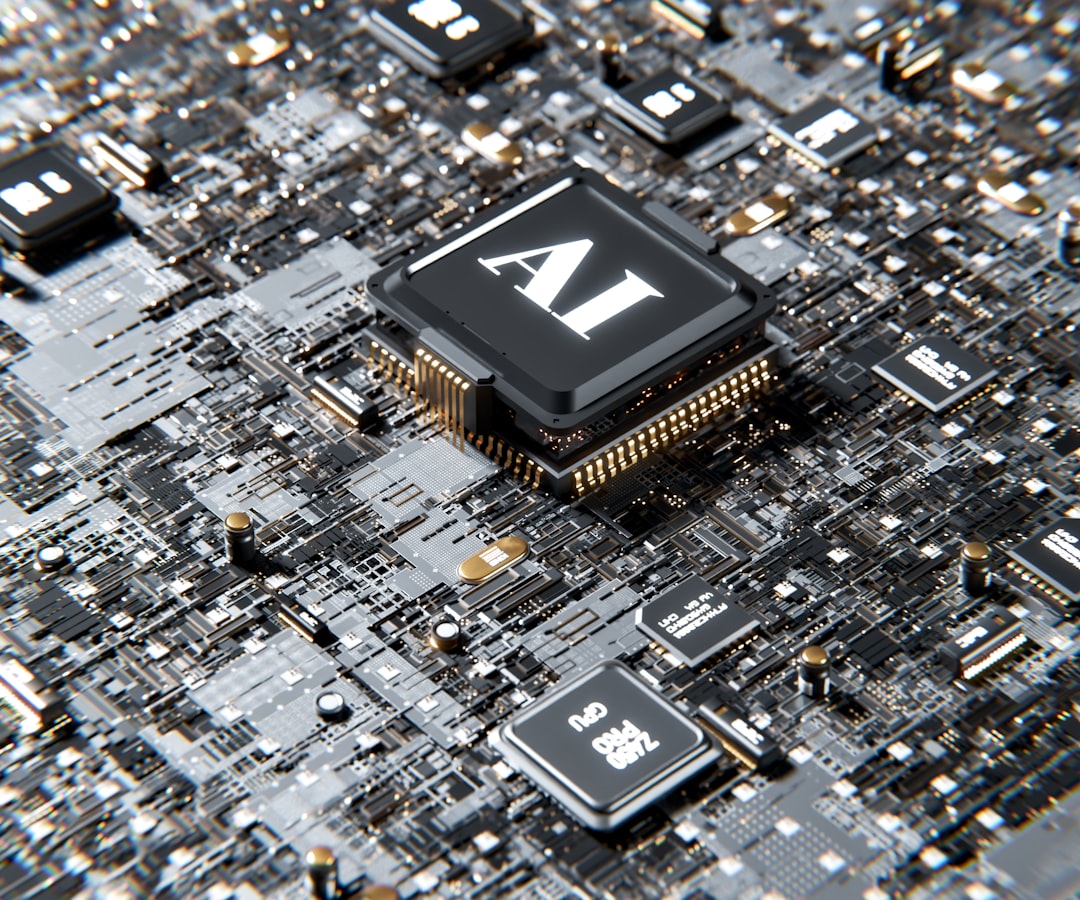

While everyone's been fixated on Nvidia and the AI chip wars, there's a bigger bottleneck quietly forming: memory. According to Gartner, memory chip revenue is expected to triple in 2026, with DRAM prices alone jumping 125%. If you've been wondering why semiconductor stocks keep rallying, this is your answer.
The problem is straightforward: AI models are massive data hogs. Training GPT-5 or running inference on the latest models requires not just powerful processors, but enormous amounts of fast memory. We're talking high-bandwidth memory (HBM) that sits right next to AI accelerators, feeding them data at lightning speed. And right now, there isn't enough of it to go around.
Gartner is calling this a "storage crisis" that will extend into 2027. Banks and hedge funds are already repricing memory companies like Micron, SK Hynix, and Samsung. These aren't the flashy names that get all the attention, but they're the picks-and-shovels of the AI boom—the companies that supply the infrastructure everyone else depends on.
Here's why this matters for your portfolio: semiconductor revenue overall is forecast to grow 64% in 2026, but memory is outpacing everything else. That's because every data center being built right now needs exponentially more memory capacity than the last generation. Hyperscalers like Amazon, Microsoft, and Google are in a race to secure supply, which is pushing prices higher.
The bearish take is that memory is cyclical—prices spike, companies overinvest, and then there's a glut. That's historically been true. But the AI buildout is different in scale. We're not talking about incremental upgrades to existing infrastructure. We're talking about building entirely new data centers from scratch, at a pace we've never seen before.
If you're looking for exposure, the obvious plays are Micron and SK Hynix. Samsung is trickier because memory is only one piece of their business. There are also ETFs that focus on the semiconductor supply chain, though you'll want to check if they're overweight on equipment makers versus memory manufacturers.