
There's a version of fame that looks like success from the outside but feels like suffocation from within. Matthew McConaughey lived it, and then he ran.
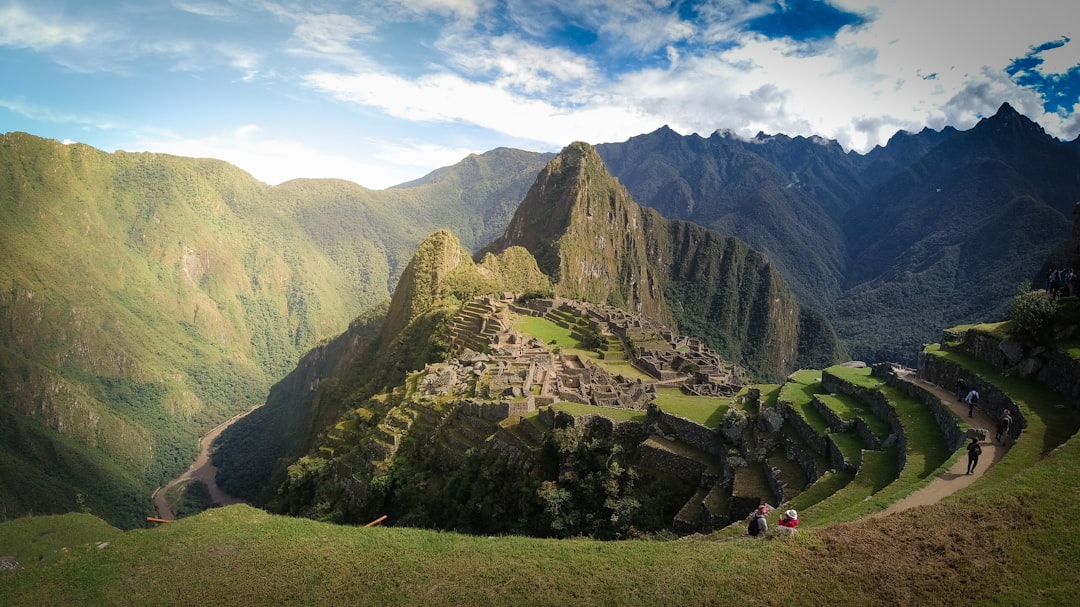
For 22 days, the actor who'd become synonymous with rom-coms and shirtless beach scenes disappeared to Peru. No electricity. No entourage. No one calling him anything but Mateo. It wasn't a vacation. It was an exorcism.
According to Variety, McConaughey reached a breaking point where the machinery of Hollywood celebrity had become unbearable. He wasn't just famous; he was trapped in a very specific kind of fame—the guy who gets paid millions to take his shirt off and charm his way through formulaic movies.
What makes this story fascinating isn't the exile itself. Plenty of actors have fled Los Angeles for enlightenment or perspective or whatever they're calling it this year. What matters is what happened next: McConaughey came back and systematically dismantled his rom-com persona, refusing those roles until Hollywood saw him differently.
It worked. Dallas Buyers Club, True Detective, Interstellar—the so-called "McConaissance" wasn't an accident. It was the result of an actor willing to blow up his career to save it. Not many people have that kind of courage, or frankly, that kind of financial cushion.
But here's what strikes me about the Peru story: it took going to a place without electricity, without the infrastructure of modern celebrity, for McConaughey to remember who he was before Hollywood told him who to be. That's not just a personal crisis. It's a damning indictment of an industry that commodifies identity until the person wearing it can't breathe.